Thai PBS Faces Funding Shift and State Audit Scrutiny
Thai PBS is under scrutiny over a proposal to shift its funding from alcohol and tobacco taxes to the regular state budget and an ongoing audit by the State Audit Office. Public feedback showed 80‑90% opposition to the funding change, prompting Deputy Prime Minister Anutin Charnvirakul to call for a careful review. The outcome will test the balance between media independence and accountability in the use of public funds.
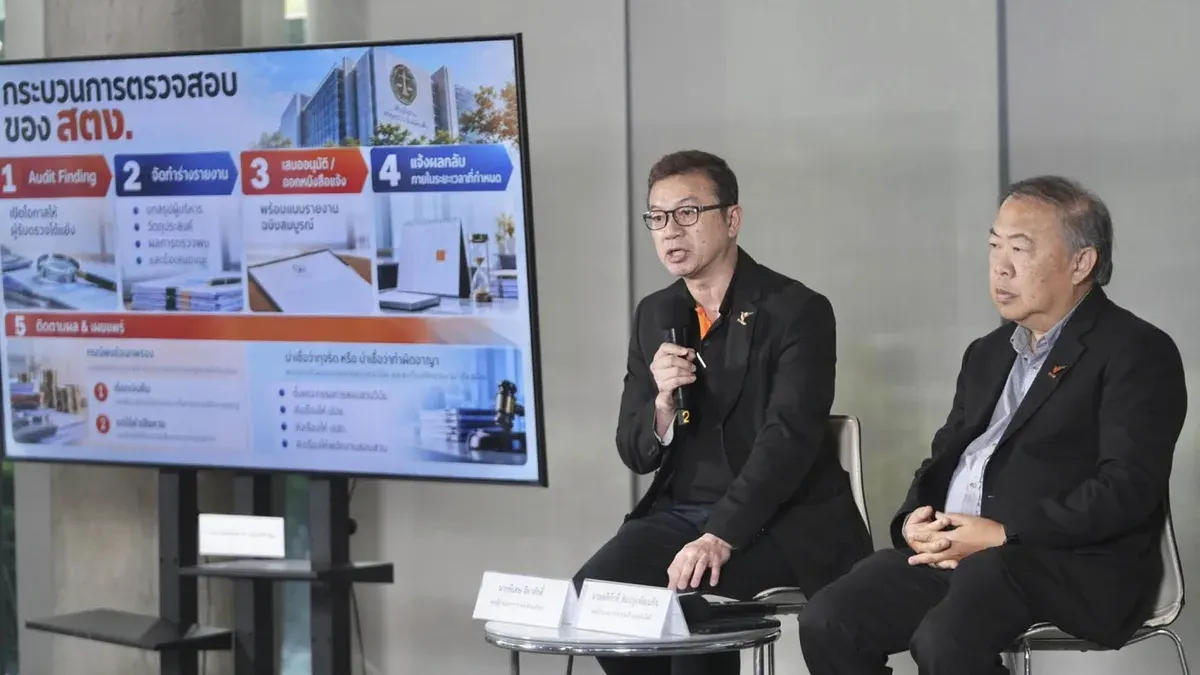
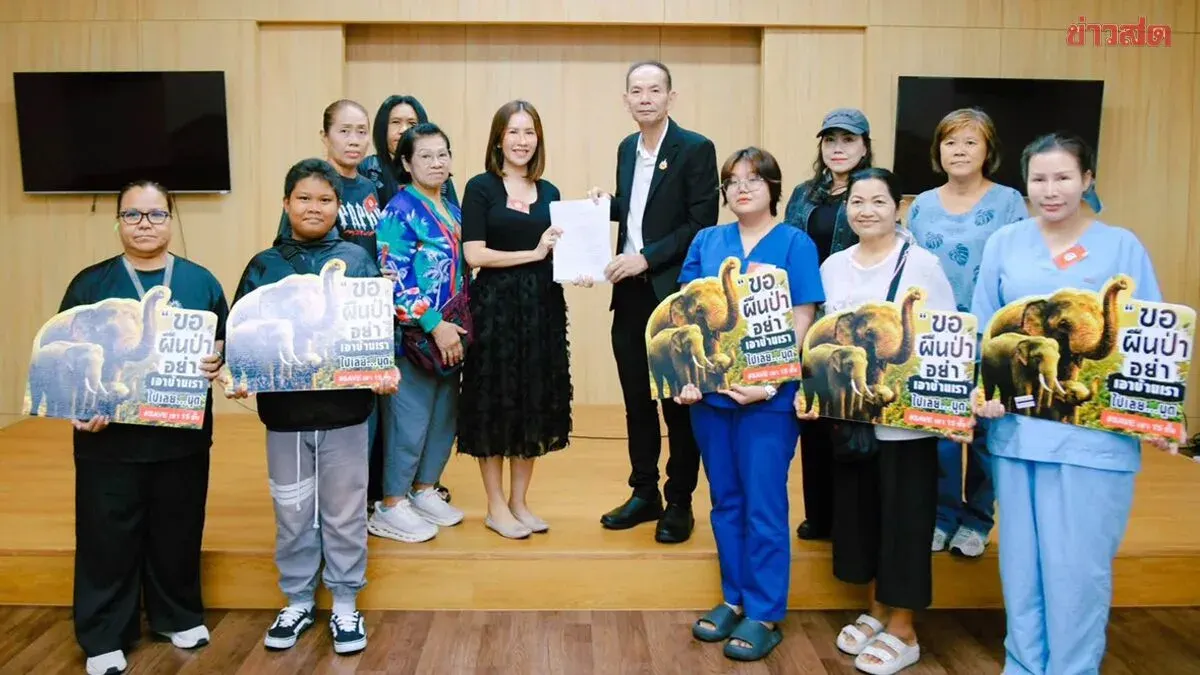
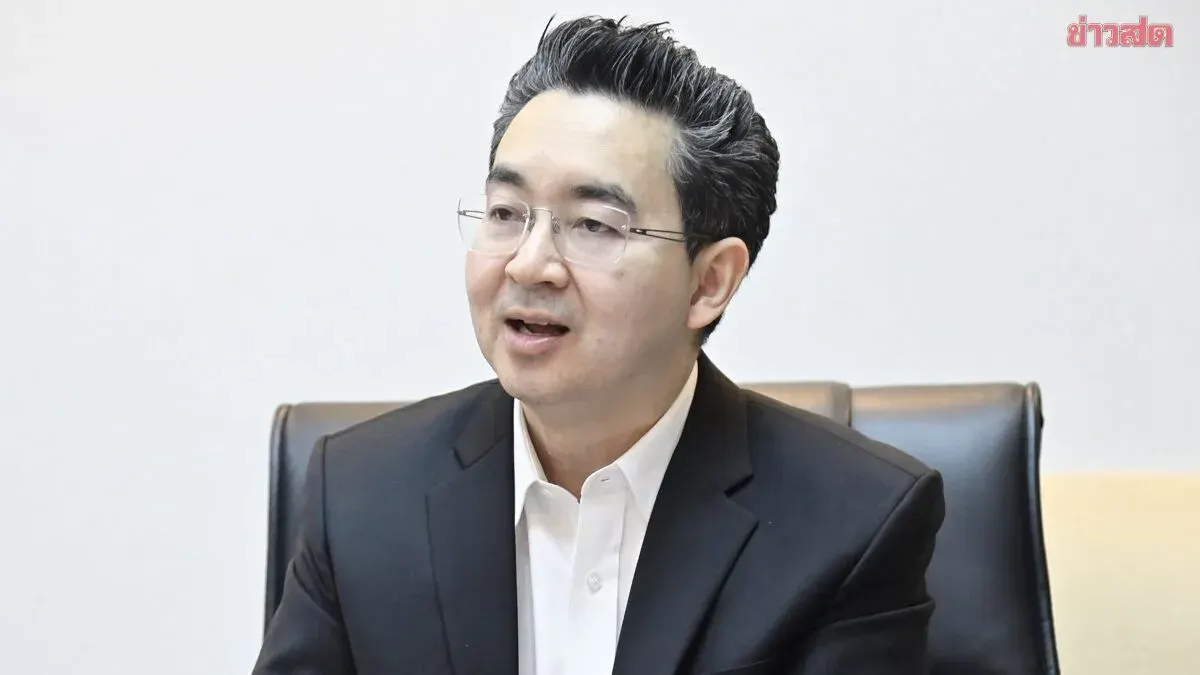
Thai PBS is facing two key turning points: a proposal to amend the funding law and an examination of budget expenditures by the State Audit Office (SAGO), both affecting public trust in public media that must be both independent and transparent. The first proposal involves amending the funding law for the four S. groups—Thai Health Promotion Foundation, Thai PBS, the Elderly Fund, and the National Sports Development Fund—shifting financing from direct alcohol and tobacco excise taxes to requesting regular state budget allocations. Proponents argue the change would increase parliamentary oversight, foster fiscal discipline, and improve budget value. Opponents warn that relying on government funding could allow political pressure, especially on Thai PBS, which has a duty to check state power. The heart of the matter is balancing public fund oversight with media independence guarantees. If media becomes too dependent on the state, questions arise about its ability to fully monitor those in power. However, independence should not mean immunity from scrutiny. Public feedback on the four draft bills ended Oct. 14, showing 80–90% opposition to changing funding sources, prompting Deputy Prime Minister Anutin Charnvirakul to say the law and process must be examined carefully, reflecting that political leaders must heed public opinion. While the feedback is not legally binding, it is crucial information the ruling coalition cannot ignore. Although the funding law proposal shows signs of slowing from political forces, Thai PBS still faces SAGO’s audit, which has questioned payments to private producers, host fees, use of central vehicles, and performance evaluation systems. Thai PBS has responded, noting that audit statements should await completion, be evidence‑based, allow all parties to explain, and be released fairly so society sees all facts, not just one side. Consequently, the public must watch how SAGO’s audit concludes, who bears responsibility, and whether Thai PBS can truly remedy shortcomings—because a strong public media needs both political independence and transparency in using public funds.