SIAM TERRA Plan Targets 30,000-40,000 Baht Monthly Farmer Income by 2030
The Joint Public-Private Committee has launched the SIAM TERRA initiative to transform Thailand's agriculture sector through science, technology, and innovation. The program targets raising average farmer monthly income from 7,000 baht to 30,000–40,000 baht by 2030 via four flagships covering smart farming, biotech, future foods, and biomanufacturing. Officials stressed measuring success by actual farmer welfare improvements rather than export figures alone.
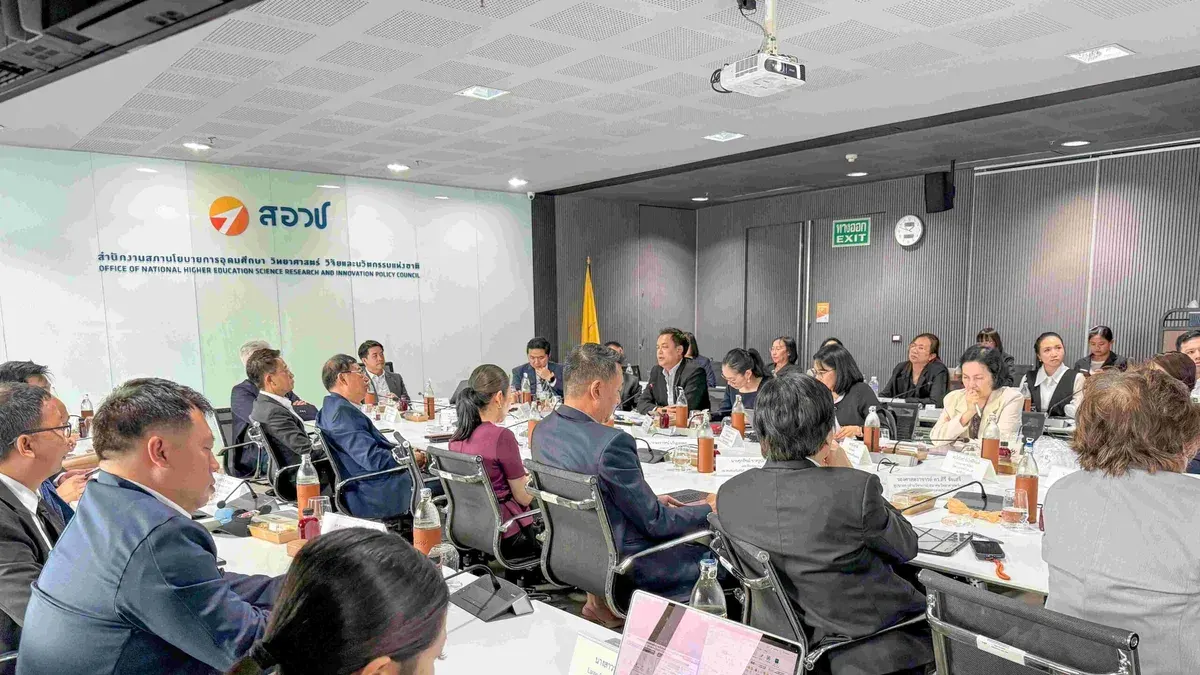
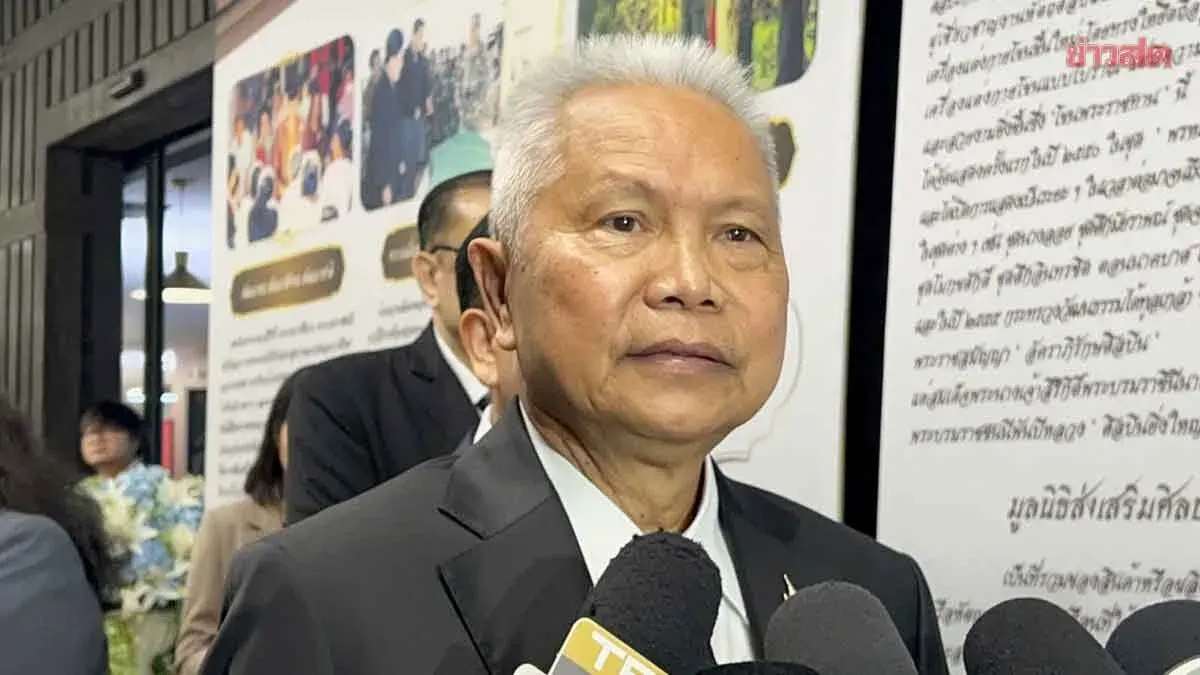
On November 26, 2026, Dr. Thiraphon Thanomsakayuth, chair of the High-Value Agriculture and Food Working Group under the Joint Public-Private Committee for Economic Problem Solving, chaired the group's first meeting at the NXPO office to set the direction for the SIAM TERRA initiative, which aims to elevate Thailand's agriculture and food sector into a new economic engine.
Deputy Prime Minister and Minister of Higher Education, Science, Research and Innovation Prof. Dr. Yotchanan Wongsawat opened the meeting via video, stressing that SIAM TERRA will be a crucial mechanism to bring science, technology, and innovation to transform agriculture and food into a driver of the Thai economy toward a 5% average annual growth target. He noted that success must be measured not only by increased export value but by genuine increases in farmer income and happiness.
Dr. Thiraphon highlighted structural challenges in Thai agriculture: 74% of farmers carry debt, the average farmer age is nearly 60, land holdings are fragmented, and water management remains limited. While agriculture employs 28% of the national workforce, it contributes only 9% of GDP, necessitating an urgent shift from labor-intensive methods to higher value and productivity.
The SIAM TERRA framework comprises four flagships: Smart Agriculture to raise productivity, cut costs, and lift farmer incomes; Precision Biotech to develop strains, boost yields, and address climate change; High-Value Future Food to create high-value foods meeting global health and market demands; and High-Value Biomanufacturing to upgrade bio-industry, biopharmaceuticals, and vaccines, reducing reliance on foreign technology.
The initiative targets raising average farmer net income from about 7,000 baht to 30,000–40,000 baht per month by 2030, alongside developing human capital across the value chain — from farmers and new-generation entrepreneurs to researchers, engineers, experts, and agribusiness leaders.
Dr. Thiraphon emphasized an "Impact over Activity" principle, prioritizing results over activities, quality over quantity of projects, and real change for farmers with clear commercial success metrics, while engaging the private sector, researchers, and youth.
Advisor Isara Wongkusolkit proposed a practical, lesson-driven approach focusing on productivity gains alongside quality upgrades and international benchmarking, with development paths suited to both large-scale and smallholder farms. He suggested using entrepreneurship mechanisms to group farmers, improving management efficiency and delivering tangible benefits to smallholders, with clear operating methods defined before budget allocation.
Advisor Sarawut Yuwitaya urged accelerating the transformation of Thai agricultural practices through knowledge, science, and technology, with the private sector playing a role in data management and production planning.