Sirikanya Demands Transparency on Thailand-US Trade Deal
Prachachon Party MP Sirikanya Tansakul demanded transparency regarding the Thailand-US Agreement on Reciprocal Trade signed by Prime Minister Anutin Charnvirakul and President Donald Trump. She criticized the lack of published details compared to previous US trade deals, questioned whether the November 2025 negotiating framework still applies given reduced US leverage, and raised concerns about undisclosed terms affecting pork imports and an apparent secrecy agreement that binds Thai officials but not Trump.
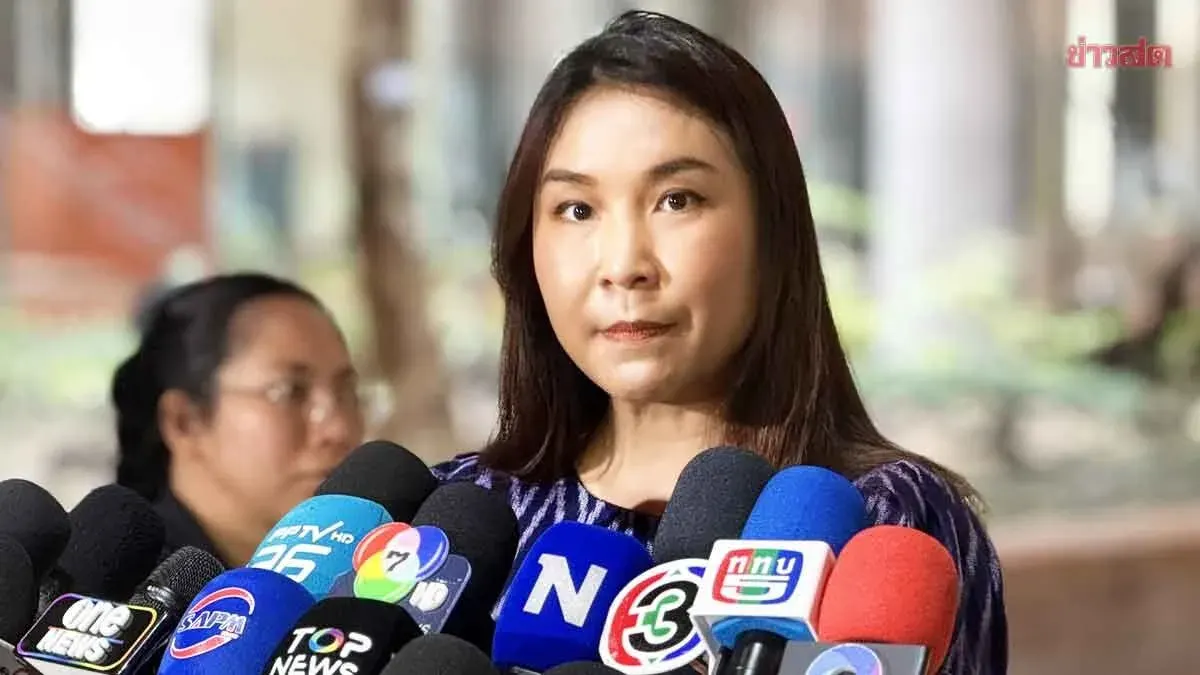
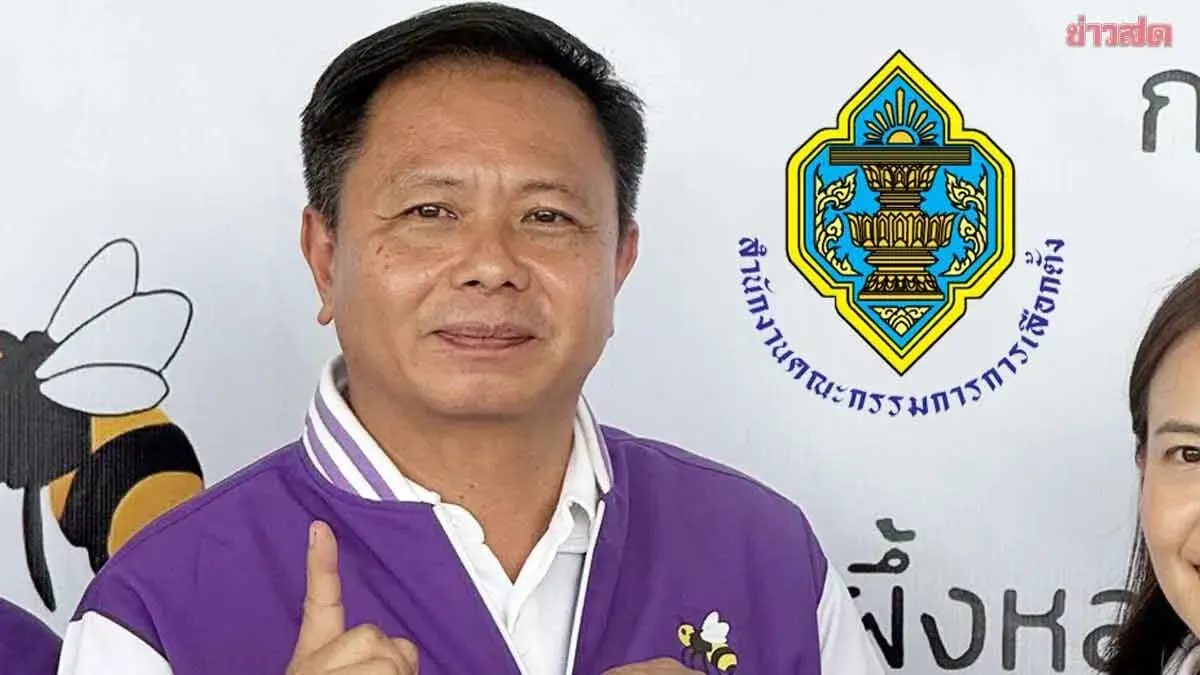
Speaking at Parliament on November 18, 2026, Prachachon Party list MP and deputy leader Sirikanya Tansakul described the ART signing as bizarre for both Thailand and the United States. Typically, after signing an agreement, key details are published on the White House website, as seen with US deals with Malaysia and Bangladesh. In Thailand's case, however, almost no details have appeared on either government's website.
Sirikanya pointed out that the November 2025 framework signed by Anutin contained extensive specifics: Thailand would cut import tariffs to zero on 99 items while the US would maintain a 19% tariff rate. It also covered non-tariff barriers in automotive, pharmaceuticals, digital industry, and telecommunications, with precise figures for increased US purchases including corn gluten meal and soybeans for animal feed. The current announcement mentions none of these details from the Thai side.
She further noted Trump's post-signing claim that Thailand would eliminate all tariffs, which the Thai government later denied, raising doubts about the credibility of Trump's statements. Sirikanya asked whether the November framework remains under the US International Emergency Economic Powers Act (IEEPA) that Trump invoked to impose high tariffs globally, given that US negotiating power has significantly decreased with only a few IEEPA provisions remaining. She demanded to know what was added or removed from the previous framework and what final tariff rate the US will apply to Thailand.
Sirikanya also highlighted industries not mentioned, particularly pork imports that concern the public, with no regulatory framework discussed beyond poultry. She questioned why an apparent non-disclosure agreement prevents Thai officials from releasing details while Trump freely discloses inaccurate information, contrasting this with former Deputy Prime Minister and Finance Minister Pichai Chunhavajira's transparency during his tenure as chief negotiator. The silence this time raises concerns about government preparedness, especially since Parliament previously established a committee that found...