Foreign Affairs Committee Demands Transparency on Thai-US Trade Deal
Thailand's Foreign Affairs Committee is demanding the government release the full product list for the newly signed Thai-US Agreement on Reciprocal Trade, warning it could cost the state 7-8 billion baht in lost revenue. MPs from both opposition and coalition parties say the Prime Minister signed the joint statement in Manila without disclosing which goods would face tariff cuts, leaving farmers and SMEs unable to prepare for the impact.
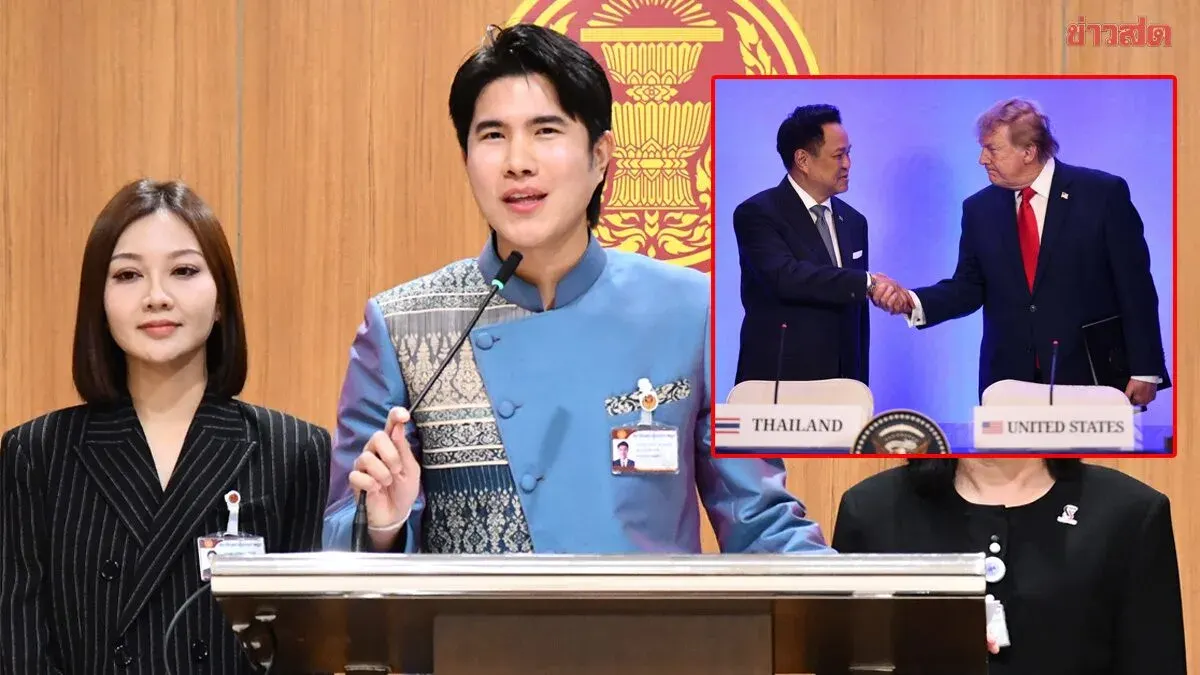
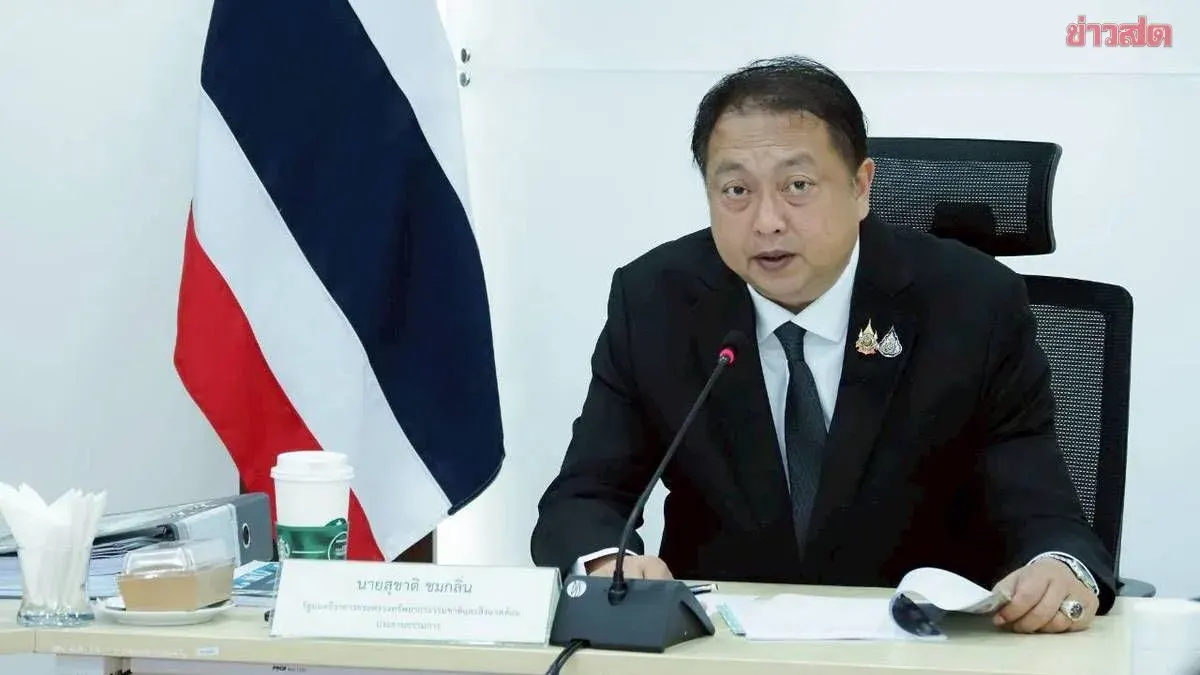
The Foreign Affairs Committee is urging the government to disclose the product list for the Thai-US trade agreement, fearing a 7-8 billion baht revenue loss that would hit farmers and SMEs. On November 18, 2026, at Parliament, Wasawat Puangprasri, Move Forward Party MP and Deputy Chair of the Foreign Affairs Committee, announced the committee's decision after inviting relevant agencies — the Foreign, Commerce, Finance, and Agriculture ministries plus three private-sector institutes — to report on progress and impact of the Thai-US trade deal.
Wasawat said the committee resolved to summon agencies following the Prime Minister's signing of a Joint Statement on the Agreement on Reciprocal Trade (ART) in Manila yesterday. Today, the Commerce Ministry, Agriculture Ministry, and Customs Department reported that signing the agreement could cost Thailand nearly 7-8 billion baht in lost revenue — their own assessment, which carries significant weight.
Regarding stakeholders, the Swine Raisers Association still lacks clarity on red meat impacts, while agricultural products like corn, feed corn, and ethanol remain uncertain. Former President Donald Trump has stated Thailand would not collect taxes on ethanol, yet only the Customs Department has clarified this point. The Excise Department says it is still studying which items would generate tax revenue, with no clear answers from the Agriculture Ministry, Commerce Ministry, or Department of Foreign Trade. This means when the Prime Minister signed, no detailed product list specifying affected goods existed, so the committee demands the government publish the product list and explain the tax implications.
Korkiat Kosung-sak, Pheu Thai Party MP for Bangkok and committee spokesperson, said the substance of the joint statement signed by the Prime Minister and the US President has not been adequately disclosed to the public or Parliament. Both the tariff rates Thailand must forfeit and the number of products for tariff reduction remain unclear. While the agreement may be classified, the government can reveal key points at an appropriate level without harming negotiations, as farmers and SMEs need advance information to adapt.
Korkiat added that Thai exports to the US have surged significantly. The government should clarify the true trade balance after excluding goods transshipped under rules of origin, and whether the agreement's benefits outweigh Thailand's concessions. However, the government's duty extends beyond foreign negotiations to explaining the facts to domestic citizens.