Thai-US Trade Talks Progress, Protecting 2.37 Trillion Baht Export Market
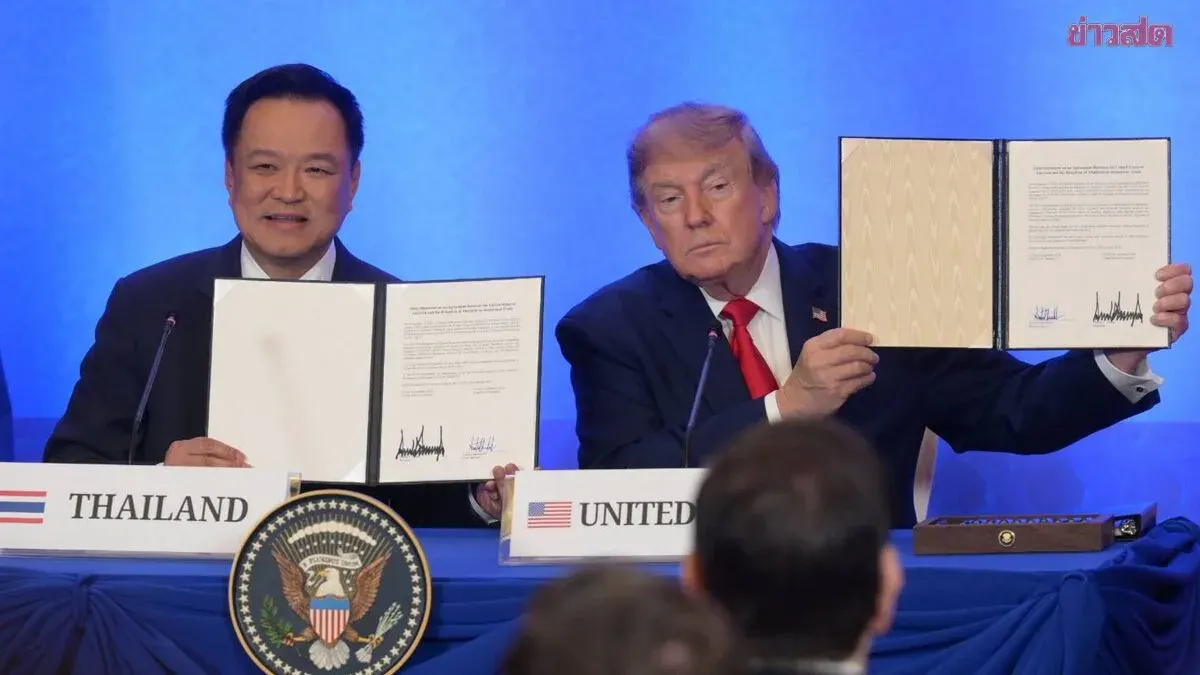
Thailand and the United States signed a Joint Statement in Manila advancing negotiations on an Agreement on Reciprocal Trade (ART), signaling positive momentum for Thai exports worth 2.37 trillion baht annually. The Thai Chamber of Commerce welcomed the progress, saying it provides crucial trade certainty for businesses and protects competitiveness against a potential 19% reciprocal tariff. Finalizing the agreement still requires legal review, cabinet approval, and parliamentary ratification in Thailand.
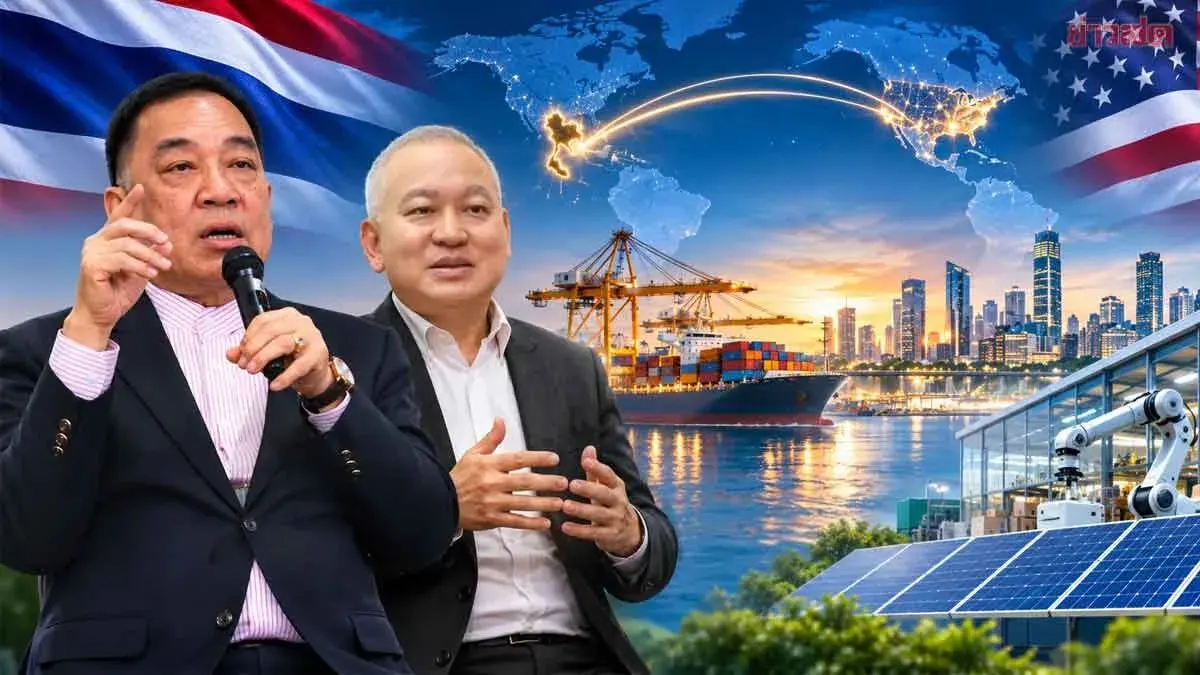
The Thai Chamber of Commerce sees the Joint Statement signed by Prime Minister Anutin Charnvirakul and President Donald Trump in Manila on November 17, 2026 as a positive signal for the Thai economy, following consensus on key points in Agreement on Reciprocal Trade (ART) negotiations. Chairman Poj Aramwattananont said for the private sector, keeping Thai goods competitive in the US market is critical because it involves many Thai businesses and workers; higher tariffs than rival nations could affect orders, production, and long-term investment. The negotiation progress and shared conclusions provide trade certainty for Thai entrepreneurs.
Dr. Chanin Chalisarapong, Vice Chairman and head of the International Trade Negotiation Committee, noted the US is Thailand's top export market, valued at about 2.37 trillion baht in 2025 and expected to reach 3 trillion baht in 2026, supporting roughly 2 million direct and indirect jobs. The 19% reciprocal tariff framework from earlier talks aligns with regional competitors, reducing the risk of Thai products losing cost advantage and allowing businesses to plan production, exports, and investment with more confidence. Details of the final agreement must still be monitored.
Dr. Chanin emphasized the Joint Statement is not the final ART; both countries must draft and verify legal details before domestic ratification. In Thailand this includes cabinet review, stakeholder consultation, and parliamentary process per the constitution. The Chamber stands ready to provide business input, especially on agricultural and industrial market access, to ensure mutual benefit while safeguarding Thai entrepreneurs and farmers. Chairman Poj added the Chamber prioritizes balanced negotiations that protect both export markets and domestic businesses.