Thailand, US Sign Trade Deal Framework; Target 10% Tariff Cut
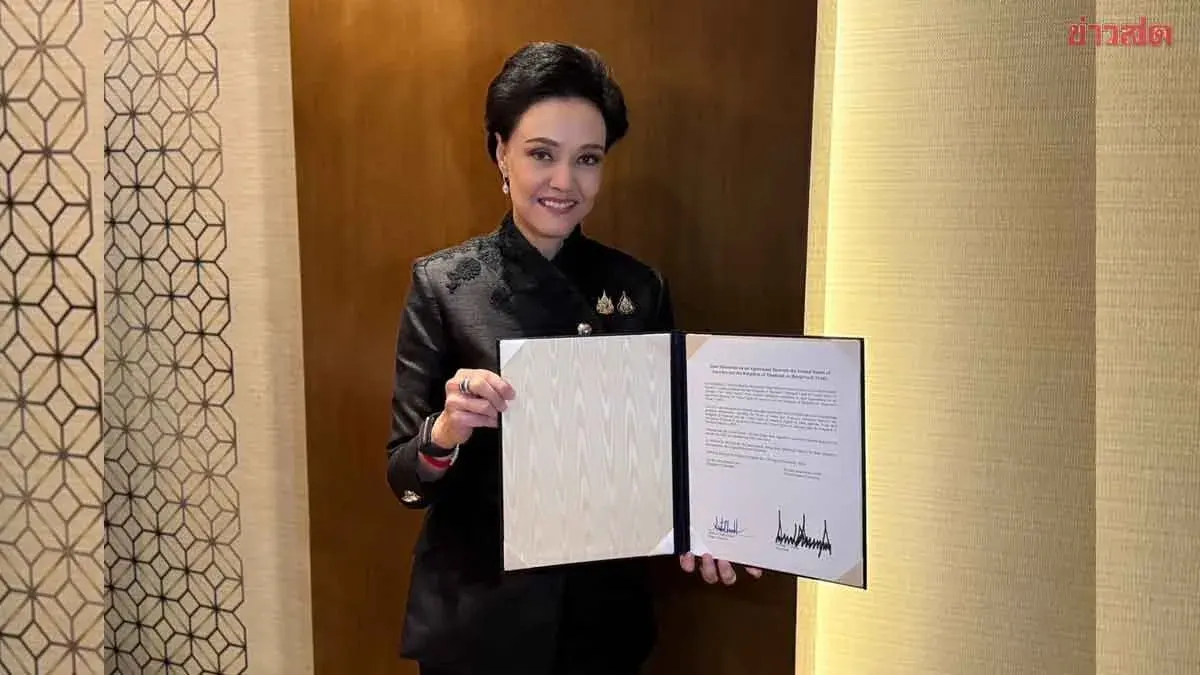
Thailand and the United States have signed a Joint Statement on the Agreement on Reciprocal Trade (ART) in Manila, confirming consensus on the deal's core terms. Deputy PM Supachai Surathamphan said Thailand will now push to cut Section 301 tariffs from 12.5% to 10%, matching regional peers, to protect 2.37 trillion baht in annual exports and 1.25 million linked jobs. Legal scrubbing is the next step before domestic ratification.
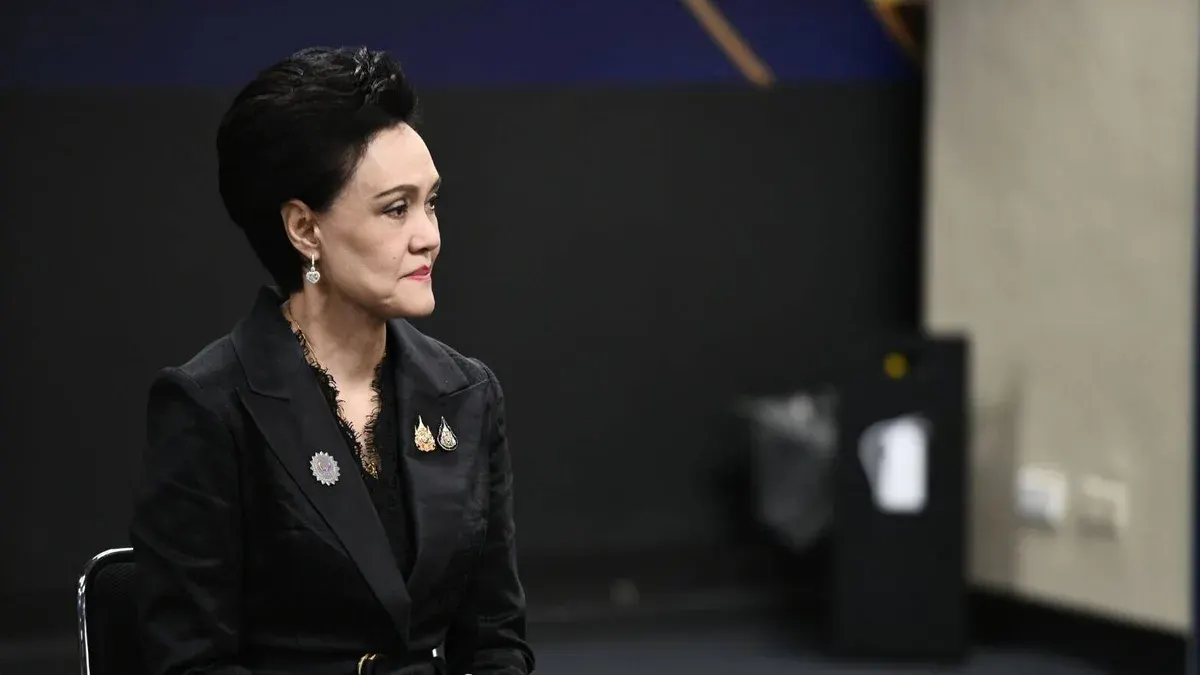
Deputy Prime Minister and Commerce Minister Supachai Surathamphan disclosed that following the signing of the Joint Statement on the Thailand–US Agreement on Reciprocal Trade (ART) in Manila, Philippines, on November 17, 2026, both parties have reached agreement on the substantive terms of the deal. Only legal scrubbing remains before each country begins its internal ratification process.
Thailand took a deliberate approach to negotiations to ensure the terms fall within an acceptable framework and do not create undue impact on farmers, SMEs, industry, exporters, consumers, investment, and domestic employment. "We took time to be certain that what we open complies with our guidelines and framework, and does not cause the country excessive disadvantage. If we had agreed easily, it would have been done last year, but we negotiated until we reached what we consider the optimal point," Supachai said.
The immediate priority is negotiating with the US to lower the Section 301 tariff rate applied to forced-labor allegations from Thailand's current 12.5% to 10%, on par with countries that have already concluded ART agreements such as Cambodia, Indonesia, and Malaysia. The Joint Statement signing gives Thailand standing to argue that, although the full ART text is still being finalized, the two sides have agreed on key principles and Thailand should therefore be treated on par with existing ART partners. "We signed today and we talk right away, because what was agreed is that once we reach consensus on key elements and leaders sign, we request to be considered in the same status as countries that have signed ART. From here we must push to bring it down to 10%," Supachai said.
Supachai noted the US is Thailand's top export market, with 2025 shipments valued at roughly 2.37 trillion baht, supporting an estimated 1.25 million domestic jobs. The agreement therefore provides confidence to exporters, factories, SMEs, and a large workforce. "At minimum we protect the country's number-one export revenue. Both large and small operators trading with America will have more confidence they can continue exporting and remain competitive with other nations."
Opening the market to the US does not mean unconditional liberalization, Supachai stressed. Thailand already has FTAs with ASEAN, Australia, and New Zealand, so additional openings focus on expanding choices for consumers and businesses — particularly goods Thailand does not produce, produces insufficiently, or needs for food and energy security. For products that could affect domestic producers, Thailand can still employ quota limits, import restrictions, safeguard measures, and assess domestic supply, demand, and production capacity before liberalization.
Under the current US tariff structure, some Thai exports are already exempt from additional duties while others remain under Section 301 or Section 232. Thailand therefore retains room to request further exemptions, with details to be disclosed during the legal and public-consultation phases. Next, the legal teams of both countries will proceed with the legal scrubbing of the draft agreement.