Trump Cuts Thailand Forced Labor Tariff to 10% in Trade Deal
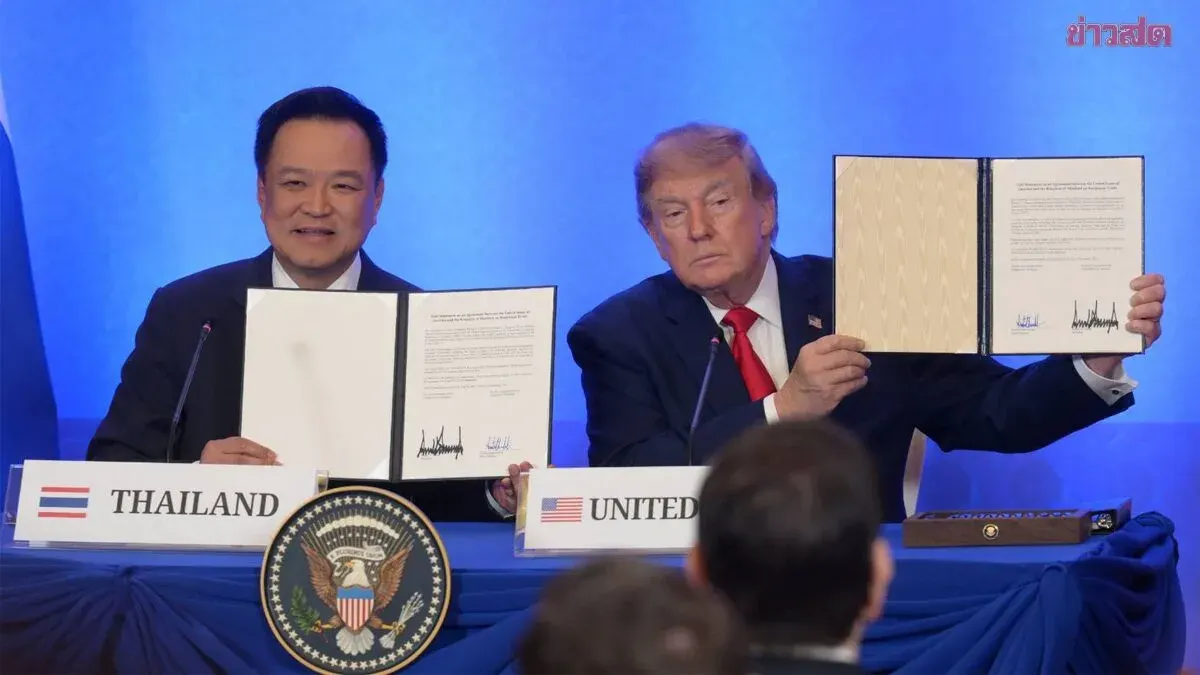
Deputy Prime Minister Supachai Surathammaphan announced that President Trump agreed to cut the US forced labor tariff on Thai goods from 12.5% to 10% after Prime Minister Anutin Charnvirakul and Trump signed a reciprocal trade agreement at the ASEAN-US Special Summit in Manila. The deal grants Thailand the same tariff benefits as other signatories, with the structural excess capacity tariff to be set no higher than regional peers. The full agreement requires cabinet approval, public hearings, and parliamentary ratification before final signing within two months.
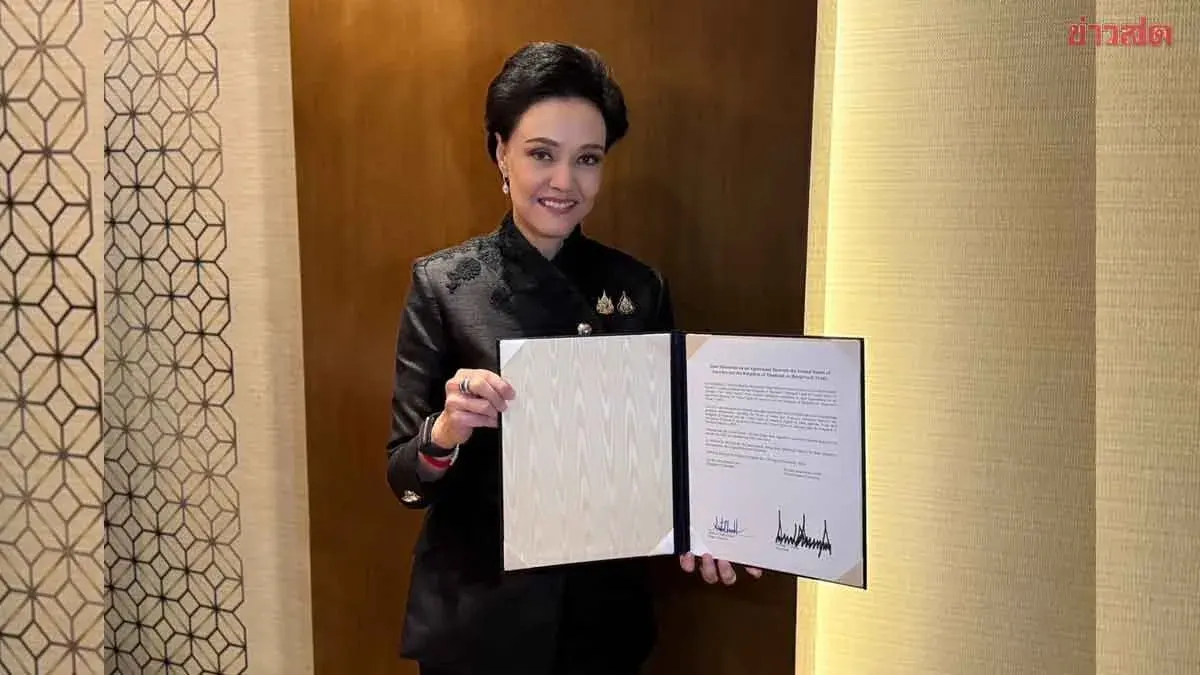
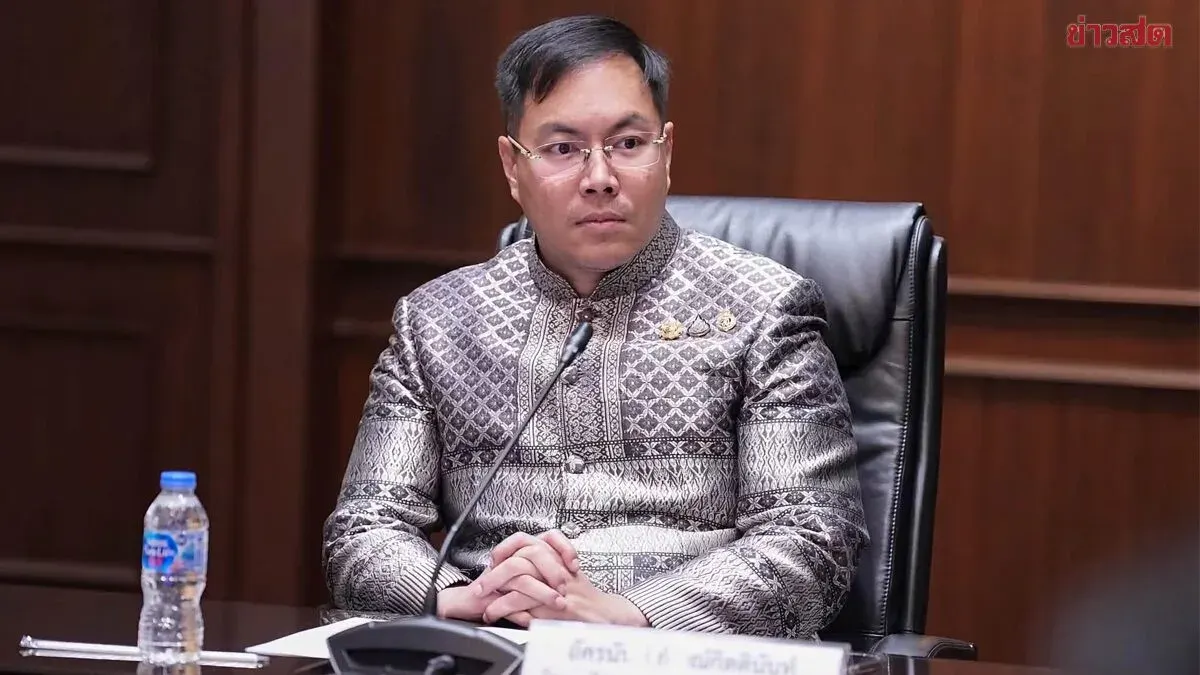
Deputy Prime Minister and Commerce Minister Supachai Surathammaphan held a Zoom press conference for the Ministry of Commerce media at 21:00 Thai time on November 17. This followed Prime Minister Anutin Charnvirakul and US President Donald Trump signing a Joint Statement on an Agreement Between the United States of America and the Kingdom of Thailand on Reciprocal Trade (ART) while attending the ASEAN-US Special Summit in Manila, Philippines.
Supachai stated that after the leaders signed the joint statement, Thailand effectively enters into an ART with the United States. This grants Thailand the same tariff benefits as other ART signatories. Consequently, the Section 301 forced labor tariff previously levied at 12.5% will be reduced to 10%.
Regarding the Section 301 structural excess capacity tariff, where the US is expected to announce investigation results in late December 2026, Thailand will also benefit from this agreement. The US confirmed Thailand will be taxed at a rate no higher than other countries in the same region, though the exact rate cannot yet be disclosed.
"This joint statement signing by the two leaders is equivalent to Thailand having signed an ART with the US," Supachai said. "Therefore, the US will grant Thailand maximum benefits in tariff setting, especially under Section 301 where the forced labor tariff drops to 10%, while the excess capacity tariff to be announced will not exceed regional peers."
Supachai noted the ART negotiations have concluded on all issues. The text is currently undergoing legal scrubbing by the Treaty and Legal Affairs Department of Thailand's Foreign Ministry and US counterparts. It will then require Cabinet approval, though not within this year, followed by public hearings and parliamentary consideration before final signing, expected within two months.
Details of the ART remain classified. The government will disclose them during the public hearing process, confirming Thailand's approach opens markets only for goods it cannot produce or produces insufficiently, based on providing choices for consumers and businesses.