Former Deputy PM Warns Cross-Border Pollution Rotting Thailand
Former Deputy Prime Minister Plodprasop Suraswadi warns that heavy metal pollution from nearly 500 gold mines in Myanmar's Shan State is devastating Chiang Rai's Mae Sai and Ruak Rivers on a scale far worse than the infamous Klity Creek disaster. He dismisses proposed sediment traps as useless and urges the government to declare a severe pollution zone, halt ore imports from Myanmar, negotiate with China, and pursue a 'stop the source' strategy to prevent irreversible damage.

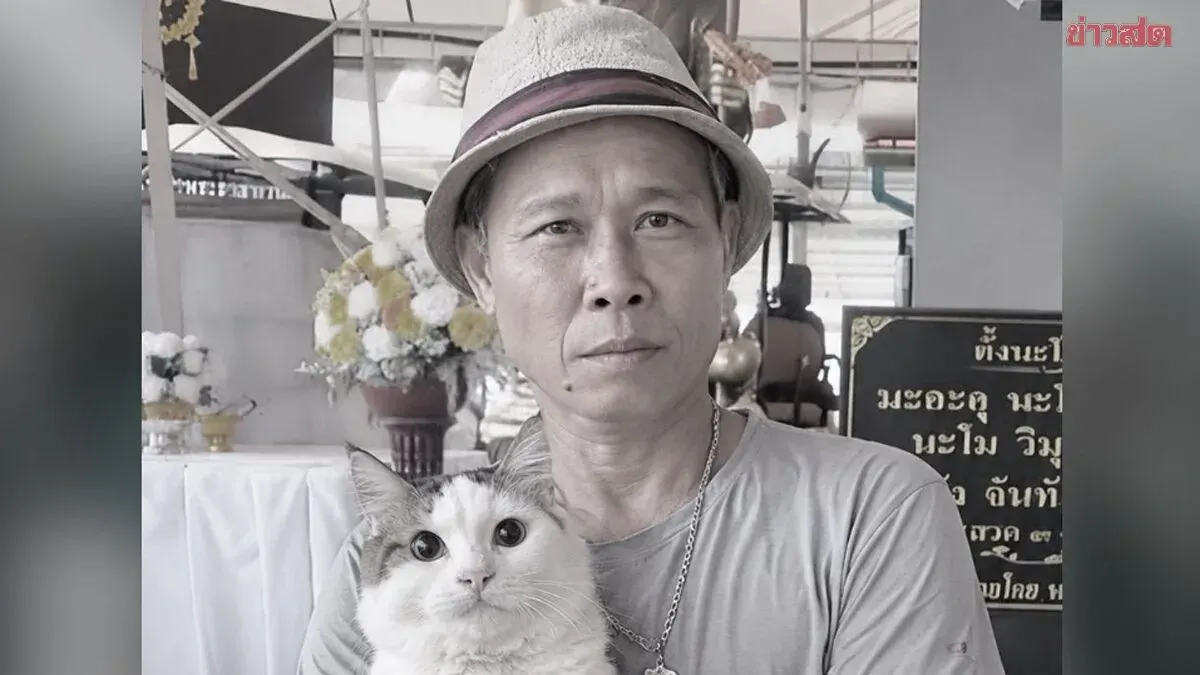
On November 17, 2026, former Permanent Secretary of the Ministry of Natural Resources and Environment and former Deputy Prime Minister Plodprasop Suraswadi posted on Facebook about the pollution crisis in Chiang Rai's rivers, stating, 'Is our home Thailand rotting away?'
As one of Thailand's first environmental scholarship recipients, he recalled the 1998 lead contamination crisis from the Lead Concentrate Company's mining in Klity Creek, Thong Pha Phum District, Kanchanaburi, when he was Director-General of the Royal Forest Department. At that time, fish, vegetables, and water were all contaminated, and 142 Karen villagers had heavy metal levels in their blood far above normal. Subsequent remediation of Klity Creek cost 454 million baht but failed to fix the problem.
Comparing the Klity lead mining to the current heavy metal pollution from gold mining in Myanmar's Shan State, he argues the former was trivial by comparison. The Mae Sai and Ruak Rivers in Chiang Rai are tens of times larger than Klity Creek, with nearly 500 mines operating in Myanmar. He fears this crisis may be beyond repair, calling it a 'disaster' if unsolvable.
Regarding academics' proposal to use sediment traps, he dismisses them as unworkable. Even in tiny, shallow Klity Creek, ten years of effort failed to reduce lead levels. The Mae Sai and Ruak Rivers are larger, deeper, and faster-flowing — traps would catch nothing. Heavy metals like mercury are ultra-fine and suspended; they won't settle. Effective filtration would require massive tanks the size of Sanam Luang, which is impossible.
He offers nine recommendations to the government — essentially his younger colleagues: 1. Declare the polluted area a severe environmental disaster zone under Section 7 of the Environmental Act, accepting the tourism trade-off as there is no alternative. 2. Integrate all environmental agencies under a single command for connected, standardized wastewater operations led by someone with real authority. 3. Assign expert universities with environmental track records to assess and monitor the situation. 4. Establish daily water quality monitoring stations at all critical points and publicly inform residents. 5. Develop deep groundwater supply systems in areas where shallow groundwater is already contaminated. 6. Consider polder dams to protect farmland from annual floods, as data shows over half the pollutants arrive with floodwaters originating from Myanmar. 7. Use trade measures to stop or reduce ore purchases from Myanmar mines, pressuring Chinese companies to improve wastewater treatment standards. 8. Negotiate directly with the Chinese government to oversee their businessmen and prevent them from destroying other countries. 9. End all PR stunts of eating fish, drinking water, or washing faces — they do nothing to improve water quality.
Ultimately, the strategy must be 'stop the source only' for Thailand to be safe.