Thailand Secures US Tariff Cuts While Keeping Trade Surplus
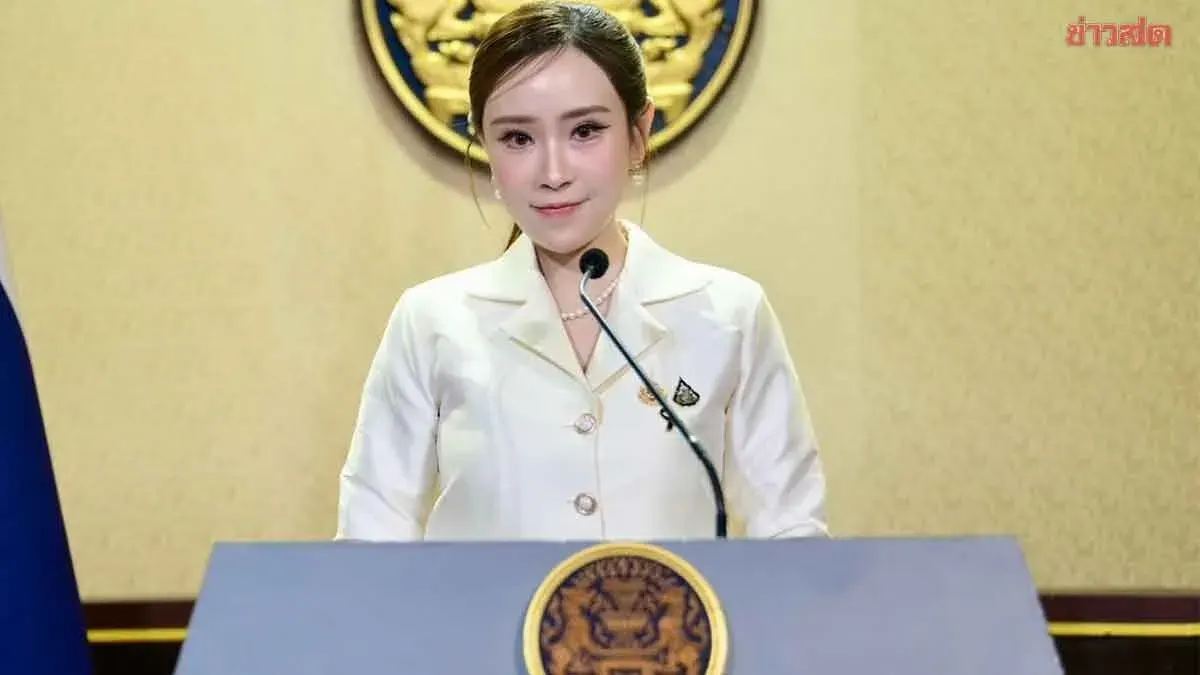
Commerce Minister Supichai Sutthamphonth clarified that the proposed 99% tariff elimination on US goods originated from the previous government's negotiations and aims to cut Thai export tariffs to the US from 36% to 19%. She emphasized Thailand maintains a growing trade surplus with the US, now the 5th largest globally, and that market opening includes safeguards for sensitive sectors. The agreement still requires legal review, public hearings, and parliamentary approval before taking effect.
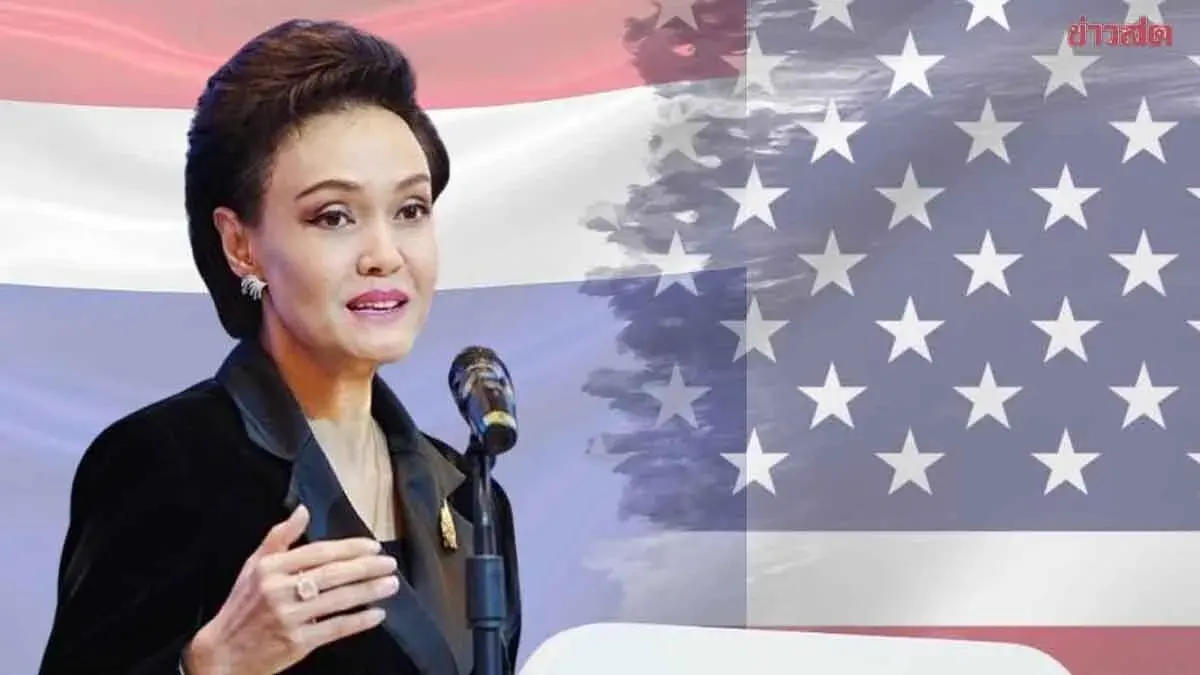
Deputy Prime Minister and Commerce Minister Supichai Sutthamphonth explained that the proposed elimination of import tariffs on approximately 99% of US products, covering both industrial and agricultural goods, along with the relaxation of other trade barriers, stems from a Framework Agreement reached by the previous government's negotiating team in July 2025. This followed the signing of the Joint Statement on an Agreement Between the United States of America and the Kingdom of Thailand on Reciprocal Trade (ART) by then-Prime Minister Anutin Charnvirakul and President Donald Trump on November 17, 2026. The deal aims to reduce Thai export tariffs to the US from 36% to 19%.
Supichai noted that President Trump referenced the existing framework during the ART signing ceremony, likely to demonstrate cooperation to the American public. She emphasized that opening Thailand's market under the ART does not put Thailand at a disadvantage but allows US goods to compete more fairly with products from countries that already have free trade agreements with Thailand. The benefit is greater choice for Thai consumers and businesses, who ultimately decide what to buy.
For sensitive products, Thailand maintains import quotas and control measures to protect domestic producers. Market opening focuses on goods Thailand does not produce or produces insufficiently. Supichai stressed the process is far from complete, requiring legal review, public hearings, Cabinet approval, parliamentary scrutiny, and regulatory amendments. The primary goal remains preserving Thailand's number one export market, which generated 2.37 trillion baht in exports and employed 1.25 million Thais last year.
She highlighted that during 2025, under the previous government at the start of US tariff negotiations, Thailand's trade surplus with the US ranked 11th globally. Under Anutin's leadership, Thailand rose to 7th, and in the first half of 2026 reached 5th place. Without negotiations to maintain competitiveness, Thailand would lose this potential market to neighbors. Even accepting the ART framework negotiated in July 2025, Thailand would continue running a trade surplus given the US market's 300-plus million population.
Commerce Ministry Inspector General and spokesperson Kornnij Nonjuay confirmed the negotiations aim to protect Thailand's top export market, enhance competitiveness, and create trade opportunities for Thai entrepreneurs. Market opening follows the agreed framework, product lists, and conditions — not unrestricted liberalization — with careful consideration of impacts on domestic sectors.