DASTA Launches STMS Exit Strategy for 120 Local Communities
The article is about DASTA (Designated Areas for Sustainable Tourism Administration) launching a new decade for the STMS (Sustainable Tourism Management Standard). Key points: 120 local administrative organizations (LAOs) in 22 provinces ha
DASTA opens a new decade for the Sustainable Tourism Management Standard (STMS), pushing 120 local administrative organizations toward sustainable tourism with an "Exit Strategy" model to hand over self-management, tackle global turbulence, and build community economies. Launching a new decade from "meeting standards" to creating income and resilience for localities, DASTA prepares to deliver area management authority while highlighting three pilot models for sustainable tourism expansion.
October 19, 2026 – The Designated Areas for Sustainable Tourism Administration (Public Organization), or DASTA, unveiled a new direction for the Sustainable Tourism Management Standard (STMS) after driving it for 10 years. A total of 120 local administrative organizations (LAOs) in 22 provinces have now met the criteria. DASTA is ready to elevate them from simply developing to meet standards to becoming localities that can manage tourism on their own, using natural resources, culture, and local identity to create economic value while addressing risks from climate change, so tourism generates income and distributes benefits to communities sustainably.
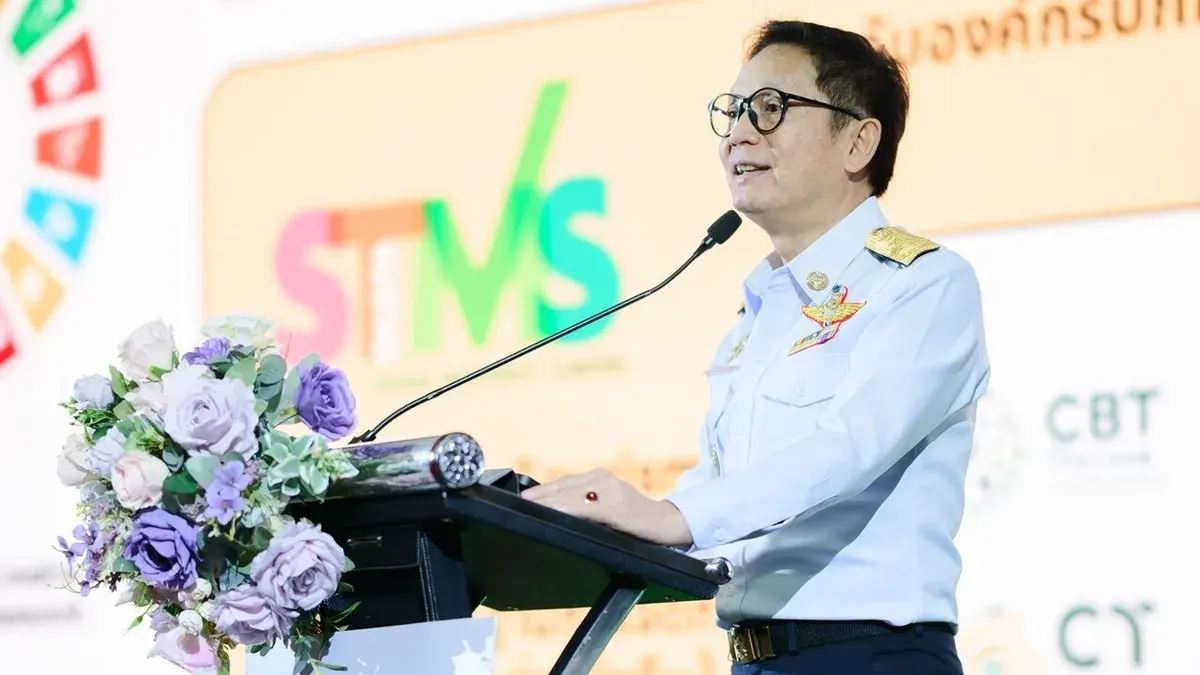
DASTA Director Siripakorn Cheawsamut spoke at the STMS 10th anniversary event under the theme "1 Decade of Bonds, Moving Forward Together Sustainably" (STMS 10 Years: Recognize Reconnect Reimagine) at TK Palace Hotel and Convention in Bangkok. He said since 2016, DASTA has worked with the Department of Local Administration and network partners to build LAO capacity for systematic tourism management covering economy, society, culture, environment, governance, and safety. STMS is a standard recognized by the Global Sustainable Tourism Council (GSTC) and serves as a key foundation for advancing to international tourism standards or awards.
Passing STMS is not just about attending training; it requires passing assessment and demonstrating actual operational results in the area. Over the past nine years, 107 LAOs met the standard, with 13 more added in 2026, totaling 120. Each area has different strengths and development goals but uses the same standard as a framework to upgrade management quality.
Deputy Inspector General Kiattinim Nimniam of the Department of Local Administration, Ministry of Interior, said sustainable tourism must start from the community, not wait for the state to develop it unilaterally, because locals know best what strengths and resources their area has to leverage for economic value. The state should support local knowledge, innovation, and link cooperation networks, while LAOs must develop personnel and management systems ready to drive tourism themselves. Crucially, they must shift from chasing tourist numbers to prioritizing quality, income reaching citizens, and long-term resource conservation, because short-term revenue that destroys the environment is not sustainable development. The network of 120 STMS-certified LAOs is a vital base for expanding this approach into the next decade.
From Development Recipients to Owners of Tourism's Future
Siripakorn added that the key direction for the next decade is the Graduation Plan & Exit Strategy concept – preparing to hand over tourism management roles to localities that are ready after receiving capacity development to define strategies, plan, and manage tourism resources independently under LAO authority, with DASTA stepping back.