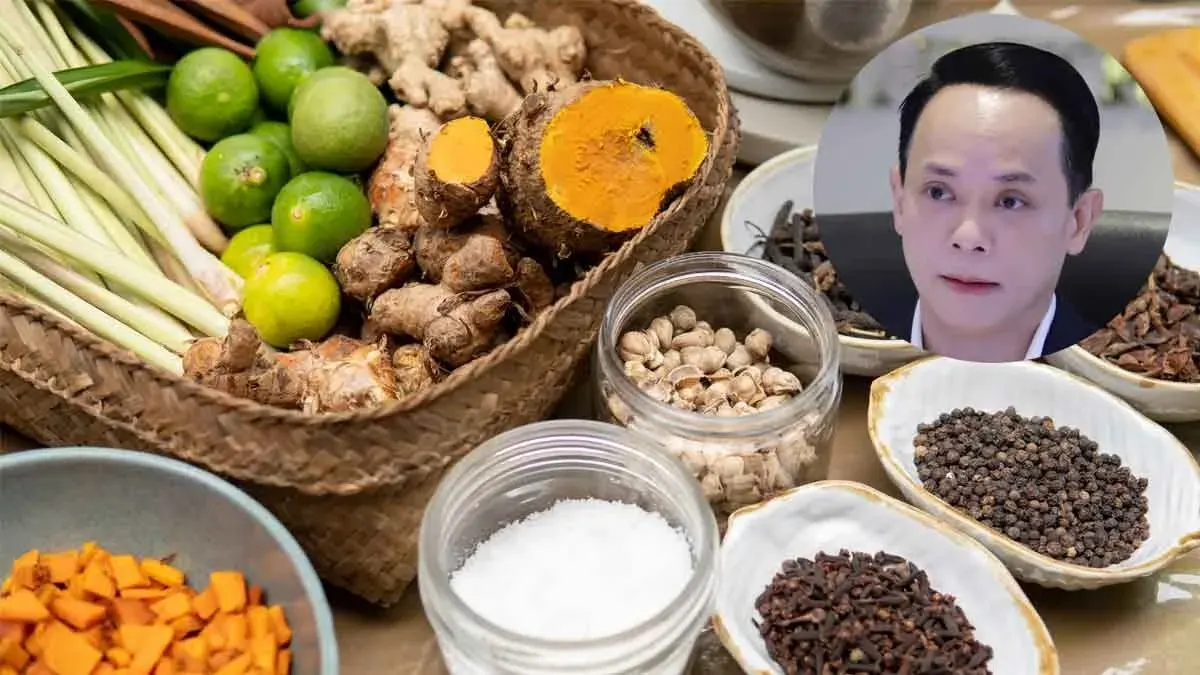
Thailand is capitalizing on surging global demand for natural health products, with the market projected to reach $90.24 billion by 2033, leveraging its 1,800 native herb species and traditional medicine expertise. Thai herbal exports jumpe
The global wellness trend driven by natural health practices is pushing innovation in Thai herbal products, leveraging Thailand's biodiversity and rich traditional medicine heritage. Nanthapon Jiralertpong, director of the Commerce Ministry's Policy and Trade Strategy Office, explained that worldwide demand for plant-based and natural health care products is skyrocketing, transforming herbal medicine into a booming industry encompassing supplements, pharmaceuticals, cosmetics, and wellness products. Global media coverage and consumer-focused research are accelerating this expansion, positioning herbal products as a major health care option.
The Herbal Supplements Market report estimates the global herbal product market at approximately $45.65 billion in 2025, with potential growth to $90.24 billion by 2033, representing an average annual growth rate of 8.89 percent. The FAO's 2025 Global Trade of Medicinal and Aromatic Plants report confirms that medicinal and aromatic plants are crucial natural resources used across the pharmaceutical, food, cosmetics, and pesticide industries, with consumer demand for natural products driving significant market expansion. Major importing nations include Germany, the United States, and Japan, while China and India lead in exports.
Global medicinal and aromatic plant trade data from 2015 to 2025 shows exports and imports increased by 67.4 and 65.9 percent respectively. In 2025, global herbal product exports reached approximately $5.257 billion, with the top five exporters being China (17.5 percent), Canada (10.8 percent), India (9.0 percent), Germany (5.3 percent), and Egypt (4.4 percent), while Thailand ranks 12th globally at 1.6 percent. Global imports totaled $5.108 billion, with Germany (15.4 percent), the United States (10.0 percent), Japan (6.7 percent), China (6.5 percent), and India (3.6 percent) as leading importers.
Thailand classifies herbal products as strategic bioagricultural commodities, benefiting from over 1,800 native herb species, many internationally recognized. This aligns with the National Herbal Action Plan 2023–2027, which aims to position Thailand as the region's herbal hub and promote "Herbal Champions" such as turmeric, andrographis, and black cardamom. Thai herbal product exports surged 375.3 percent in 2025, while herbal extracts and essential oils also performed strongly, expanding 29.4 and 14.7 percent respectively. Thailand's strengths extend beyond biodiversity to include favorable climate and climate conditions.