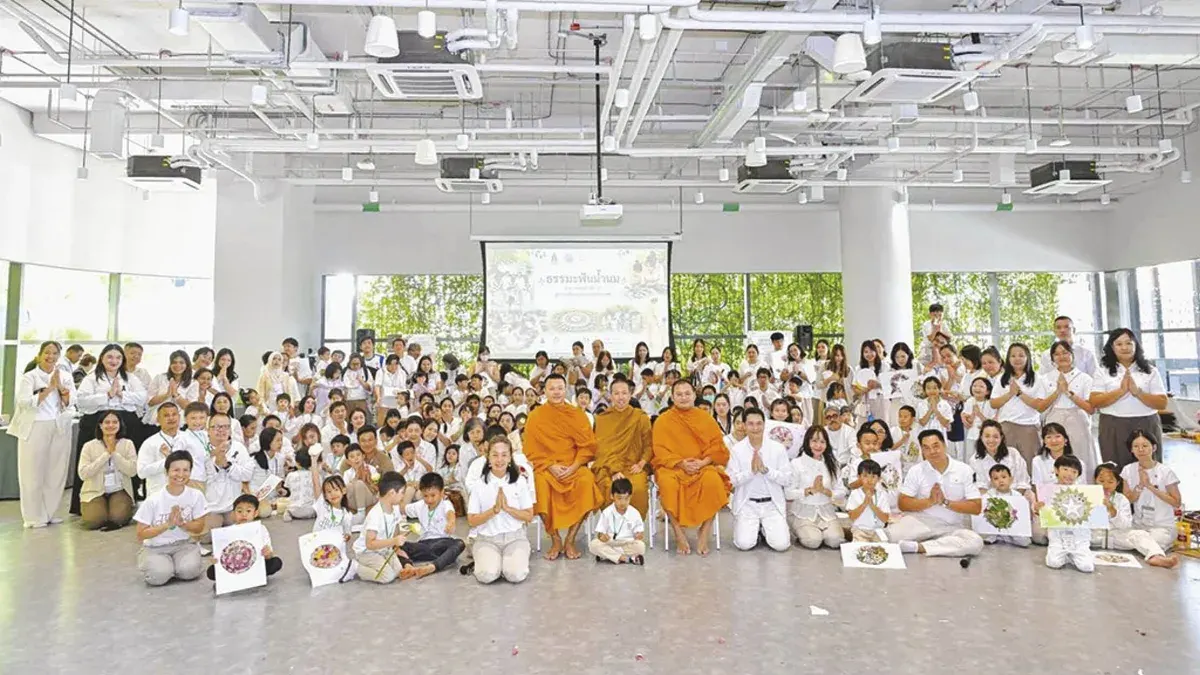
Temple Honors Late Abbot's 16th Death Anniversary
Wat Khao Tao Khrao in Phetchaburi marks the 16th death anniversary of Luang Por Suk Sangkhosophon, a revered abbot who championed education and built schools across the district during his 60-year monastic career.
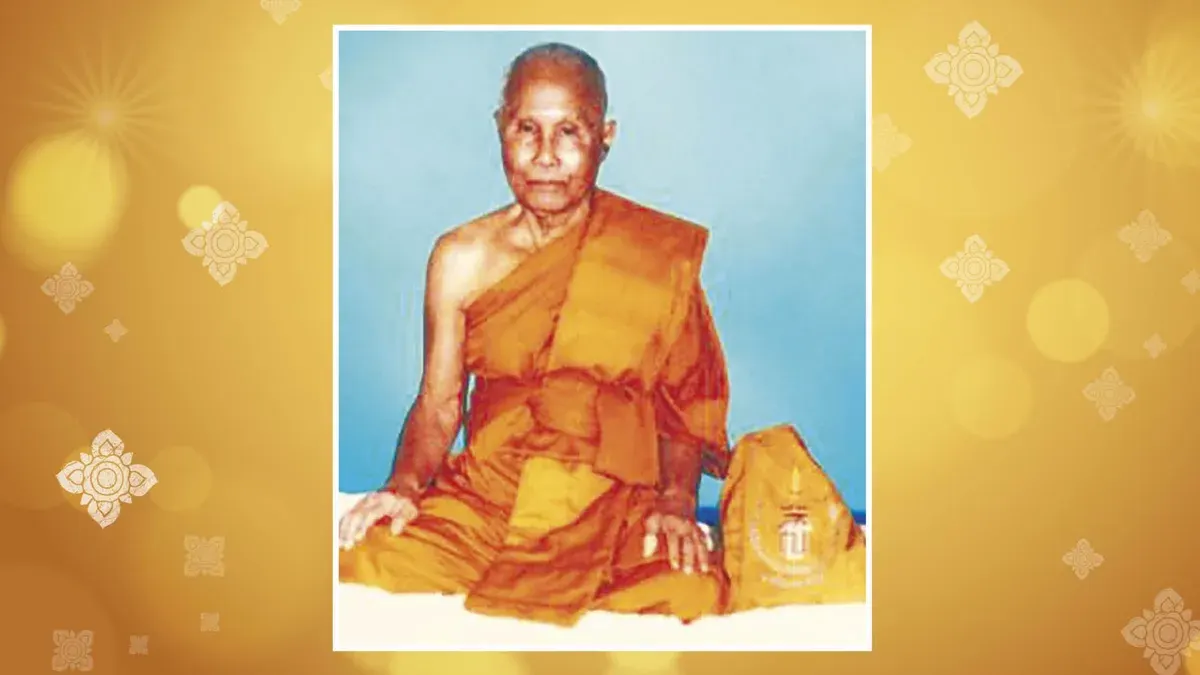
Saturday, July 11, 2026 marks the 16th death anniversary of Phra Mongkhol Wachiracharn, known as Luang Por Suk Sangkhosophon, a celebrated Buddhist monk and former abbot of Wat Khao Tao Khrao in Ban Lam District, Phetchaburi Province, and former advisor to the Ban Lam District monastic council. Born on September 22, 1922, as Prasop Sangsureeya in Samut Sakhon Province, he was ordained at age 22 on July 27, 1944, at Wat Khao Tao Khrao under the preceptor Phra Kru Maha Vihara Abhirak. After ordination, he devoted himself to Buddhist studies and achieved the highest rank of Dharma scholar from Wat Khao Tao Khrao's monastic school. He was appointed abbot of Wat Khao Tao Khrao from 1952 and became district monastic supervisor in 1977. In 2003, he received ecclesiastical rank as Phra Mongkhol Wachiracharn from the Thai monarchy.
Throughout his monastic life, Luang Por Suk championed education and Buddhism, constructing school buildings at Wat Khao Tao Khrao and Ban Bang Haw School, and establishing educational scholarships across 32 institutions in Ban Lam District over 15 years. He was renowned as a skilled consecrator of sacred amulets, particularly revered Buddha images. He transformed the temple grounds by constructing monks' cells, renovating the ordination hall, and building monuments including a stupa containing Buddha relics on Khao Tao Khrao hill. He also established a public health station, community police outpost, and organized sports and cultural events tied to Buddhist celebrations.
Wat Khao Tao Khrao houses the principal Buddha image, Luang Por Khao Tao Khrao, standing 29 inches tall with a width of 21 inches, which devotees and pilgrims have revered for generations. Local legend traces the image to the late Ayutthaya period when Ban Lam residents fleeing Burmese invasions discovered it in a fishing net at the mouth of the Mae Klong River. The image is believed to be one of three "sibling" Buddha statues, with counterparts at temples in Chachoengsao and Samut Songkhram provinces. Luang Por Suk's contributions elevated Wat Khao Tao Khrao to prominence throughout Thailand and among Buddhist communities worldwide.