Thai Chamber Says 18% US Tariff Won't Cripple Exports
The Thai Chamber of Commerce downplays the impact of a proposed 18% U.S. tariff under Section 301, saying Thai exports will not be severely affected. The chamber cites tariff parity with key competitors, avoidance of duplicate tariffs, and broad exemptions covering over half of export value — especially AI-related electronics. Ongoing Thailand-U.S. trade talks are seen as a positive factor for the final rate.
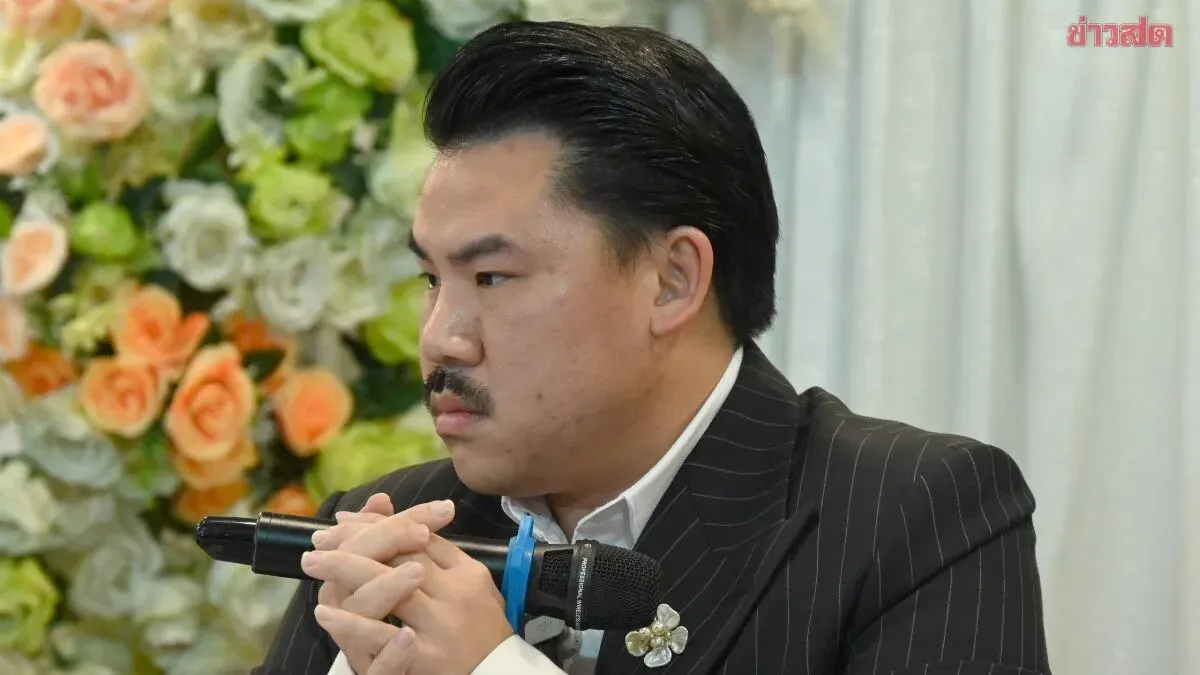
The Thai Chamber of Commerce says the proposed 18% U.S. tariff will not significantly impact Thai exports, while the government negotiates to expand the list of tariff-exempt goods. Chamber Chairman Phorn Aramwattananont addressed the USTR's Section 301 investigation into structural excess capacity, which proposes tariffs on 14 countries and economic territories, with Thailand at the maximum 18% rate. The U.S. argues these countries have industrial support policies leading to excess capacity, affecting American manufacturers' competitiveness and employment. For Thailand, the U.S. focuses on industrial promotion policies, investment, and imports of raw materials and components from abroad, especially China. Both the Thai public and private sectors have been monitoring and preparing for this. The announced 18% is only a preliminary rate, not a final rate, and has not yet taken effect. Thai exporters continue to pay the existing 12.5% Section 301 tariff on forced labor for non-exempt goods.
The Chamber sees three key factors limiting the impact. First, Thailand's tariff matches competitors Malaysia, Indonesia, and Cambodia at 18%, while Vietnam faces a proposed 35% (potentially dropping to 20% with a deal). Businesses care about relative tariff levels, and if Thailand's combined rate stays competitive, Thai product quality and entrepreneurship can still compete in the U.S. market. Second, the USTR proposal avoids duplicate tariffs: goods under both measures would rise from 12.5% to 18% (a 5.5 percentage-point increase), not a combined 30.5%. Some items under Section 232 industry-specific tariffs are also proposed for exemption from this Section 301 round, though official confirmation is pending. Third, preliminary KKP Research assessment shows over half of Thailand's export value to the U.S. falls under proposed exemptions, particularly AI and data-center electronics such as computers, hard drives, and storage devices — a key growth driver. Thus the average tariff increase on Thai exports may be below 5.5 percentage points, though impact varies by product group, with several agricultural and food items still not exempt.
Phorn noted progress in the Thailand-U.S. Agreement on Reciprocal Trade (ART), especially the November 17 Joint Statement, as a positive factor for final tariff negotiations. He praised the government negotiating team, particularly the Commerce and Foreign Ministries.