Thai Chicken Exports Face First Decline in 20 Years
China suspended imports from most Thai chicken processing plants after discovering exports exceeded production capacity, marking Thailand's first major export decline in two decades as the market shifts to competitors like Brazil and Russia
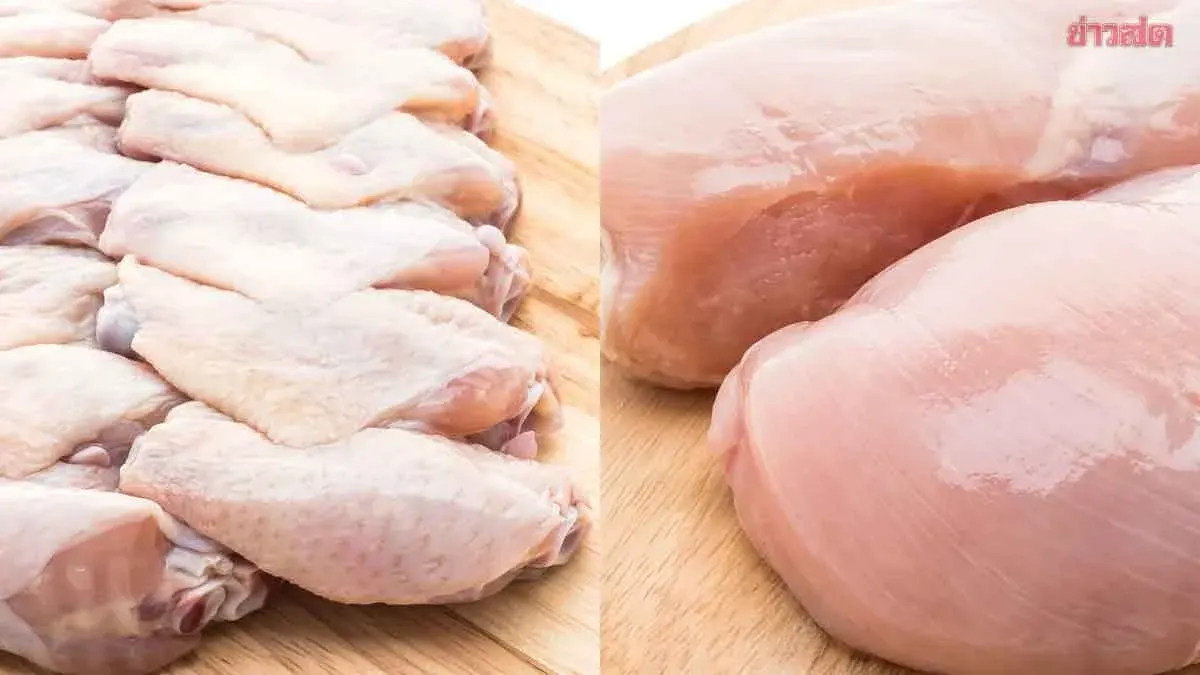
Thailand's chicken export industry is reeling from a major setback as China's General Administration of Customs suspended import permissions for chicken pieces and meat from Thai factories after discovering exports exceeded actual production capacity. The action, effective since July 2024, temporarily halts imports from 17 of Thailand's 22 certified processing facilities.
China has dropped from Thailand's largest chicken export market—commanding 37% of exports in 2023—to third place with just 16% market share today. Nearly all of Thailand's chicken exports to China (99.9%) are frozen meat pieces and offal, with only 0.1% fresh chilled chicken. This sharp decline compounds existing challenges from weakened orders and intense price competition.
The Kasikornbank Research Center projects Thailand's frozen and chilled chicken exports will reach $1,255 million in 2025, representing a 13% decline year-on-year. Exports have already fallen 20% in the first five months of 2025. Major markets like Japan and China are expected to remain weak, though Malaysia, South Korea, and Hong Kong show potential growth.
Thailand and China recently approved a new poultry export protocol awaiting formal signature. If Thai factories successfully meet the updated standards, exports may gradually recover. However, Thailand faces tough price competition from rivals like Brazil and Russia, whose prices are roughly 30% lower.
Experts recommend Thailand strengthen digital traceability systems and blockchain technology, enforce stricter production standards, diversify markets to reduce price competition and trade barriers, and shift toward higher-value products like processed and cooked chicken.