Thai Commercial Banks Stable Despite SME Weakness in Q2
Thailand's commercial banking system remained stable in Q2 2026 with solid capital and liquidity, though credit to small businesses and consumers contracted as large firms drove overall 2% lending growth despite elevated economic risks.
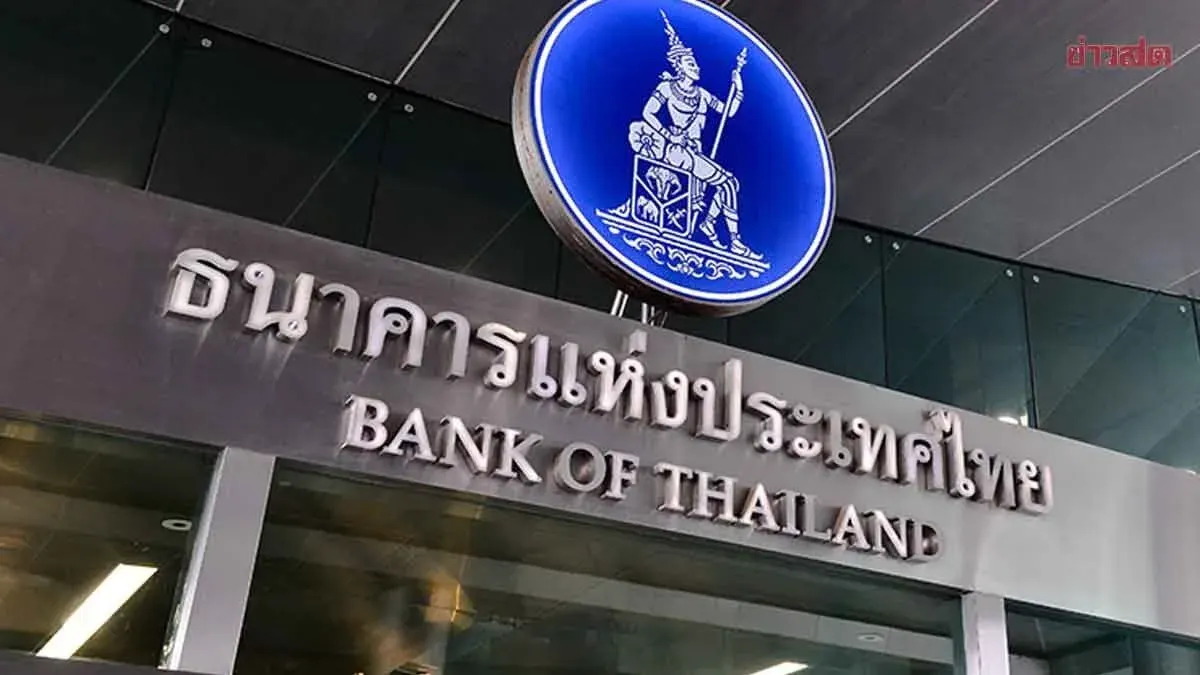
The Bank of Thailand reported that the commercial banking system remained stable and solid in the second quarter of 2026, with capital, reserves, and liquidity at high levels. Commercial bank credit across all networks expanded 2% from the same period a year earlier, primarily supported by lending to large businesses requiring increased working capital due to higher energy costs and raw material prices. However, credit to SMEs and consumer lending continued to contract, reflecting elevated credit risk. Non-performing loans (NPL, or Stage 3) fell to 534.8 billion baht in the second quarter as banks accelerated debt management efforts, keeping the NPL ratio to total credit steady at 2.82% similar to the previous quarter. Stage 2 credit declined to 6.78%, partly as vulnerable borrowers moved into NPL status while some borrowers improved their standing. Banks continued to pursue preventive debt restructuring, helping slow the emergence of new NPLs. Net profits at commercial banks grew from the year-earlier period, supported by gains from fair value measurements of financial instruments and higher securities brokerage income, coupled with reduced provisions after banks had built reserves aggressively in prior quarters and implemented more efficient cost management. These factors offset declines in net interest income from rate adjustments aligned with policy rates and borrower relief measures. Going forward, ongoing Middle East tensions and an uneven Thai economic recovery pose risks to debt repayment capacity, particularly for vulnerable SMEs and households facing volatile earnings and high living costs. The Bank of Thailand will closely monitor commercial bank loan quality, while debt relief measures and continued liquidity support from financial institutions are expected to help sustain businesses and households ahead.