Thai Hospitals Identify Six Hidden Hives Triggers and Treatments
Thai medical experts outline the causes, types, and management of hives, highlighting six often-overlooked trigger categories ranging from food and drugs to physical stimuli and autoimmune factors. The guide distinguishes between acute hives that resolve within weeks and chronic cases lasting over six weeks, offering practical self-care tips and stressing the importance of allergy testing for long-term prevention.
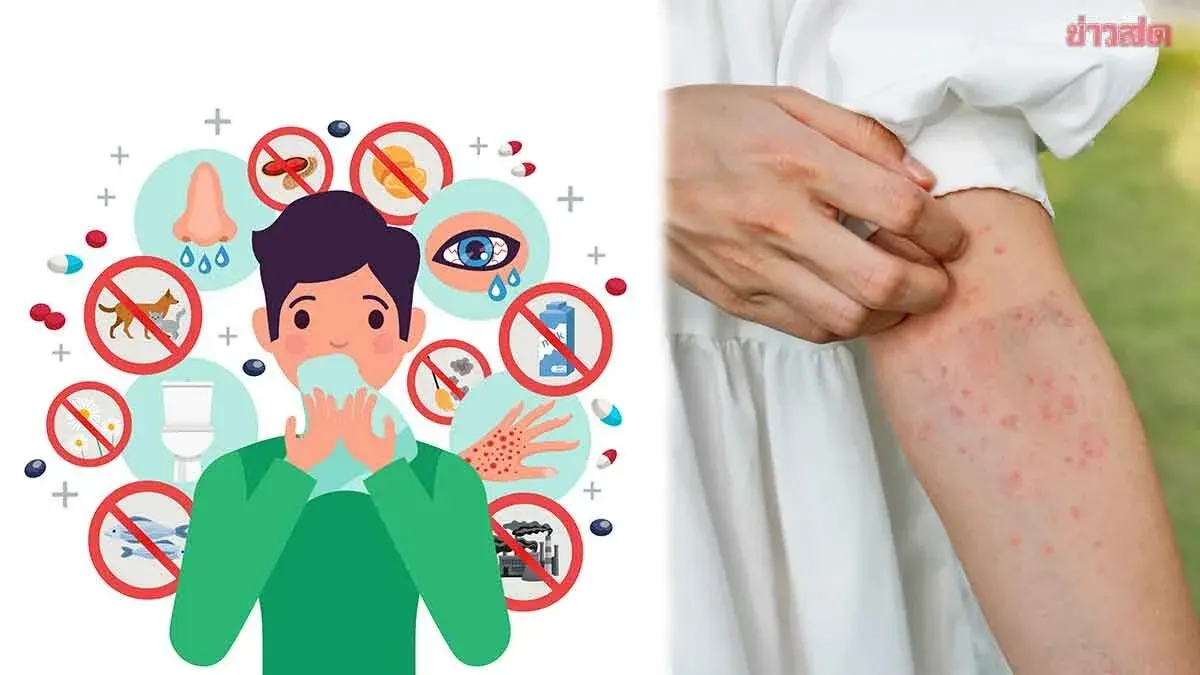
Hives produce intensely itchy, swollen red welts or long streaks without pus that can occur on any part of the body. The reaction stems from the release of histamine and other chemicals into the bloodstream when the immune system responds to an allergen, causing blood vessels to dilate. Acute hives typically clear up on their own within two to three days up to a few weeks, while chronic hives persist for more than six weeks, often recurring multiple times a week for over a year, frequently without an identifiable cause.
Six major trigger groups are identified: foods such as seafood, eggs, milk, nuts, and additives; medications including antibiotics, NSAIDs, certain painkillers, and blood pressure drugs; viral, bacterial, fungal, or parasitic infections; environmental allergens like pollen, dust mites, animal dander, insect venom, and contact chemicals; physical stimuli such as cold, heat, sunlight, pressure, vibration, or sweat; and autoimmune factors linked to conditions like thyroid disease or lupus, as well as insufficient rest.
For acute cases, over-the-counter non-drowsy antihistamines and topical steroids can relieve symptoms. Sufferers should avoid scratching, which worsens inflammation and spreads welts. Cool showers or cold compresses ease itching, while adequate rest and avoiding extreme temperatures help prevention. Identifying and avoiding specific allergens and managing stress are crucial. Anyone experiencing hives, whether acute or chronic, is advised to undergo thorough allergy testing and consider allergy vaccination to prevent recurrence, according to specialists from MedPark Hospital, Ramkhamhaeng Hospital, and Rama 9 Hospital.