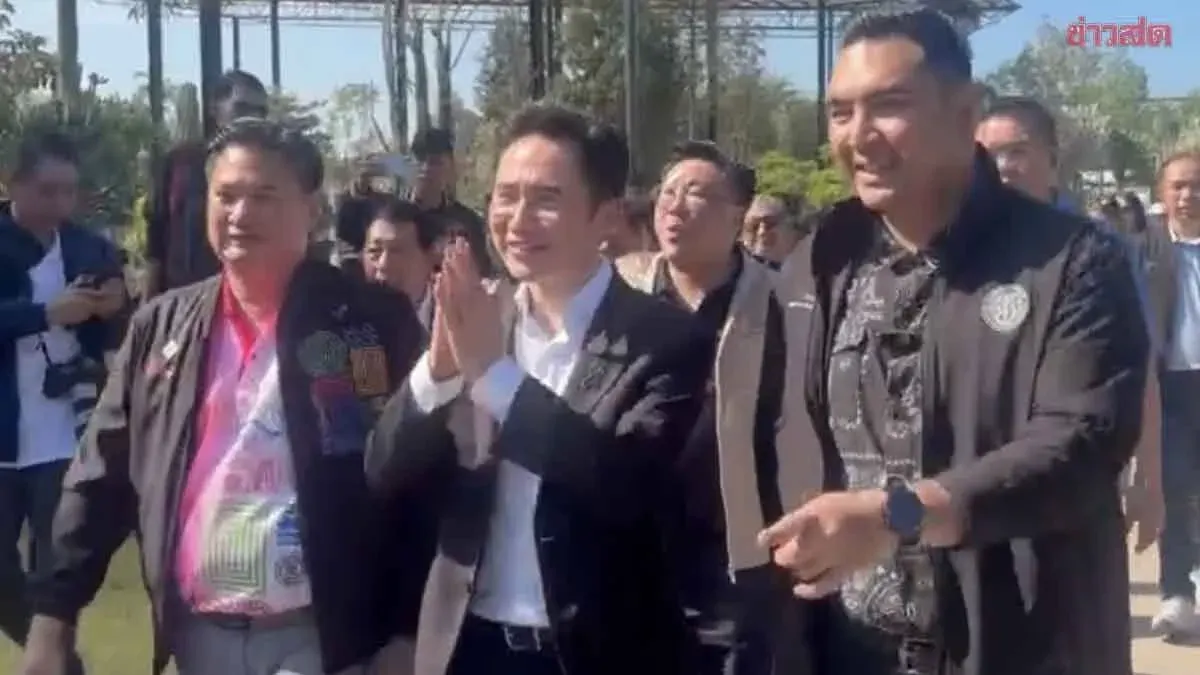
Thai Officials Study Singapore's Record Vertical Farm for AI Agriculture
The user wants a short summary (1-2 sentences, 120-220 characters, max 240) of the article provided. The article is about Thai agricultural officials visiting Singapore's record-breaking vertical farm (Greenphyto) to study AI-driven agricul
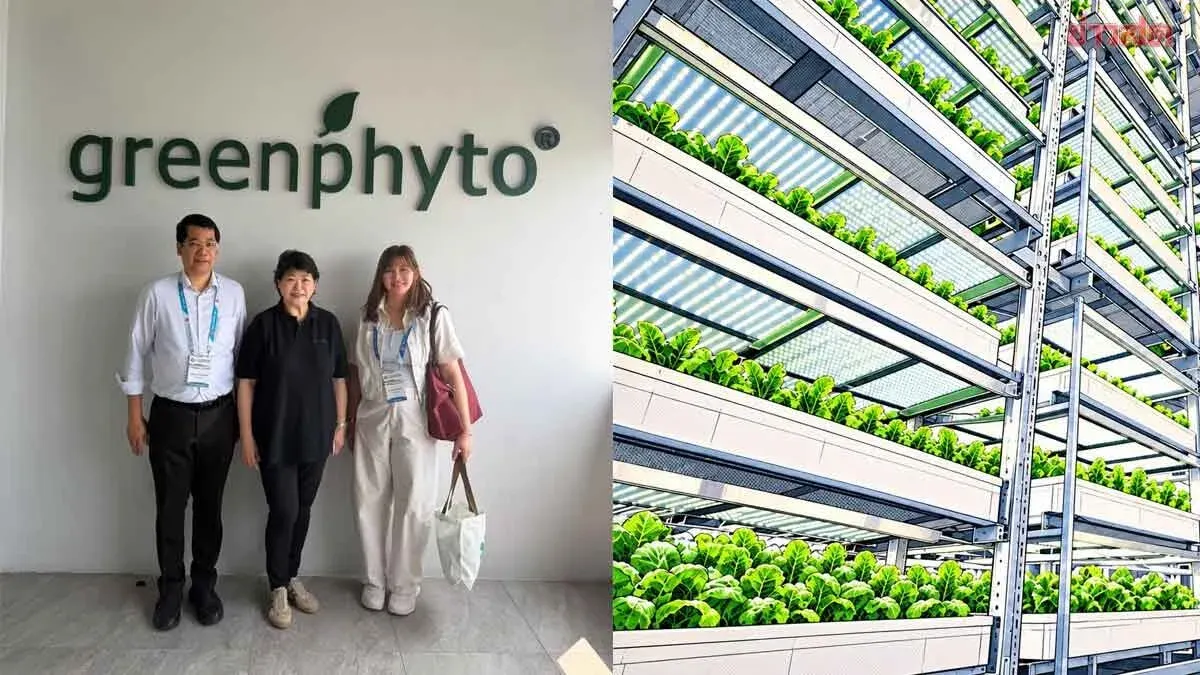
On October 31, 2026, Phongthai Thayothin, Deputy Permanent Secretary of the Ministry of Agriculture and Cooperatives and Acting Director-General of the Department of Agriculture, disclosed that he had visited Greenphyto in Singapore. The farm features a 23.3-meter-high growing system and holds the Guinness World Record for the world's tallest vertical farm. The purpose was to study closed-system plant production technology, artificial intelligence (AI) management, and production certification standards to inform the development of Thailand's Plant Factory standards. This initiative also promotes learning opportunities for new-generation farmers and Young Smart Farmers to access modern agricultural technology. Closed-system production reduces reliance on external weather conditions, enabling year-round production planning and enhancing resilience against climate variability and change. Knowledge and experience from Singapore can further drive exchange and cooperation under the ASEAN Ministers on Agriculture and Forestry (AMAF) framework, promoting modern agricultural technology and building sustainable agricultural and food security systems in the ASEAN region.
Phongthai noted that Greenphyto is the result of over 14 years of continuous concept and technology development, evolving into a commercial plant production prototype that integrates environmental control systems, robotics, and automation. The company states it produces vegetables without pesticides and has achieved the highest 3-star rating under Singapore's SG Fresh Produce system, covering farm business licensing, Singapore Good Agricultural Practice (SG GAP), and SG Clean and Green standards, reflecting emphasis on quality, safety, and environmentally conscious production.
Another key takeaway is the use of AI for data-driven production management. By linking plant growth data, environmental conditions, and market demand with farm management systems and digital twin models, the farm can plan planting cycles, forecast yields, and adjust environmental controls to suit each crop variety and growth stage. This also aligns production volumes with orders, reducing waste and improving delivery accuracy.
In energy management, the farm has developed high-efficiency LED lighting combined with light-level optimization for each crop variety, and uses technology to manage growing systems. Reports indicate approximately 30% energy savings, demonstrating the importance of designing production systems that balance yield quality, cost control, and resource efficiency.
The knowledge gained will inform the development of Thailand's Plant Factory standards covering produce safety, production process control, data logging for traceability, and energy efficiency. This will also build on collaboration between the Department of Agriculture and the UN Food and Agriculture Organization (FAO) under the TCP/THA/4003 project on sustainable control of Tetranychus urticae.