Political activists and former senate candidates demand the Election Commission prosecute 229 people accused of ballot fraud in a two-year-old case, threatening legal action against the EC if charges are dismissed.
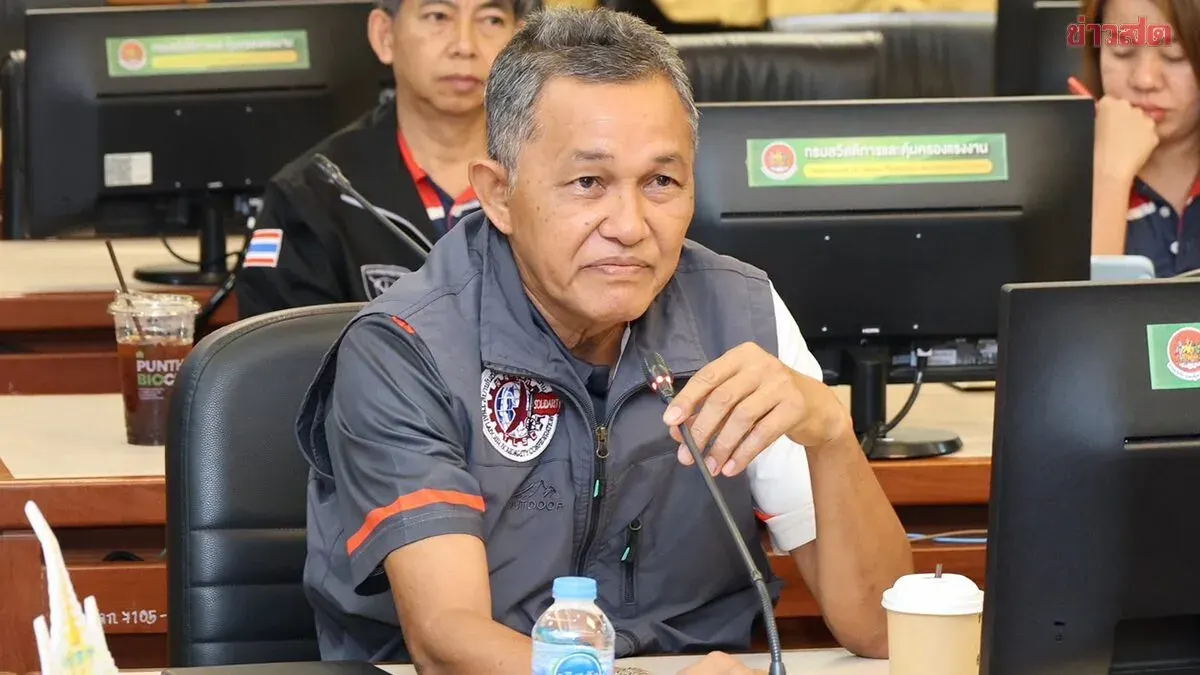
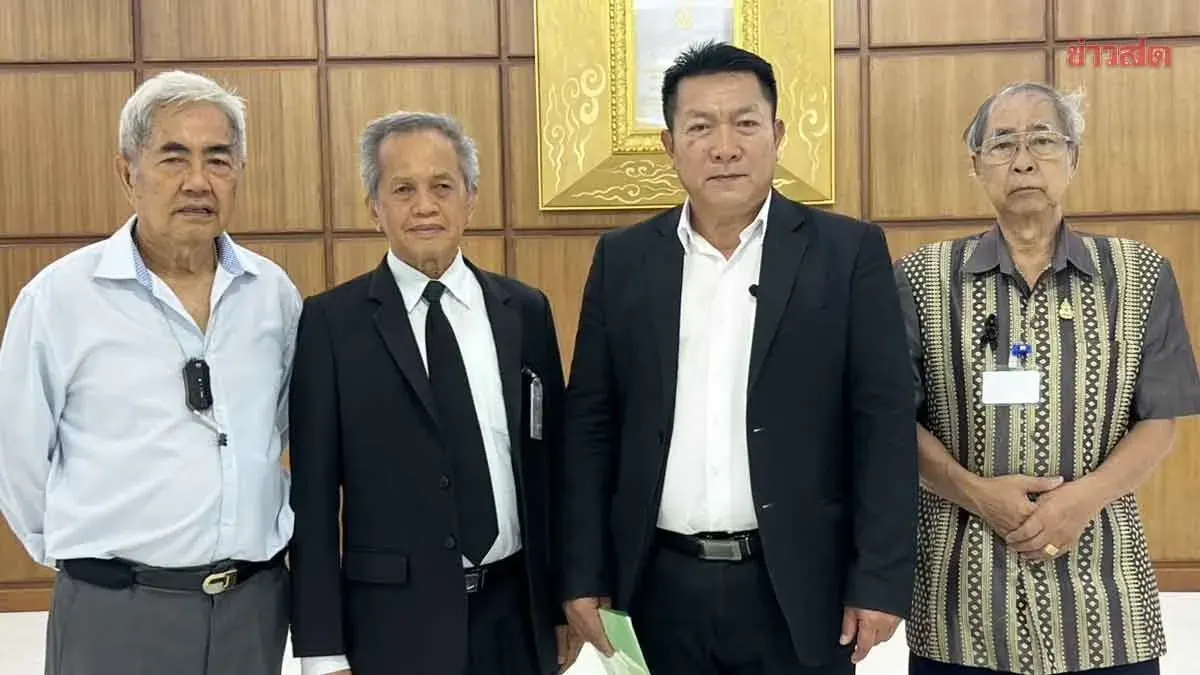
On August 3, 2025, at the Election Commission (EC) office, reserve senator Akkhrawat Pongsthanacharoenkul, along with former senate candidates Direk Phonsima, Aranya Boonruang, and Chatwittaya Mongkolsen—representing political activist groups and election observers—submitted a letter to the EC requesting expedited resolution of the two-year-old senate election fraud case. They argued that the EC's conduct amounts to a process of overthrowing democratic governance and threatens the structure of sovereign power across legislative, executive, and judicial branches.
Akkhrawat called on all seven EC members to conclude their investigation using the 26th inquiry commission report and refer the case to the Supreme Court's election division this month. He emphasized that independent agencies must act with integrity and impartiality, free from political influence. If the EC attempts to dismiss charges against the 229 accused by claiming lack of merit, civil groups and former candidates have prepared a lawsuit against the EC itself.
The group revealed that the 26th inquiry report achieved unanimous consensus from civil servants and experts, compiling comprehensive personal, documentary, and forensic evidence. However, they noted suspicious delays in proceedings. They cited three major irregularities: (1) organized transportation of candidates nationwide via vans; (2) provision of free accommodation in hotels across Bangkok's metropolitan area without candidate expense; and (3) free meal provisions prepared entirely by organizers.
When asked about the EC's claim that introducing voting guides is lawful, Akkhrawat clarified that administrative court orders only protect sections 7, 8, and 11, which permit carrying candidate introduction documents (Form SW3) into polling booths due to the large candidate pool—not elaborate voting schemes. He argued that secretly writing names behind documents, hiring vote guides, organizing training, creating charts, and paying voters in exchange for support constitutes illegal vote-buying and orchestrated ballot manipulation, which no court would sanction.
Akkhrawat challenged EC Secretary-General Sawang Boonmee and the EC chair to publicly confirm whether hiring vote writers, blocking votes, or orchestrating senate ballots is legal. He noted the case has stalled over two years despite closed-circuit camera footage and over 3,000 ballots showing duplicate voting aligned with voting guides from June 24–25 through election day June 26, 2567 (2024). He threatened that if the EC refuses to open ballot boxes to verify facts, legal action would follow.