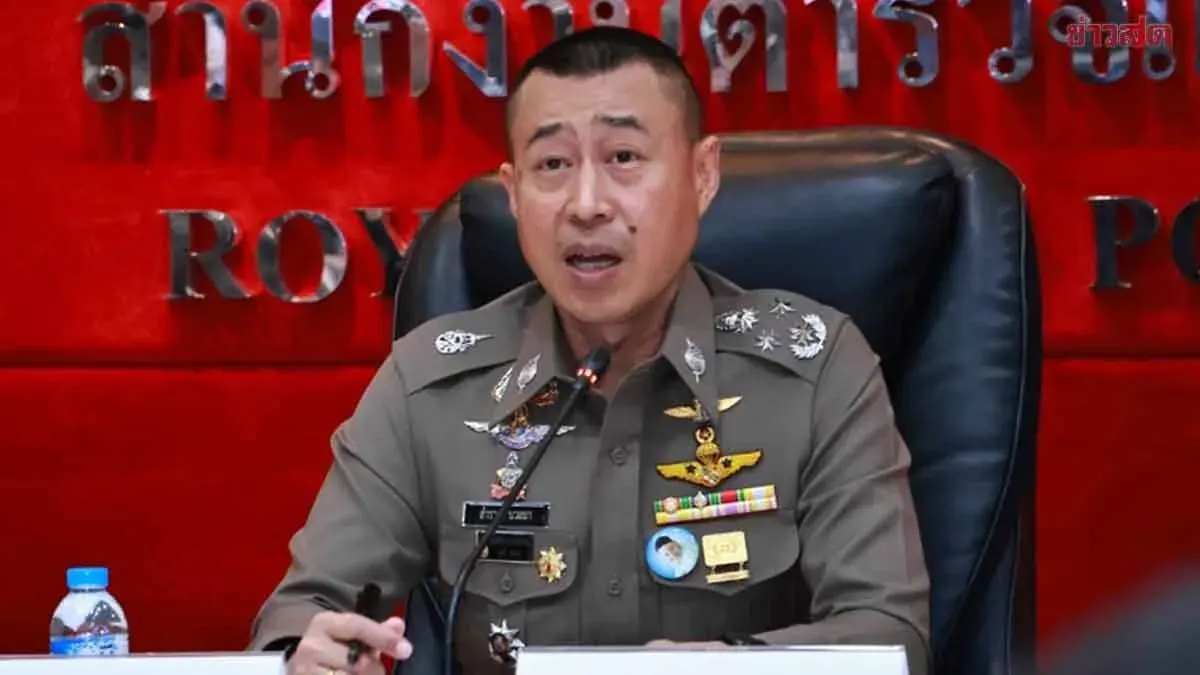
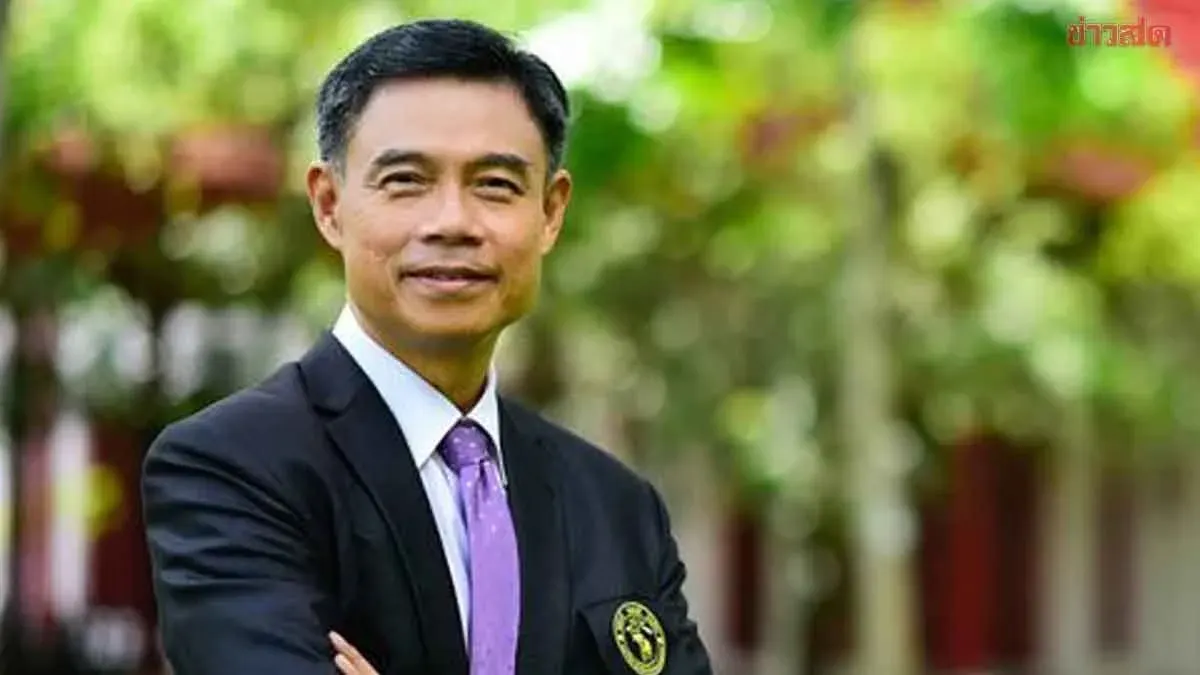
Samran Nualma, known as "Big Ranya," rose through Thailand's police ranks on merit alone to become deputy national police commander, driven by a childhood trauma to protect others and shaped by three decades of hands-on work across every po
Samran Nualma, known as "Big Ranya" in police circles, rose from humble beginnings with no family connections to become deputy national police commander. He graduated from the 34th Military Preparatory School and the 50th Police Cadet Class, starting his career like any other young officer with empty hands on his first day at the station.
Unlike many generals who fade from memory after leaving office, Samran's name resurfaces whenever a major national crisis occurs. His motivation was not a childhood dream of wearing a uniform, but a traumatic memory of witnessing his father bullied by someone powerful with no one to help. This became the spark that drove his ambition to become someone others could rely on.
Over thirty years later, he became deputy national police commander, and his entire path was built on merit, not luck. In 1997, he began at Phra Khanong Station as a deputy investigation officer, a seemingly ordinary job listening to complaints and gathering evidence piece by piece. Yet this document-heavy work taught him something crucial: police stations are where citizens judge the entire police system.
In 2003, he moved to detective work at Thonglor Station, combining his investigative knowledge with detective skills, realizing the two disciplines cannot be separated. Soon after, he joined Unit 191, the special operations command, which became his second home and shaped the rest of his police career. He worked through nearly every type of operation, from tracking hired gunmen to shutting down illegal gun factories to building social media-based drug investigation systems still used by police today.
In 2011, while commanding Don Mueang Station, Bangkok flooded devastatingly and destroyed the station building. While others waited for water to recede, he waded through floodwaters to assess the area, relocated operations temporarily, and rapidly restored the station to accept reports as quickly as possible. He then continued improving the station, earning it recognition as an outstanding police station—not just for appearance but proven results, solving 100 percent of serious robbery cases.
This approach showed that good leaders don't sit waiting for orders; they get their hands dirty. Few police officers have worked across all divisions as Samran has—from investigation to detective work to crime prevention to traffic to administration. This breadth explains why in a crisis, he immediately knows who should do what, following the principle: "Put the right man on the right job."
When the February 8, 2020 terminal shooting crisis occurred—a soldier's rampage at Terminal 21 in Korat killing 31 and wounding 58—Samran commanded Unit 191 and received orders to lead the response.