Thai Songwriters Demand Royalties After 40-Year RS Dispute
Over 100 Thai songwriters and artists have filed a legal complaint against RS Promotion, alleging the company withheld royalties for 40 years and sold music rights to Universal Music Thailand for 1.59 billion baht without compensating creators. They demand back payments, a halt to disputed rights collection, and copyright law reform. Digital music royalties now exceed 6 billion baht annually, yet creators say they receive nothing.
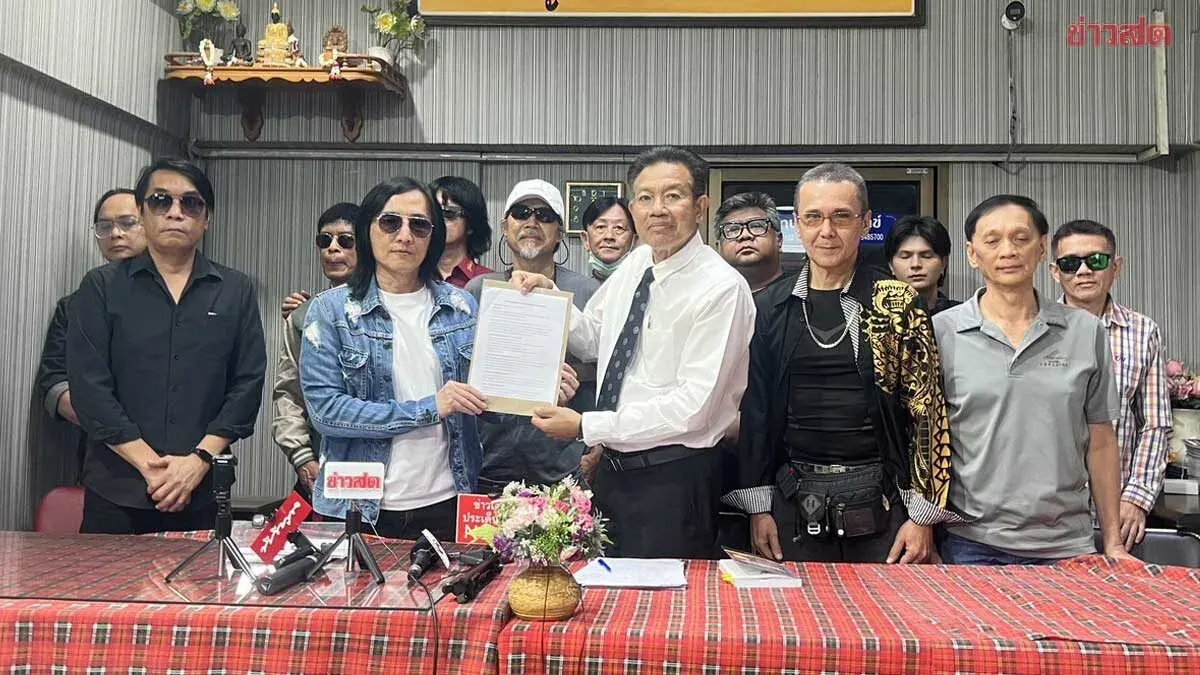
Over 100 songwriters, singers, and producers who created works for RS Promotion — including Vespa, Ster, Chompoo Fruity, Pong Hin Lek Fai, Noo Meter, Vitamin A, and Jack IFEL — have united to file a complaint through lawyer Decha after being affected by rights management and sales issues. They claim the company exploited their works and collected income without fair compensation, demanding a halt to the collection of disputed rights, retroactive royalty payments, and amendments to copyright law so new generations of songwriters do not face the same problems.
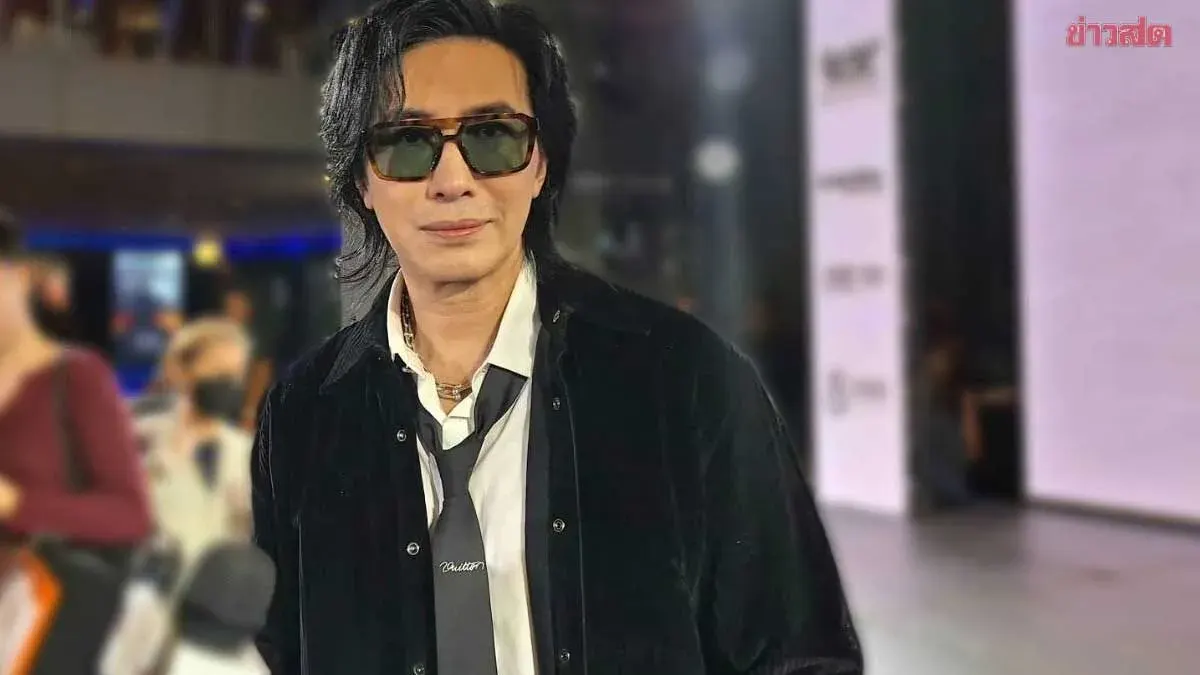
Vespa, one of the affected creators, revealed the issue impacts many songwriters, not just her own works. She said the former rights manager collected revenue from songs and sold the rights to Universal Music Thailand for 1.59 billion baht, even though the creators believe the company had no right to sell the lyric and melody rights, which belong to the composers.
Vespa — Songwriters Unite for Justice Vespa explained the core problem lies in the interpretation of old contracts. Many songwriters understood they were only licensing the company to use and distribute songs, while the company claimed it was a full copyright transfer. Yet contracts stipulated ongoing percentage payments from tape, CD, ringtone, and other sales channels. For example, lyricists, composers, and producers had agreed splits; some received tape and CD royalties for years before payments suddenly stopped, even though the songs continued generating revenue on digital platforms.
Vespa herself has about 200 songs and initially sued the company for copyright infringement on 21 songs, winning all 21 at the Appeal Court. The court ruled the company did not own the composers' copyright but was only a licensee. In a counter-suit where the company sued over Vespa performing her own songs on stage, the court dismissed all claims. The matter is now pending before the Supreme Court.
Digital Royalties Exceed 6 Billion Baht Yearly — Creators Unpaid for 40 Years Vespa emphasized the goal is to stop the company from collecting rights it does not own, across both analog and digital systems — pubs, bars, karaoke, and online platforms — and to ensure fair revenue sharing. She noted digital music royalties now exceed 6 billion baht per year, yet creators receive none of their due share.
Veera Dechkrawan (also known as Veeranonth Nawachan), a pioneering RS songwriter with many 1980s-90s hits such as "Kwam Jai Jai" by Rainbow, "Lang Jai" and "Long Tua Eng" by Anan Bunnak, "Mue Thi Sam" and "Mai Mee Thi Pai" by Touch Na Takua Thung, and "Koen Ham Jai" by Highrock, also came forward. He revealed that for over 40 years he never received royalties from the company for his compositions.