Thailand Demands Fact-Checking, Not Blind Trust on UN Reports
Thailand defends its right to fact-check UN reports rather than accept them without question, arguing that scrutinizing data on sensitive issues like refugees and military affairs reflects respect for accuracy, not disrespect for the organi
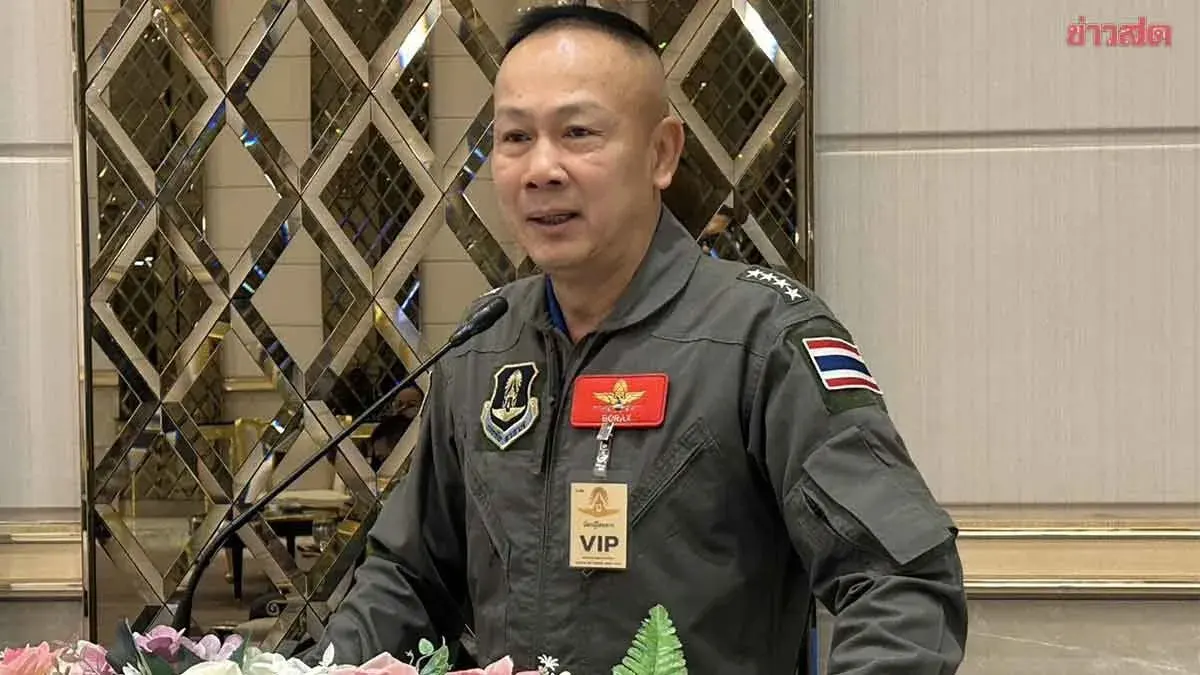
Air Vice Marshal Praphas Saonjaidi, director of the Thai-Cambodian Information Center, responded to Cambodian media criticism that Thailand dismisses the United Nations by reaffirming that Thailand has no problem with the UN and has always valued it. He explained that Thailand's actions represent a defense of facts, and that respecting the UN does not mean Thailand must accept all information about itself without question. "If information is incomplete, Thailand has the right to clarify. If any figures are doubtful, Thailand has the right to ask for verification. If any accusation affects Thailand, Thailand has a duty to present our facts," Saonjaidi said.
He stressed that these actions are not opposition to the UN but engagement through legitimate international processes, and that failing to respond within two days does not equate to disrespecting the organization. When asked about criticism that the UN's Andrews sent a draft statement only two days in advance and Thailand did not respond quickly enough, Saonjaidi said it is crucial to separate "facts" from "interpretation." Responding delays are entirely different from lack of respect for the UN. The issues involved security, borders, military affairs, human rights, and international law, so information must pass verification and coordination among multiple agencies. "At the national level, accuracy matters more than speed," he said.
Regarding the figure of 650,000 Cambodian refugees Andrews cited from UN reports, Saonjaidi said Thailand does not reject numbers simply because of their source, but questions them according to international standards: where did the figures come from, when was data collected, what area did it cover, what counting method was used, and was it cross-checked? "The higher the stakes—especially when figures are used in international forums and may determine who is held responsible—the more rigorous verification standards must be. The word 'UN' should not be used to shut down questioning but should guarantee that information can be verified," he said.
On Cambodia's claim that Andrews visited the field and therefore witnessed facts firsthand, Saonjaidi said Thailand respects such visits and has never denied Cambodian suffering. However, he asked: if discussing impacts from conflict between two countries, can examining only one side reflect the whole picture? Thai citizens have also been affected—Thai people have been displaced and their homes and livelihoods damaged by the situation. "If we affirm that 'Human Rights Have No National Borders,' then both sides' suffering must be heard and verified," he concluded.