Thailand Launches Major Drive to Distribute Southern Fruits
Thailand's Interior Trade Department is launching a major distribution drive for southern fruits like durian and mangosteen arriving in August, partnering with retail chains and agricultural hubs to move at least 10,000 tonnes and prevent p
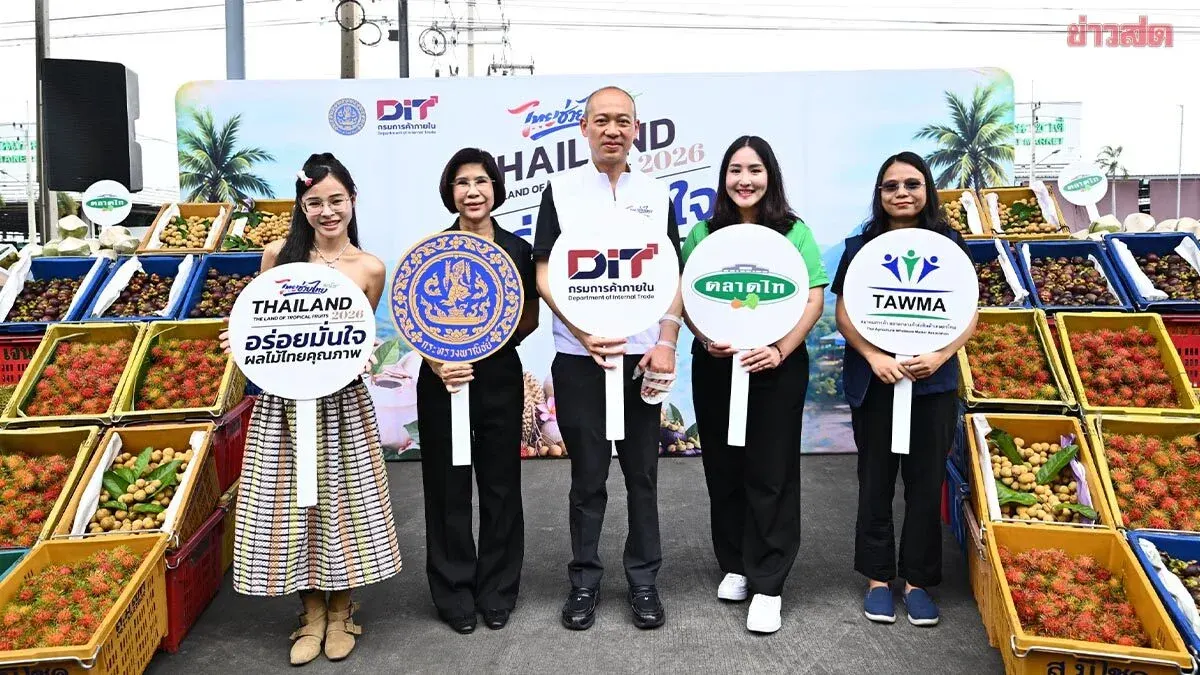
The Interior Trade Department under the Commerce Ministry is stepping up fruit management for 2025 by partnering with agricultural market hubs to speed up distribution of southern fruits, especially durian, mangosteen, and longong coming to market in August. The department is coordinating with modern retail chains to add sales channels and boost consumption, targeting absorption of at least 10,000 tonnes while reducing the risk of oversupply and price crashes.
Chanthapath Panjamanon, Deputy Director-General of the Interior Trade Department, explained that large volumes of southern fruits are set to arrive in August, and if they all hit the market at once, oversupply and price pressure could result. The department is therefore using three agricultural market hubs—Thai Market, Four Corners Market, and Emerald Market—as key mechanisms to collect, link, and distribute produce from farms to market. This is paired with partnerships involving six modern retail networks: Makro, Lotus, Big C, GO Wholesale, Tops, and The Mall, covering over 200 branches nationwide.
The campaign operates under the concept "Thailand: The Land of Tropical Fruits" and the initiative "Thai Helping Thai Plus: Delicious, Confident Thai Quality Fruits" to drive consumption and build consumer confidence. The department is also running influencer and celebrity promotions, live streaming across online platforms, and organizing a caravan to deliver southern fruits to Bangkok, surrounding areas, and other provinces.
The operation targets moving at least 10,000 tonnes of southern fruit through expanded market channels and consumption stimulus, with market hubs as the primary mechanism linking farmer output to buyers. Around 5,000 tonnes are expected to move through promotion and sales activities, while another 5,000 tonnes should come from sustained demand creation and broader consumer engagement. Consumers can support Thai farmers by purchasing quality Thai fruits from now through September 2025 at the three agricultural market hubs and over 200 partner retail branches nationwide.