Thailand Reports 8,000-9,000 New HIV Cases Yearly, Nearly 60,000 Unaware
Thailand reports 8,000-9,000 new HIV cases annually, unchanged for five years, with nearly 60,000 unaware of their status despite free prevention services being widely available. Experts say better public awareness and school-based sexual h
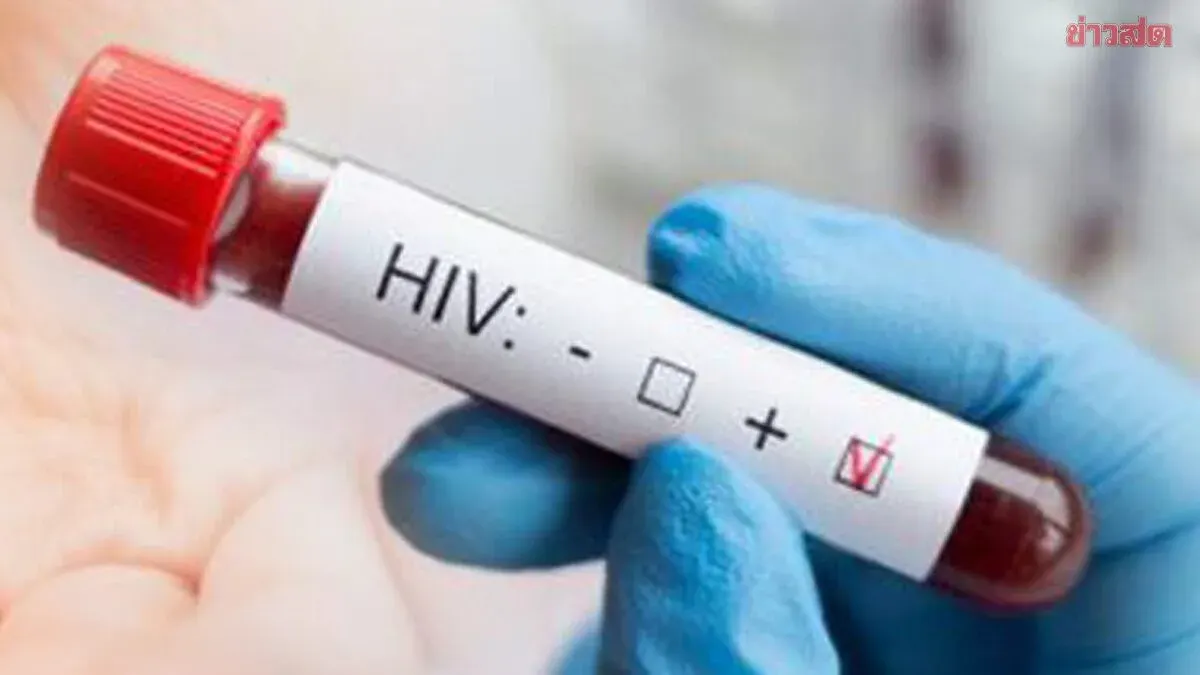
On August 6, Assoc. Prof. Dr. Opass Puthacharoen, deputy director of the AIDS and Infectious Diseases Research Center at the Thai Red Cross Society, revealed that while Thailand's treatment and prevention systems have improved substantially, the country still faces critical challenges. New HIV infections remain at approximately 8,000 to 9,000 cases annually—a figure that has barely changed over the past five to six years—despite the national target of reducing new cases to below 1,000 per year to end the AIDS crisis.
Dr. Opass explained that approximately 500,000 people currently live with HIV in Thailand, a cumulative figure that continues to increase as patients gain better access to treatment, improved quality of life, and longer lifespans. However, the stagnation in new infections is deeply concerning. Three decades ago, Thailand recorded approximately 170,000 new cases annually before prevention and treatment measures gradually improved the situation.
The primary obstacle to reducing new infections is not a lack of prevention tools—Thailand has both condoms and highly effective HIV prevention medications—but rather limited public awareness and access. Many Thais remain unaware of their personal risk or do not know that prevention services are available free of charge. Knowledge about HIV among the population, especially among people aged 15-24, remains insufficient despite some improvement compared to previous years.
Dr. Opass stressed that Thailand must integrate comprehensive, age-appropriate sexual health education into school curricula from an early stage, focusing on self-protection methods rather than abstinence alone. When asked whether the youth situation has reached crisis level, he affirmed it has and requires cooperation from policymakers, schools, parents, and young people themselves.
Achieving the national goal of ending AIDS by 2030 will be difficult without rapidly reducing new infections from the current 8,000-9,000 cases yearly to approximately 1,000 cases, requiring more effective measures than currently implemented. Key priorities include expanding prevention services and improving public education and awareness.