Thailand Reshapes Southern Peace Talks With New Malaysian Facilitator
The user wants a 1-2 sentence summary (120-220 chars, max 240) in English only. Must be factual, lead with what happened, then single most important detail. No filler. No quotes, no markdown. Let's craft. Key facts: Thailand and Malaysia ag
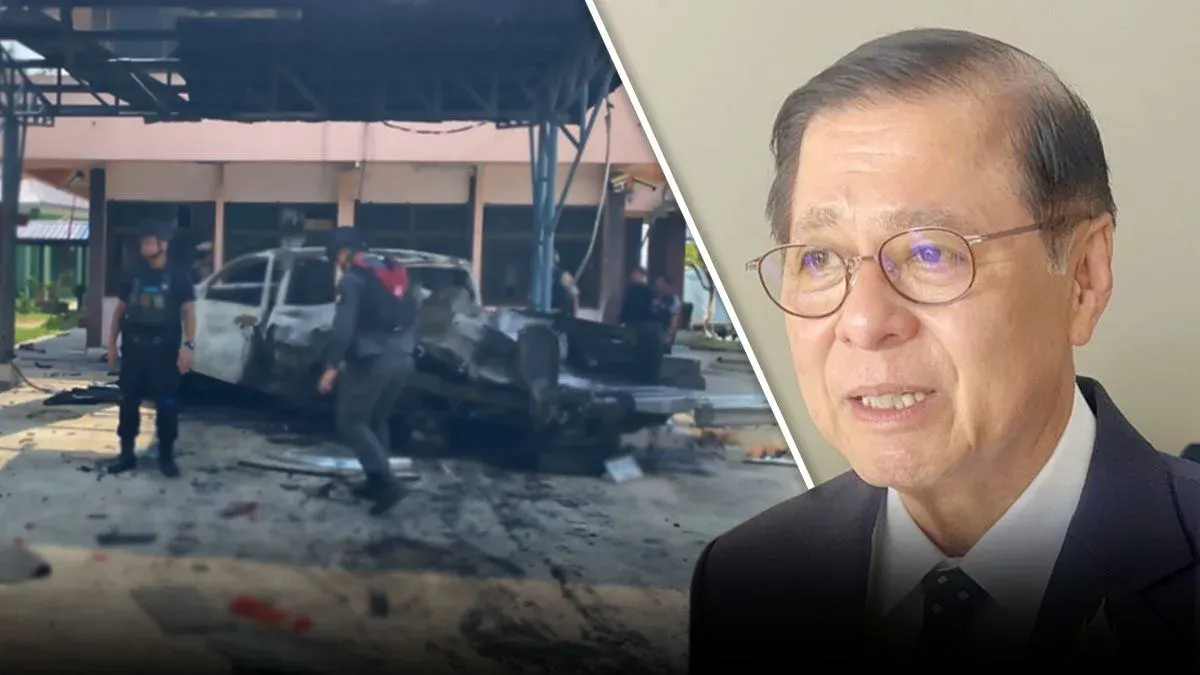
Deputy Prime Minister and Foreign Minister Sihasak Phuangketkeow disclosed the outcomes of discussions with the Malaysian Foreign Minister, which covered trade, investment, border province development, and the Southern insurgency issue. He stated that regarding the peace dialogue process facilitated by Malaysia, a new facilitator has been appointed — the former Malaysian Army Chief of Information — and he believes they will be able to work together effectively. Sihasak also emphasized that although Malaysia is the facilitator, Thailand owns the peace process, and dialogue with the BRN movement is considered vital because they are behind various incidents. There will be other issues in the talks as well, and all sectors must be consulted, particularly civilians, on matters of identity, livelihood, and education concerning the Southern border peace dialogue.
Previously, Pol. Lt. Col. Thawit Sodsong, leader of the Chart Thai Pattana Party and former Secretary-General of the Southern Border Provinces Administrative Centre (SBPAC), who played a key role in past peace talks, offered a noteworthy perspective. Pol. Lt. Col. Thawit pointed out that according to the strategic framework, by 2027 the Southern border provinces must see an end to conflict and the emergence of peace, akin to a social contract. Therefore, increasing budgets or weapons and equipment is not the true path to creating peace. The Chart Thai Pattana leader proposed that building peace inevitably requires open-minded dialogue, and local people must be allowed to determine their own future under the Constitution. Even when space is opened for armed groups to talk with armed groups, that is not enough — civilians must participate, listen, and help shape the future.
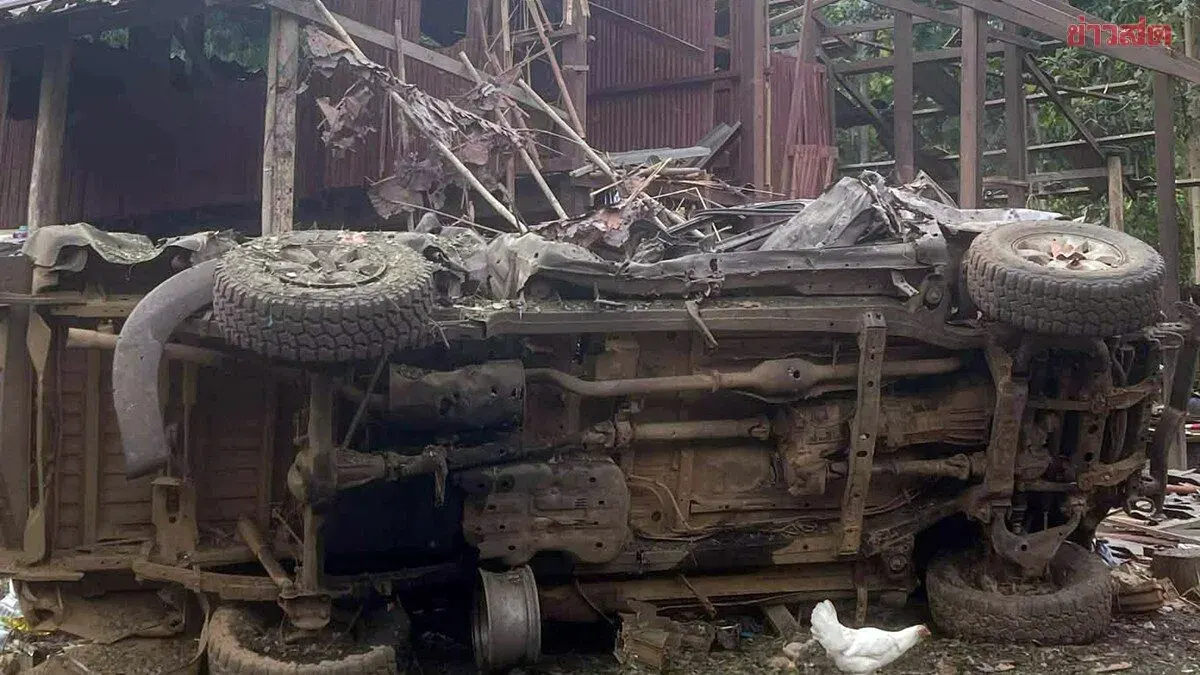
The Southern border unrest, dating back to the January 4, 2004 army camp raid, has now exceeded 22 years, yet no government has achieved lasting, sustainable peace. Past central governments poured budgets and personnel into prevention and suppression but could not operate smoothly; sporadic incidents continue to this day. The latest stance of Sihasak, as head of the government's special delegation and chair of the Southern border problem-solving strategy committee, or that of Pol. Lt. Col. Thawit, warrants serious consideration — especially the adjustment of the peace dialogue process. Therefore, beyond government representatives and insurgent groups, civilians should also take part, because local people are the ones who determine their own future.