Thailand Shifts to Opportunity-Based Approach for Aging Society
Thailand’s advisor to the Minister of Social Development and Human Security, Chaninthorn Rungthanakiat, urged a shift from aid to opportunity creation to cope with the nation’s fast‑aging population. Speaking at the UNFPA Global Leadership Meeting 2026, he highlighted low fertility, a growing elderly cohort, and the need for human‑capital development and societal resilience. The government plans to embed demographic resilience in national strategies and deepen its long‑standing partnership with UNFPA.
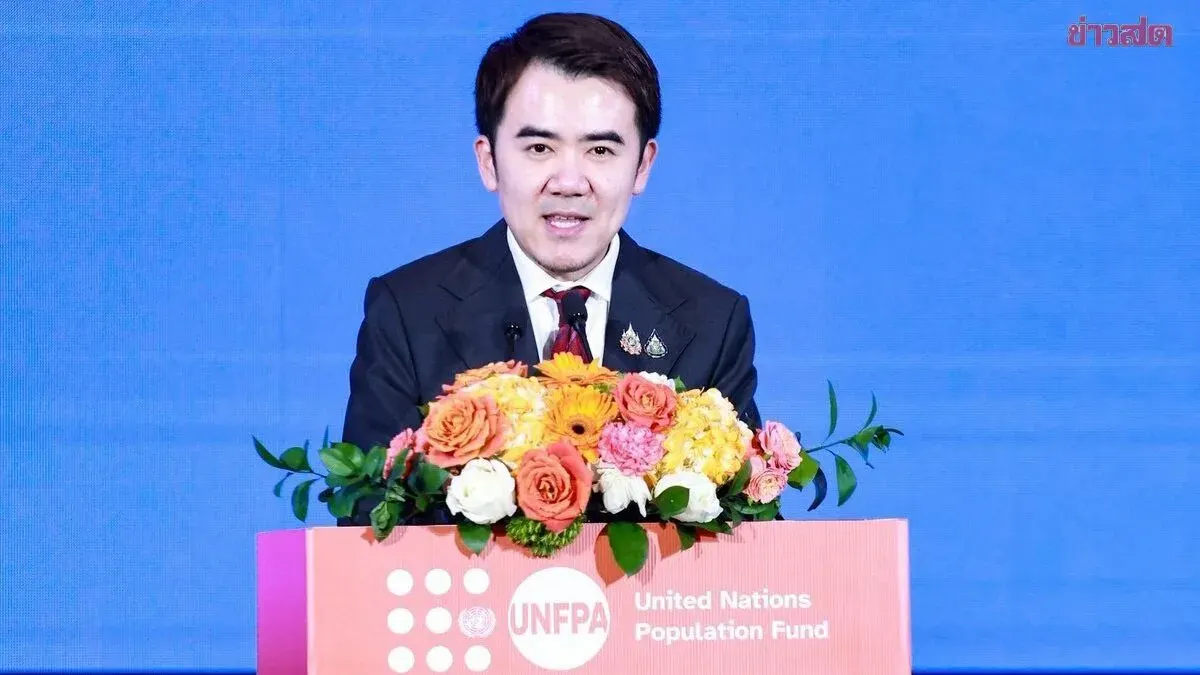
Chaninthorn Rungthanakiat said Thailand is entering an aging society quickly, with a fertility rate below 1.0 and over 20 percent of the population aged 60 or older. This brings challenges such as a shrinking workforce, rising demand for health and long‑term care, and pressure on economic growth and social protection systems. To respond, the government is focusing on demographic resilience, embedded in the national population and long‑term development plan (2022‑2030) and the 14th National Economic and Social Development Plan (2027‑2031). The Ministry of Social Development and Human Security aims to empower vulnerable groups and build an inclusive society capable of adapting to change, shifting from assistance to opportunity creation through evidence‑based social investment. He noted that UNFPA has been a trusted partner for over five decades, collaborating on population data, gender equality, healthy ageing, and demographic resilience. Thailand intends to share its experiences and learn from other ASEAN and regional partners, urging UNFPA and the UN system to deliver measurable results that translate into meaningful change for people and communities.