Thailand to Renegotiate Long-Term Power Contracts
Thailand will renegotiate long-term power contracts with private producers to align rates with current costs and international standards, with the Energy Policy Committee approving talks to begin immediately without cabinet review.
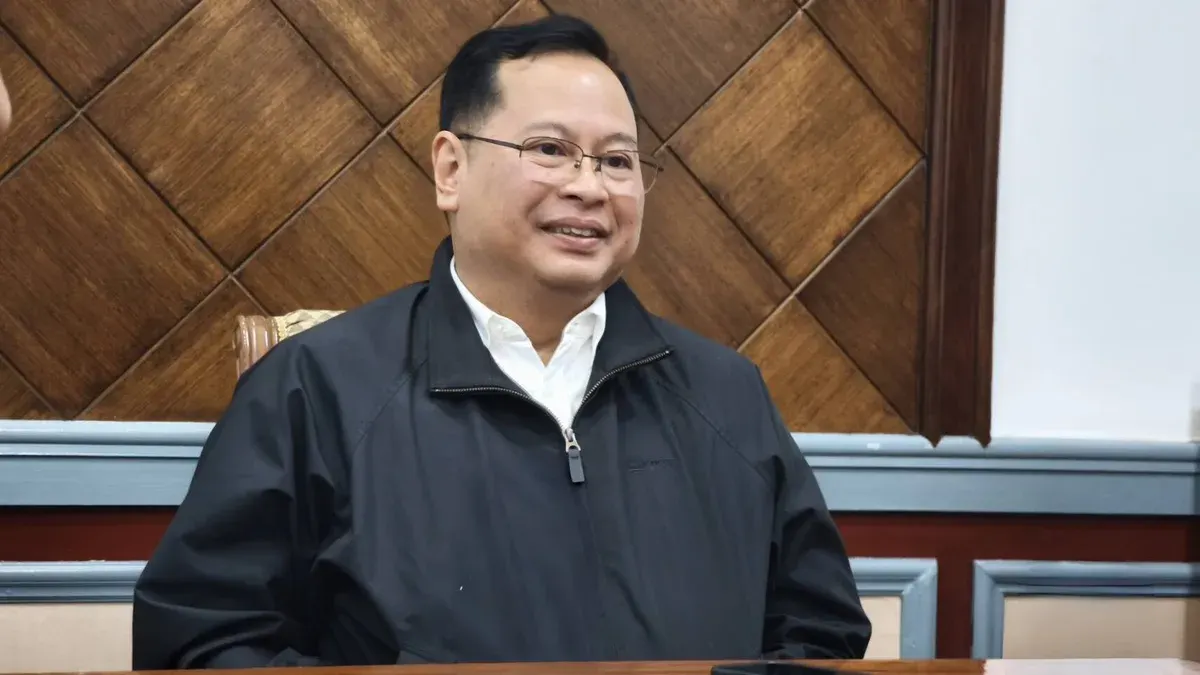
Deputy Prime Minister Pakorn Nilpraphan announced progress on renegotiating long-term electricity purchase agreements—commonly called perpetual contracts—with private power producers, a major issue directly impacting households and businesses. The National Energy Policy Committee approved the renegotiations on July 17, 2026, allowing the Electricity Generating Authority of Thailand to begin talks with private producers immediately without further cabinet approval.
Nilpraphan stated that no contract should remain fixed for the entire 50-year term without periodic review. International standards call for reviews every 10 years to account for inflation, cost changes, and shifting market conditions. Currently, the base purchasing rate stands at around 2.16 baht per unit, but production costs for some electricity types have declined, requiring a review of whether current prices still reflect true costs and are fair to consumers.
The committee is also examining availability payments, another cost component affecting electricity prices. Nilpraphan emphasized that renegotiating contracts is not contract cancellation and should not undermine investor confidence, but rather align Thailand with international standards. He noted that while the country may have offered high incentives in the past to attract new technology, market conditions and costs have since changed, warranting a review of terms.
Addressing electricity costs holistically, Nilpraphan said Thailand's Power Development Plan must be based on accurate scientific data rather than overestimating future energy needs. The country must clarify available power sources—natural gas, wind, solar, and others—and consider emerging technologies like small modular reactors and ASEAN Smart Grid, which would allow regional energy trading.