Thailand Urges SMEs to Tap Mexico's Natural Beauty Market
Thai SMEs are encouraged to tap Mexico's booming wellness and natural beauty market, where consumers increasingly prefer natural-ingredient skincare products valued at $2.2 billion annually. Mexican buyers spend roughly 6,000 baht monthly o
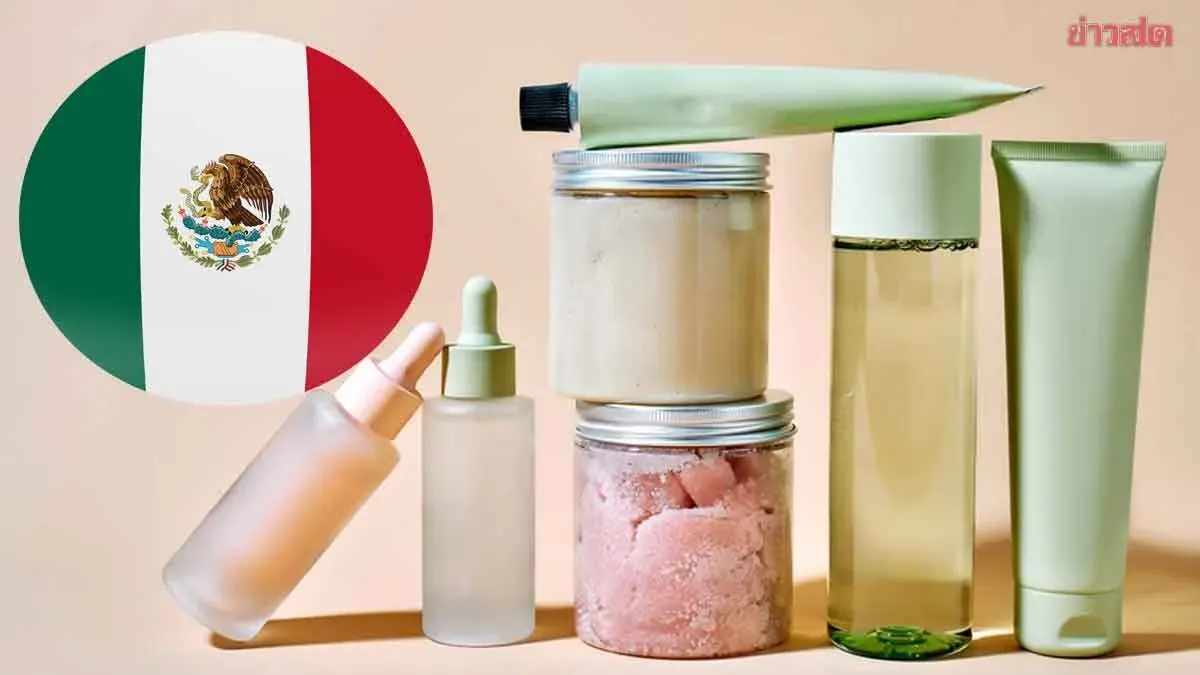
Thailand's Department of International Trade Promotion (DITP) is encouraging Thai small and medium enterprises to enter the Mexican market and capitalize on the booming wellness and natural beauty product sector. DITP Director Sunantha Kangwalkulgij announced that commercial attachés posted abroad have been instructed to survey trade routes and export opportunities in their host countries, following a policy initiative by Deputy Prime Minister and Commerce Minister Supratip Suthappenpant. The Bangkok trade office in Mexico City has reported on the surging wellness beauty trend in Mexico and the potential for Thai SMEs to expand into that market.
Mexican consumers are increasingly viewing skincare products as health essentials rather than luxury items, with a strong preference for natural ingredients and long-term skin health solutions. This shift is driving continuous market growth fueled by rising popularity of self-care and wellness trends. According to the Mexican cosmetics industry association (CANIPEC), Mexico's skincare market is valued at approximately 2.2 billion U.S. dollars in 2025, with fast-growing segments including sunscreen products at 13.10 percent growth, fragrances at 11.90 percent, and skincare care products at 9.30 percent. Mexican consumers spend an average of 2,997 pesos (roughly 6,000 baht) monthly on health and skincare products, reflecting a fundamental shift from luxury goods to everyday essentials.
This trend is supported by changing consumer behavior, particularly among younger generations who prioritize holistic health management through exercise, healthy eating, and daily skincare routines. Skincare product use is no longer limited to women as it was historically but is expanding across all genders and age groups. Social media and beauty content play a critical role in educating consumers about skincare ingredients and encouraging product experimentation, making consumers more knowledgeable about product ingredients, efficacy, and personal suitability. Competition in the market now depends not only on brand reputation but also on product quality, ingredient credibility, and real results that address individual consumer needs.
There is also growing demand for products with natural ingredients, skin-safe formulations, and preventive skincare solutions. Consumers increasingly seek products that protect skin from sun damage, pollution, and urban stress. Manufacturers are increasingly turning to plant-based materials and natural extracts, particularly Mexican native plants like aloe vera, prickly pear cactus, and local botanical ingredients being developed as key components in new skincare formulations. This reflects a fundamental shift in Mexico's skincare market from competing on beauty image to competing on health, safety, and ingredient efficacy.
Sunantha noted that the growth trend of Mexico's skincare market represents an attractive opportunity for Thai entrepreneurs in the cosmetics sector.