Lanta & News
No. 01 · ENDLESS
National

Thailand Warns Athletes on Banned Substances Before Asian Games

Thailand's Sports Authority is warning athletes about banned substances before the Asian Games, emphasizing prevention through education rather than punishment for violations.

Thailand Warns Athletes on Banned Substances Before Asian Games
19 Jul Khaosod

Thailand's Sports Authority (SAT) is warning Thai athletes to exercise caution regarding banned substances before competing in the 20th Asian Games. The organization is conducting ongoing educational training sessions for sports federations and athletes to raise awareness and promote preventive measures from the start rather than addressing violations afterward.

Dr. Kongsakd Yodmanee, director-general of SAT, stated that this year the authority has been providing continuous education on banned substances to all sports federations and athletes ahead of various sporting events. He emphasized that prevention is far better than correction, as this is critically important on the international sports stage. The SAT director expressed confidence that Thai athletes will face no banned substance issues during the Asian Games, given that all parties have implemented stringent preventive measures. He acknowledged that while unintentional technical violations may occur—such as through food or medication consumption—no athlete would intentionally violate the rules.

The SAT has consistently stressed the importance of vigilance regarding banned substances, implementing educational outreach regularly in line with standards set by the World Anti-Doping Agency (WADA). WADA officials will conduct random doping tests throughout the competition. Dr. Kongsakd concluded by confirming that Thais will be able to watch the 20th Asian Games for free, with live broadcasts on T SPORTS 7 as the primary channel and additional broadcasts through partner networks. The SAT invites Thai sports fans to follow along and cheer on Thai athletes throughout the competition.
No. 01 of Read at source → Next
Police

Arrest Warrant Issued in Brutal Udon Thani Murder Case

An arrest warrant has been issued for a man accused of brutally murdering a 35-year-old in Udon Thani province, with police citing skull fragments and other evidence found at his residence as key proof of the crime.

Arrest Warrant Issued in Brutal Udon Thani Murder Case
19 Jul Khaosod

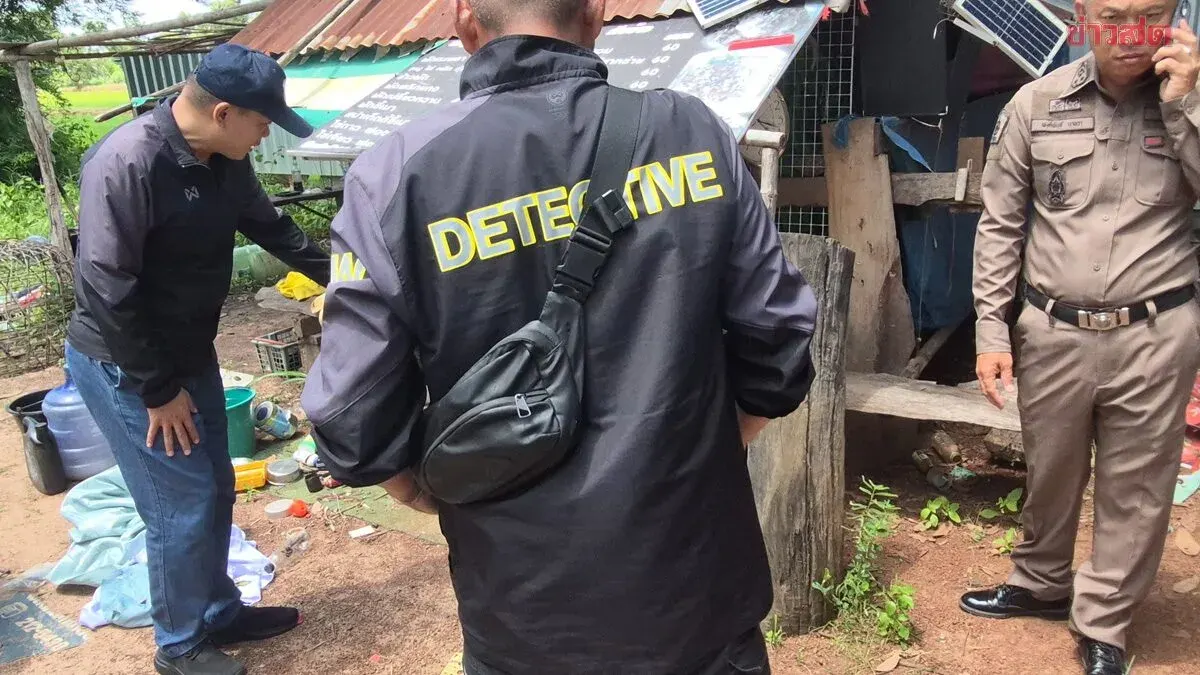
On July 19, 2025, police reported progress in a shocking murder case at a hut in Ban Suk Sabai village, Baan Dung district, Udon Thani province. The body of Somsakdi, nicknamed "Tong," 35, was discovered with signs of extreme violence: seven stab wounds, decapitation, and the removal of genitalia. Police Lt. Ekaphop Anektrupsaipal, deputy superintendent and lead investigator at Baan Dung Station, stated that investigators have gathered sufficient evidence for the court to issue an arrest warrant on two charges: intentional murder and corpse concealment or destruction. The critical evidence includes human skull fragments found hidden in the suspect's residence, which will be sent for detailed DNA analysis to the Khon Kaen Forensic Center for comparison with remains previously discovered at the hut. At Mueang Udon Thani Station, where the suspect is being held, the atmosphere remains calm. During the morning, relatives, his son, and village elders visited to offer encouragement and support. According to the detention officer, the suspect showed normal behavior throughout the night with no signs of distress or psychosis. He spent most of the time chanting prayers in his cell before resting. Background checks revealed no psychiatric medical records. Villagers described him as someone who regularly visits temples for merit-making. During earlier detention, he repeatedly chanted prayers and protested his innocence. Despite clear evidence, the suspect continues to deny all charges and remains silent about the circumstances and motives. Today at approximately 11:00 a.m., investigators will conduct formal questioning with a lawyer present, as this case carries severe penalties. Police have not ruled out premeditated murder and are urgently collecting forensic evidence to determine whether accomplices were involved in this shocking crime, with intent to prosecute all responsible parties.

No. 02 of Read at source → Next
National

Thailand Expands Western China Tourism Through New Airlines Deal

Prime Minister Anutin Charnvirakul has advanced bilateral trade, investment, and tourism during his visit to China by presiding over the Thailand-China (Sichuan) Investment and Economic Forum 2026 on ...

19 Jul Thailand.go.th Issues

Prime Minister Anutin Charnvirakul has advanced bilateral trade, investment, and tourism during his visit to China by presiding over the Thailand-China (Sichuan) Investment and Economic Forum 2026 on ...

No. 03 of Read at source → Next
National

Recognize Warning Signs of Acute Coronary Syndrome

Chest tightness and radiating arm pain are critical warning signs of acute coronary syndrome, Thailand's leading cause of death; the Thoracic Disease Institute urges immediate hospital treatment since faster diagnosis reduces heart muscle d

Recognize Warning Signs of Acute Coronary Syndrome
19 Jul Khaosod

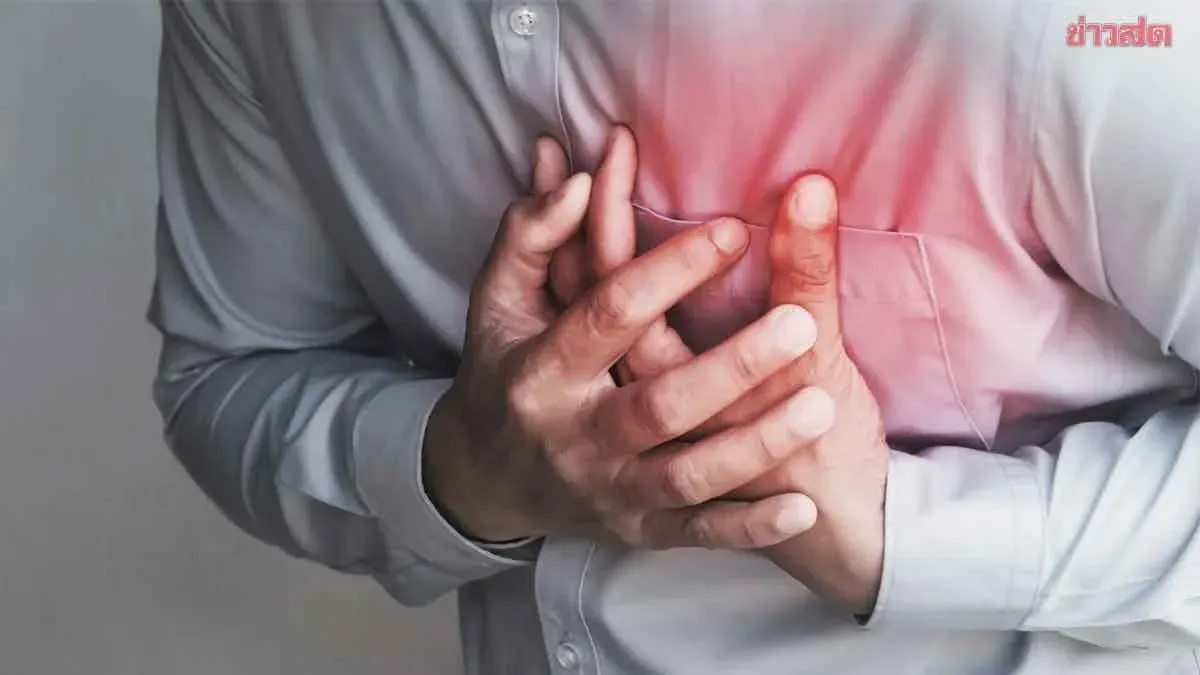
The Thoracic Disease Institute has released educational information about acute coronary syndrome (ACS), one of Thailand's leading causes of death. The institute emphasized that chest tightness is a critical warning sign of acute coronary artery disease. ACS is among the top causes of death in Thailand and globally, and the faster it is diagnosed and treated, the less heart muscle damage occurs. However, many patients reach doctors too late or are misdiagnosed with stress, anxiety, or ordinary muscle pain when their hearts are actually experiencing blood shortage. To help the public and caregivers understand warning signs, diagnostic methods, treatment, and ongoing care so patients can seek hospital treatment promptly:

1. What is acute coronary artery narrowing? The heart is nourished by three main coronary arteries. When fat accumulates in artery walls and thickens gradually, it is called "coronary artery narrowing." If the fat deposit suddenly ruptures, the body forms a blood clot that blocks blood flow to heart muscle, causing "acute heart ischemia" or what is commonly called "heart attack," which can be life-threatening within hours if untreated.

2. Symptoms of acute coronary artery disease. Common symptoms that should immediately suggest acute heart ischemia include: tightness, heaviness, pressure, or squeezing in the center of the chest—usually not sharp stabbing pain but rather a feeling of "tightness" or "something heavy pressing down." Pain may radiate to the arms, shoulders, neck, jaw, or back, especially the left arm. Sudden sweating without cause, accompanied by paleness, cold skin, unusual fatigue, heart palpitations, shortness of breath especially with exertion, nausea, vomiting, and dizziness. Some patients experience only these symptoms without clear chest pain. Symptoms persist for more than 15-20 minutes and do not improve with rest. "Unclear" symptoms to watch for, especially in elderly patients and diabetics, may lack obvious chest pain but include unusual fatigue, shortness of breath, mild chest tightness, and extreme weakness without apparent cause. Anyone with these symptoms and risk factors should see a doctor immediately. Young age does not mean no risk—high blood cholesterol, smoking, stress, heredity, and obesity can cause this condition even in people in their early 30s. If acute coronary syndrome is suspected, a 12-lead EKG should be performed for diagnosis.

3. Diagnostic approaches for acute coronary artery disease. When a patient presents with symptoms consistent with heart ischemia, the medically accepted standard of care includes: electrocardiogram (EKG/ECG) within the first 10 minutes of arrival at the emergency room—a simple, rapid test providing critical diagnostic information; blood tests measuring cardiac enzymes (troponin) to determine if heart muscle is damaged, with possible repeat testing at appropriate intervals since levels may not rise in the first hours; detailed medical history including symptom characteristics, duration, triggers, and risk factors such as high cholesterol, high blood pressure, diabetes, smoking, and family history; basic physical examination including heart and lung auscultation and vital signs; and echocardiogram (ultrasound of the heart), which can be performed at the bedside as a painless ultrasound examination.

No. 04 of Read at source → Next
Police

Mother, 2-Year-Old Child Found Dead in Bedroom

A 27-year-old woman and her 2-year-old daughter were found dead in their home in Sisaket province on July 18, with evidence suggesting the mother asphyxiated her child before taking her own life following marital conflict.

Mother, 2-Year-Old Child Found Dead in Bedroom
19 Jul Khaosod

Police in Uthumphon Phisai district, Sisaket province, responded to a report of deaths on the evening of July 18 at 11:13 p.m. Officers found a 27-year-old woman, identified as Ms. A, and her 2-year-old daughter, Ms. B, dead in a single-story concrete house. Both bodies showed signs of prolonged death, with the child's face discolored.

A handwritten note was found expressing despair, stating "I'm sorry, I can't handle this anymore, there is no happiness." The note was accompanied by 3,527 baht left for the mother's care. An autopsy of the child revealed scratch marks around her neck, suggesting the mother may have asphyxiated her daughter before taking her own life.

The aunt revealed that the mother had been withdrawn and isolated with her child, rarely socializing with relatives. She mentioned the mother had spoken of marital difficulties, with the husband reportedly spending time with friends. A phone call overheard in the afternoon of July 18 contained the statement "If you don't care, let's divorce," which may have triggered the tragic act. The mother had prepared a curry dish that remained uneaten, suggesting the decision was made suddenly after midday.

No. 05 of Read at source → Next
National

Thai Brand Sabina Merges Eco Fashion With Activewear

Thai fashion brand Sabina launches an eco-conscious activewear collection using recycled materials like repurposed fishing nets, reducing water use and waste throughout production.

Thai Brand Sabina Merges Eco Fashion With Activewear
19 Jul Khaosod

As consumers increasingly prioritize environmental concerns, eco-friendly products have undeniably become a major trend in the global fashion industry, including Thailand, where fashion brands are now seriously adopting sustainability concepts.

Sabina is one noteworthy Thai brand presenting an Eco Fashion product line under the Earth Day concept, which perfectly demonstrates the blend of activewear and environmental responsibility.

Key Highlights of Sabina's Eco-Friendly Products

The collection was designed under the Sustainable Fashion concept, which emphasizes reducing environmental impact at every production stage:

- Uses recycled materials, such as fibers from repurposed fishing nets - Production processes reduce water consumption and factory waste - Zero-waste approach to reduce textile industry pollution - Easy-to-wear design suitable for activewear and urban lifestyles

Beyond sustainability, the designs maintain contemporary style and ease of wear, perfect for younger lifestyles that demand both comfort and good appearance simultaneously. This elevates activewear from mere workout clothing to part of an eco-conscious lifestyle.

When Eco Fashion Becomes a Lifestyle

Eco-fashion is no longer merely a temporary trend but is becoming a long-term consumer behavior, particularly among urban groups who value health and the environment. Choosing eco-friendly products has become a way of expressing social responsibility.

Modern consumers no longer focus solely on product aesthetics; they also care about origin and production processes—something Sabina clearly addresses through its Earth Day collection. Sabina's eco-friendly offerings represent a genuine example of blending fashion and sustainability, whether activewear or eco-fashion, reflecting a new mindset of more environmentally conscious dressing.

No. 06 of Read at source → Next
National

Thais Fear Gray Money And Nominees As Major Threat

A Thai poll found overwhelming concern about foreign residents' illegal activities, with 94% viewing money laundering as highly dangerous and 82% citing the use of Thai nominees to hold land as a major threat.

Thais Fear Gray Money And Nominees As Major Threat
19 Jul Khaosod

The Nida Poll survey center at the National Institute of Development Administration released findings on July 19, 2024, regarding "foreigners breaking the law," surveying 1,310 people aged 18 and older across all regions and income levels between July 13-15, 2024, about unlawful behavior by foreign residents in Thailand.

When asked about the dangers of foreign residents' illegal activities in Thailand, respondents ranked the following threats:

1. Foreign investment in illegal businesses or money laundering operations: 94.05% said highly dangerous, 5.42% fairly dangerous, 0.30% not very dangerous, 0.15% no answer, and 0.08% not dangerous.

2. Hiring Thai nominees to hold land ownership: 82.14% said highly dangerous, 14.81% fairly dangerous, 2.14% not very dangerous, 0.76% not dangerous, and 0.15% no answer.

3. Hiring Thais as legal guardians for foreign children to obtain Thai nationality: 81.76% said highly dangerous, 14.20% fairly dangerous, 3.05% not very dangerous, 0.76% not dangerous, and 0.23% no answer.

4. Operating hub businesses where foreign investors monopolize and control all transactions within their own ethnic networks, depriving Thais of income: 81.29% said highly dangerous, 15.65% fairly dangerous, 1.91% not very dangerous, 0.92% no answer, and 0.23% not dangerous.

5. Hiring Thai nominees to open businesses or hold majority shares: 81.21% said highly dangerous, 15.88% fairly dangerous, 2.37% not very dangerous, 0.46% not dangerous, and 0.08% no answer.

6. Large-scale settlement creating foreign communities or towns: 77.48% said highly dangerous, 17.79% fairly dangerous, 3.89% not very dangerous, 0.61% not dangerous, and 0.23% no answer.

7. Foreigners working beyond their authorized work permits: 72.98% said highly dangerous, 23.13% fairly dangerous, 3.51% not very dangerous, 0.23% not dangerous, and 0.15% no answer.

8. Foreigners entering occupations reserved for Thais, such as driving, tour guiding, or conducting tours: 65.42% said highly dangerous, 27.86% fairly dangerous, 5.65% not very dangerous, 0.69% not dangerous, and 0.38% no answer.

No. 07 of Read at source → Next
Community

Banned Thai Boxer Defends Herself Against Discipline Claims

Thai boxer Saidaneia Lookthaew has been banned from competing by her camp for discipline violations, but she denies the allegations and says she has trained consistently despite a cancelled July 27 international fight.

Banned Thai Boxer Defends Herself Against Discipline Claims
19 Jul Khaosod

Lookthaew Krongdin boxing camp announced a ban on fighter Saidaneia Lookthaew from competing in Thai boxing both domestically and internationally, citing her failure to comply with camp discipline and agreements. The camp notified all promoters, event organizers, and boxing industry personnel of the suspension pending an official announcement of any changes.

Saidaneia has since posted a statement addressing the controversy, denying allegations of misconduct and inadequate training. She thanked everyone for their support and apologized to those who may have felt disappointed or uncomfortable about the situation.

Over recent days, various stories about Saidaneia have circulated. Today she wanted to speak for herself directly and honestly from her perspective. Regarding claims that she violated discipline and failed to train, Saidaneia firmly states this is "untrue." Despite being asked to leave the camp and having her scheduled international fight on July 27 cancelled—a decision not her own—she has continued training consistently every day for nearly two months. For her, boxing is not merely a profession but a dream, her life, and what she loves most.

On the religious matter, Saidaneia acknowledged that the camp's explanation is factually correct. However, there is one thing she cannot change: being herself. She never imagined that who she is would disappoint her family and many others. Regardless of how people perceive her gender, in her heart she remains the same child who loves, respects, and is grateful to her parents.

Finally, Saidaneia does not expect everyone to agree with her life path, but asks only for the chance for people to understand that she is simply an ordinary person living honestly according to her heart and never intending to harm anyone. She expressed gratitude to those who believe in her and see her for who she truly is. Most importantly, she apologized to her parents if she has disappointed them, while reaffirming her love, respect, and gratitude toward them always.

No. 08 of Read at source → Next
National

New State Welfare Card Recipients: Key Timeline and Steps

Over 9.5 million applicants qualified for Thailand's 2025 State Welfare Card program, with existing cardholders able to access benefits from August 1 and new recipients required to complete identity verification by January 2026 to start usi

New State Welfare Card Recipients: Key Timeline and Steps
19 Jul Khaosod

The Finance Ministry has announced that 9.51 million applicants have qualified for the 2025 State Welfare Card program out of 18.82 million registrants. Existing cardholders who qualified can begin using their benefits from August 1, 2025, while new recipients must complete additional steps to activate their cards.

New recipients must undergo identity verification (e-KYC) between July 17, 2025, and January 12, 2026, through either the Pao Tang mobile application or registration at one of five participating banks: Bank for Agriculture and Agricultural Cooperatives, Government Savings Bank, Krung Thai Bank, Bank for Housing and Community Development, and Islamic Bank of Thailand. Those seeking to appeal their eligibility status can submit requests between July 17–31, 2025, with results announced on September 21, 2025. New recipients who complete all requirements can begin using their welfare benefits from October 1, 2025.

No. 09 of Read at source → Next
Police

90-Year-Old Woman Found Dead in Forest After Hours

A 90-year-old woman was found dead in a forest in Uthai Thani Province after wandering from her home; police suspect heat stroke or a fall caused her death.

90-Year-Old Woman Found Dead in Forest After Hours
19 Jul Khaosod

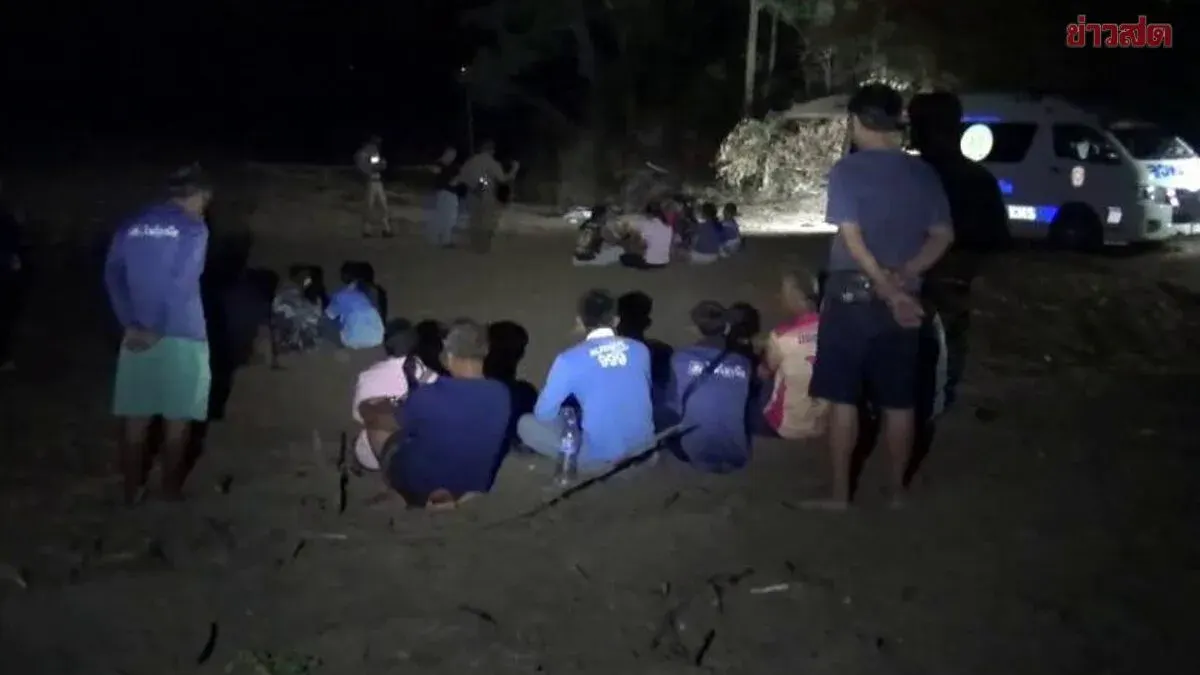
On July 19, 2025, police from Ban Rai station in Uthai Thani Province received a report at 6:30 p.m. on July 18 of a death in a forested area in Moo 10, Ban Phluang Thong, Hu Chang subdistrict, Ban Rai district. Officers, doctors, and rescue workers responded to find the body of 90-year-old Boonchoo (surname withheld) lying face-down near the village forest. The body showed a laceration on the head approximately 1 inch long, abrasions on the body, and had been deceased for at least 8 hours. A wooden log and blood traces were found at the scene. A wallet containing 60 baht in cash was recovered from the body.

The deceased's daughter, Lamyuan (surname withheld), stated that two years prior, her mother's house had burned down and she had since moved in with her daughter about 200 meters from where she was found. On the day of the incident, the daughter had left at 4:00 a.m. to seek medical care in Suphanburi, leaving her mother alone at home. Upon returning after dark and finding her mother missing, the daughter searched nearby homes and relatives' houses without success. She then remembered her mother had mentioned wanting to collect betel nuts at her burned house two days earlier. While searching the forest edge, she discovered her mother lying on the ground and immediately alerted neighbors and police.

Deputy Inspector Monthian stated that investigation of the scene revealed no signs of struggle. He suggested the death may have resulted from heat stroke, as the body showed signs of prolonged sun exposure causing darkening of the skin. The head laceration could have occurred from a fall, and the blood traces may be betel nut juice from the deceased's habitual betel nut chewing. Soil samples from the blood area were collected for examination, and the body was sent to Sawaenprachaket Hospital for further autopsy to determine the exact cause of death.

No. 10 of Read at source → Next
Police

Renowned Photographer Anuchiт Sunthorkitti Dies in House Fire

Renowned fine art photographer Anuchiт Sunthorkitti and his wife died in a Bangkok house fire on July 18, with electrical short-circuiting as the preliminary cause; 73 of their rescued stray cats also perished in the blaze.

Renowned Photographer Anuchiт Sunthorkitti Dies in House Fire
19 Jul Khaosod

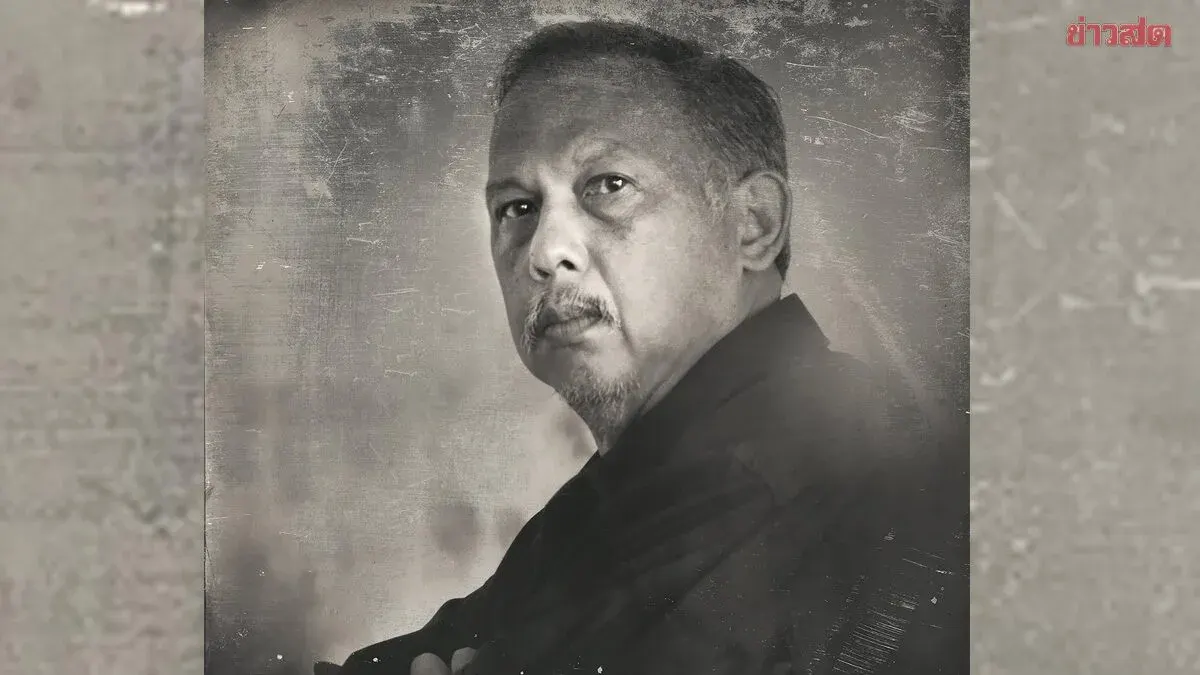
On July 19, authorities reported a house fire in Soi Somdet Phra Chao Taksin 11, Thonburi district, Bangkok, that claimed two lives—a man and woman—along with numerous cats. The deceased were identified as Anuchiт Sunthorkitti, an ASEAN-level fine art photographer, and his wife. The fire occurred on July 18 and is preliminarily attributed to electrical short-circuiting at the lower floor breaker panel, with 73 pet cats found dead and 17 rescued. Students and photography professionals have posted tributes to the master photographer and his wife.

Anuchiт Sunthorkitti was a renowned Thai master of fine art photography who defined himself not as a photographer or artist, but simply as "a man observing the world's changes." He and his wife were known for their compassion in caring for stray cats left at their home for decades.

Born in 1964 in Saraburi Province, Sunthorkitti studied at Bangkok Christian College and earned a bachelor's degree in industrial education with a focus on architecture in 1987. He initially worked in architectural design and interior decoration, then taught architecture and art history from 1992 to 2000. He began self-studying photography in 1985 using a Pentax K1000, initially exploring relationships between nature, environment, and humanity, particularly birds and wildlife. In 2008, he transitioned to digital photography and computer-based post-processing, developing greater creative control over his final presentations.

In 2009, he developed his signature style called "Dynamic in the City," exploring urban environments, movement, and human emotion through spatial composition, color, light, and time. His architectural background profoundly influenced his photographic language, particularly his focus on relationships between people and space, and emotions created by light, shadow, and surroundings. Bangkok's Hua Lamphong Railway Station became one of his key subjects, which he viewed as a repository of stories about time, travel, and human life.

No. 11 of Read at source → Next
Loading more…
Endless reading Scroll to read. When you reach the bottom, keep scrolling. A bar fills, and the next story slides in when it's full. ↑ ↓ or Space Or use the arrows at the bottom of the screen.