Transport Minister Unveils Major Highway, Rail Expansion Plans
The user wants a short summary of the article, 1-2 sentences, 120-220 characters, max 240. Must be in English only. No filler. Lead with what happened, then most important detail. No title repetition. Output only summary text. Let me parse
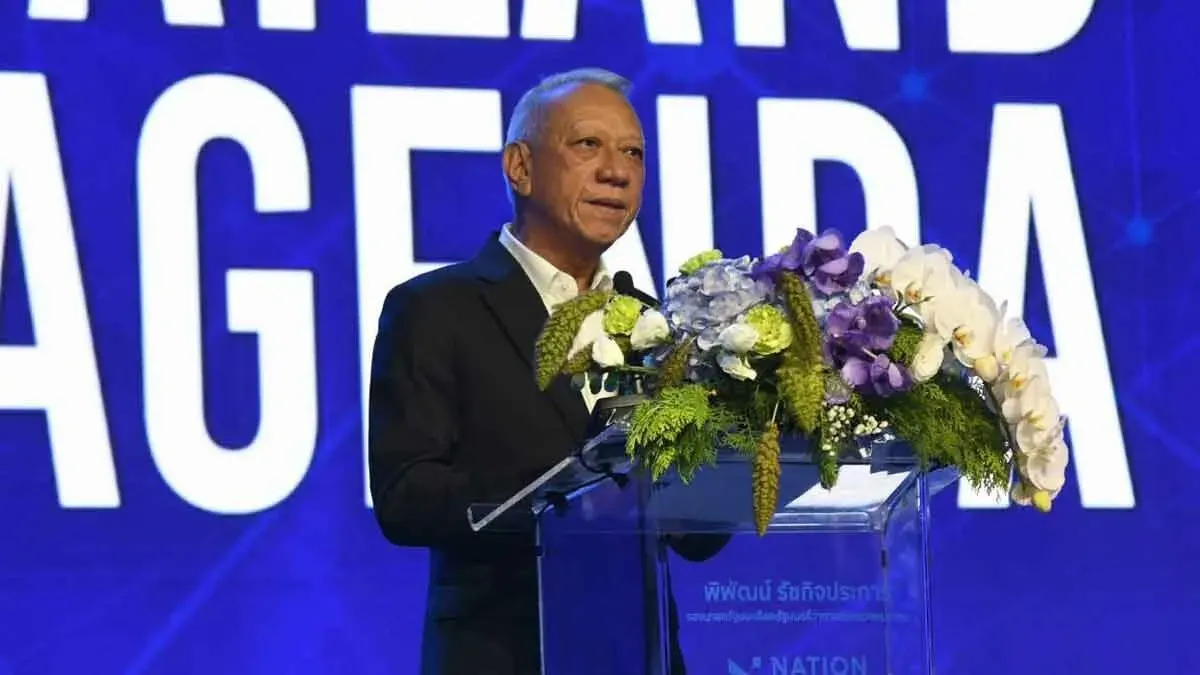
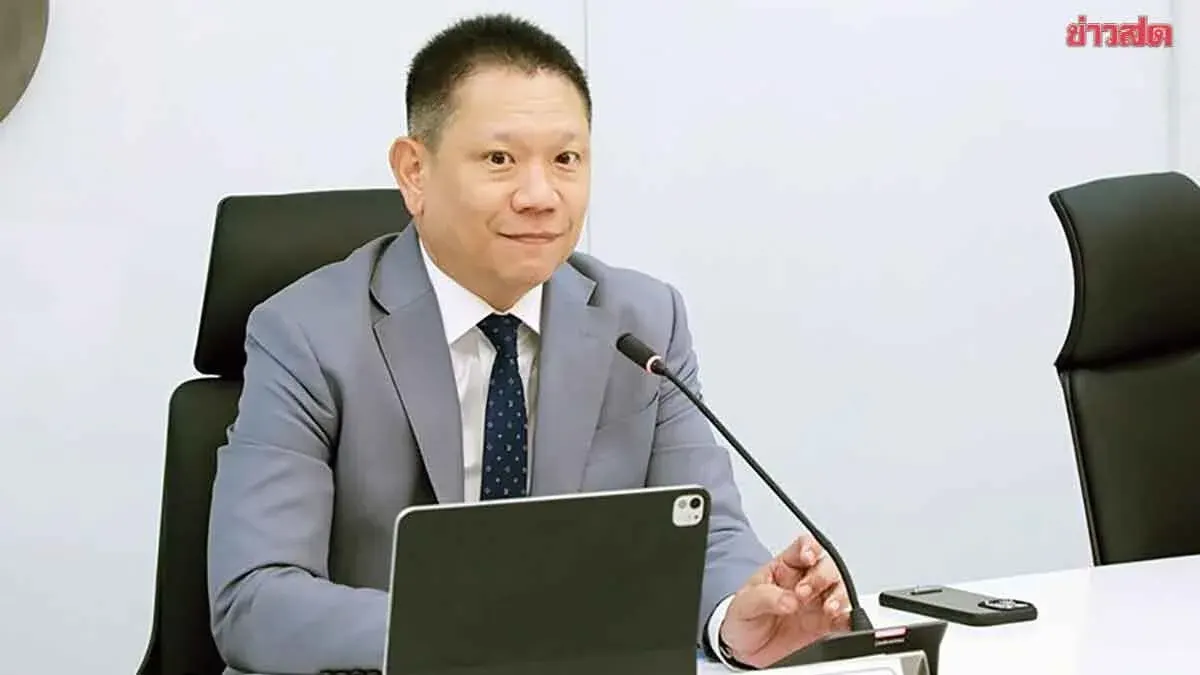
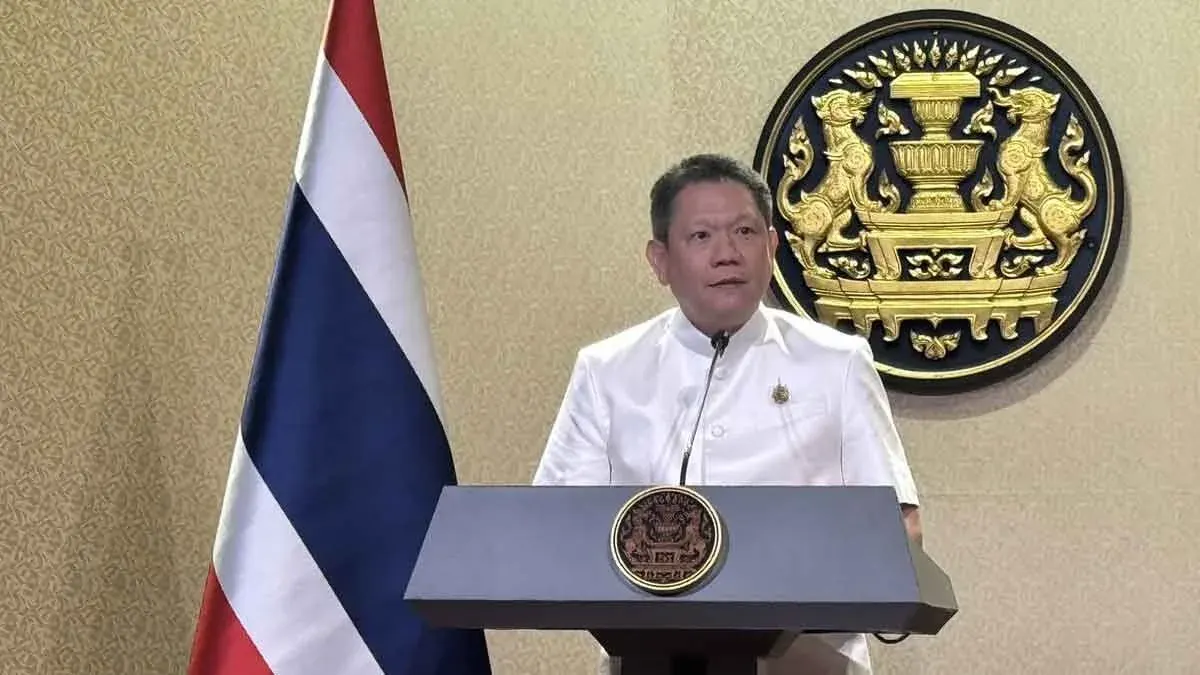
Deputy Prime Minister and Transport Minister Phiphat Ratchakitprakarn revealed plans to upgrade the country's transport infrastructure, stating the M6 Motorway from Bang Pa-in to Nakhon Ratchasima will open permanently on December 25, 2026, after currently operating only on Fridays, Saturdays, and Sundays.
For southern travel, the Ministry of Transport is preparing long-term congestion solutions. In 2027, a parallel highway project will proceed from Nakhon Pathom to Pak Tho, through Kaeng Krachan, ending at Prachuap Khiri Khan to relieve pressure on Rama II Road. The stretch from Prachuap Khiri Khan to Chumphon is under negotiation to expand Phetkasem Road from four to eight lanes, with the central four lanes elevated as a motorway allowing continuous long-distance traffic without traffic signals, while side roads serve local district and provincial access.
Phiphat said funding will come partly from the Motorway Fund, with the remainder raised through the Thailand Future Fund in coordination with the Finance Ministry, which he believes will unlock chronic southern travel bottlenecks and provide more convenient route options.
On rail, Thailand currently has about 1,111 kilometers of completed dual-track railway, with over 900 kilometers under construction and another 500 kilometers in procurement, targeting a nationwide dual-track network of approximately 2,800 kilometers. The northern route connecting to southern China via Den Chai–Chiang Rai–Chiang Khong targets completion around 2028, while Khon Kaen–Nong Khai linking to the Laos-China railway aims for 2031, and the Nakhon Ratchasima–Ubon Ratchathani line targets 2034.
For the south, the Cabinet has approved dual-track projects from Chumphon–Surat Thani, Surat Thani–Hat Yai, and Hat Yai–Padang Besar, while Hat Yai–Pattani–Su-ngai Kolok is under study and design targeting 2027 completion to connect the rail network into Malaysia on both west and east coasts.
Once complete, trucks will shift to a feeder role within 150 kilometers, collecting goods from factories or production areas to rail stations before onward transport by rail, reducing long-haul trucks on highways, easing congestion, and improving freight efficiency.
Additionally, the ministry plans to extend the M5 Motorway from Din Daeng–Don Mueang to Bang Pa-in interchange, approximately 21 kilometers, with procurement expected in 2028 to better connect the motorway network into Bangkok and the central region.
Phiphat emphasized that linking Thailand to the global economy requires both sea and air routes. Laem Chabang Port currently handles about 10 million TEU and is expanding Phase 3, expected to add another 7 million TEU capacity within four years. After canceling the Chumphon–Ranong Landbridge, the ministry is studying a deep-sea port on the Andaman coast for direct access to the Indian Ocean, Middle East, and Europe, alongside a new deep-sea port on the upper Gulf of Thailand to link both coasts via rail.
On air cargo, though accounting for less than 1% of total export volume, it represents about 33% of export value, roughly 3.5 trillion baht annually. Suvarnabhumi currently handles about 1.7 million tons of air cargo yearly, and when Cargo Terminal 3 opens in 2029, capacity is expected to increase by another 600,000–700,000 tons.