Prime Minister Sets Flood War Room for Central Thailand
We need to produce a short summary in English, 1-2 sentences, 120-220 characters, max 240 characters. Must lead with what happened then the single most important detail (who, where, or when). Must not repeat title verbatim. No filler. We ne

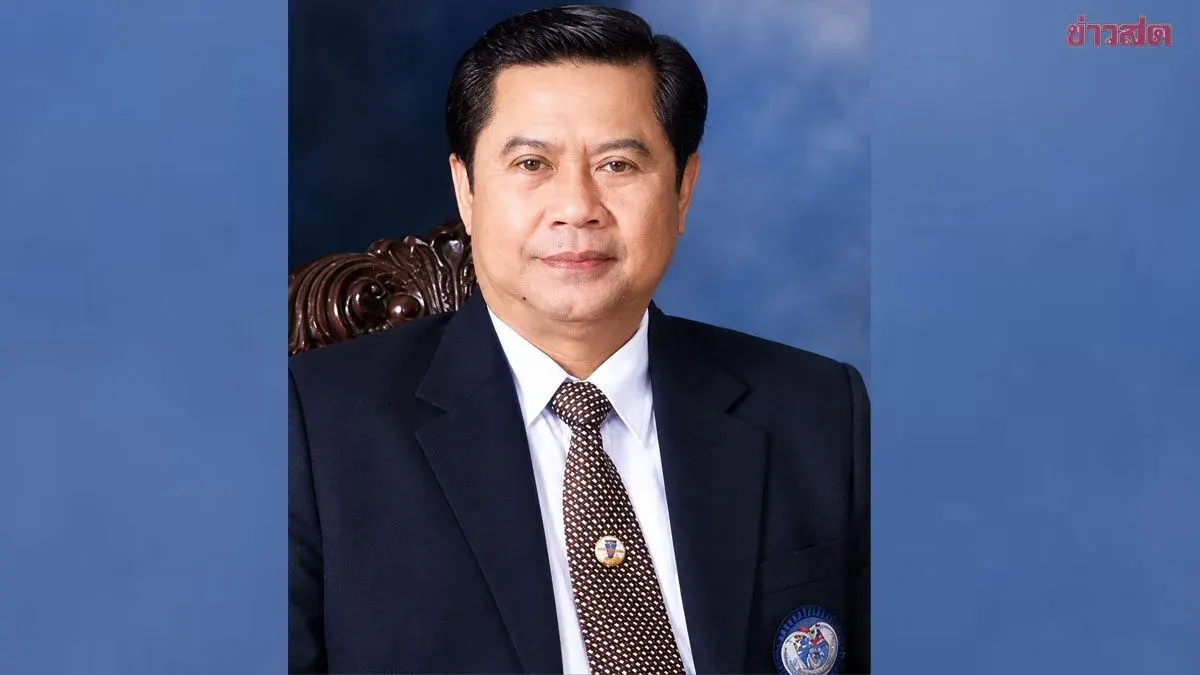
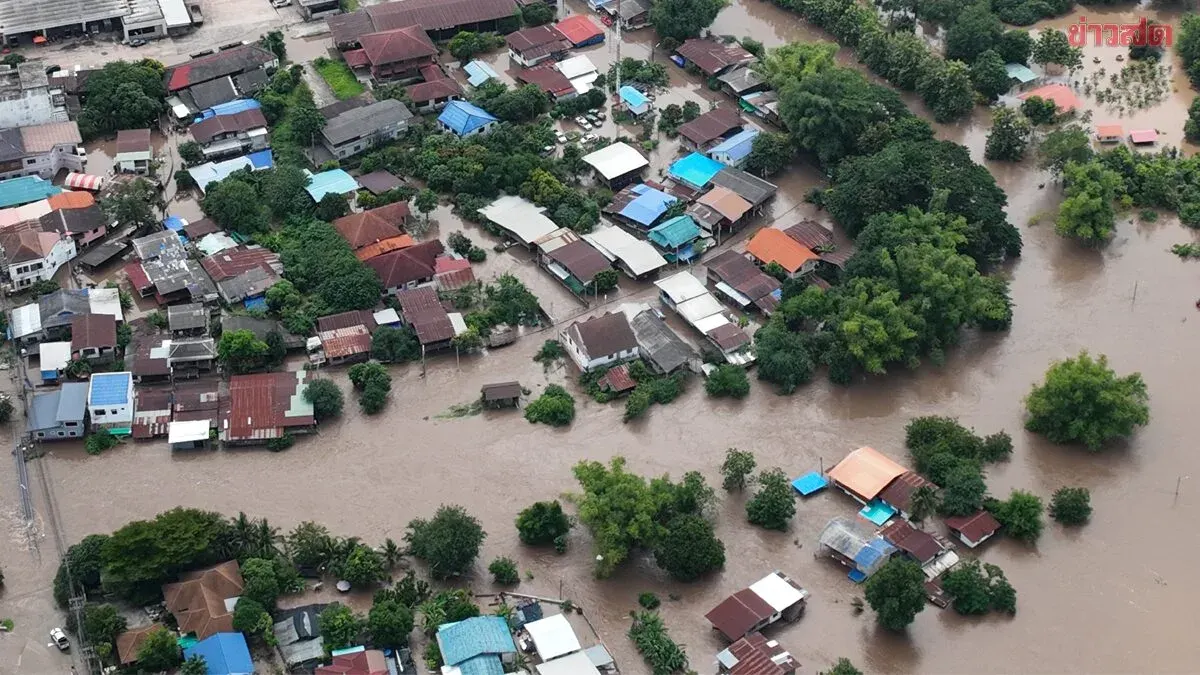
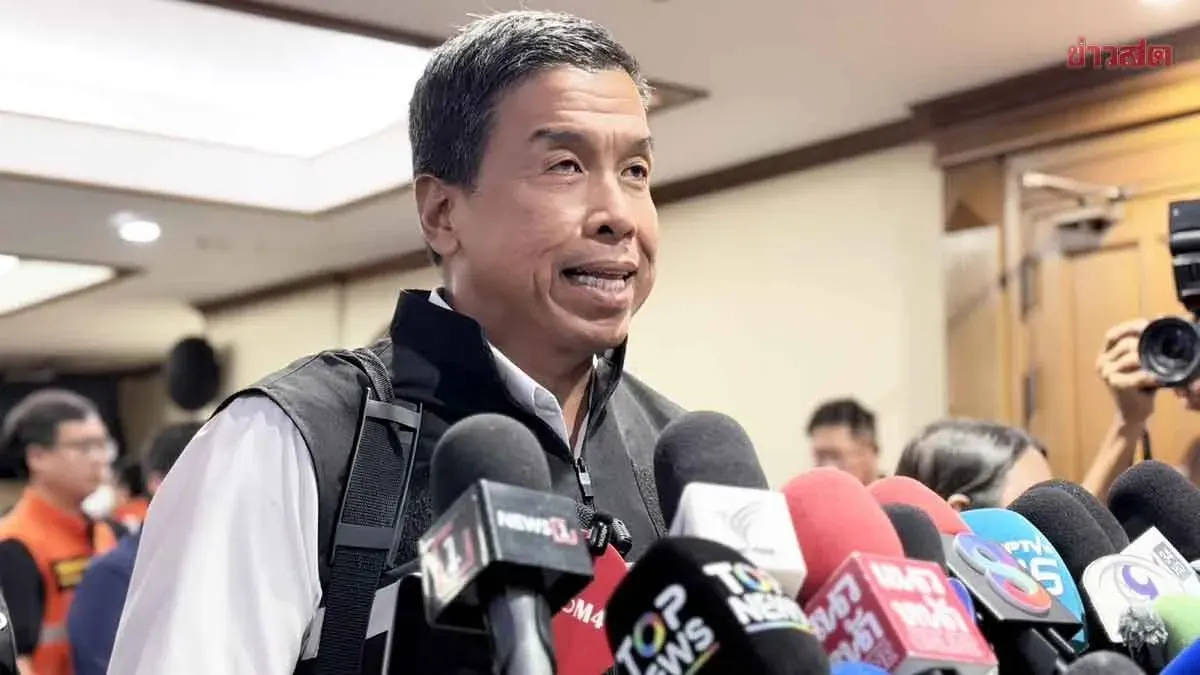
Anutin reiterated that there is a flood risk in the water‑flow provinces and ordered full data integration among all agencies. He noted that after his field visits, local residents asked for quicker drainage, and emphasized that his trips are not just about delivering rice, water and relief kits but about observing the actual conditions. Speaking at 09:35 on September 30, 2069 at the DDPM headquarters after presiding over the National Disaster Prevention and Mitigation Command meeting, he said that at present every province through which water passes faces risk, particularly in the central area and its periphery, so a war room has been set up to receive morning situation reports, mirroring the COVID‑19‑era daily briefings at 07:00 by the Ministry of Public Health. He added that when a province requires assistance or a decision, it can be acted upon right away. Similarly, for flood situations, the DDPM, as the responsible agency under disaster legislation, must liaise with other organizations; during the present crisis they convene at 08:00 each morning to handle all issues, followed by separate agency meetings, with the DDPM director‑general compiling data to present at the morning briefing for orders. When asked which locations had reported that residents need to get ready in the inaugural meeting, Anutin said provinces situated in disaster‑hit areas with risk will step up publicity and inform the public according to each area’s circumstances. He later said that the newly appointed DDPM director‑general, Niratt Phong Sitti Thaworn, will provide the details. Asked what residents had expressed during his field trips, Anutin said they wanted the water drained as fast as possible, while thanking the public for their understanding, patience and tolerance. He stressed that his visits were not limited to handing out rice, water and relief packs but were meant to feel the people’s hardship, see the true situation and determine what help, support and decisions were needed. His visits to three or four locations in recent weeks have at least fostered inter‑agency cooperation and enabled full service to the populace; initially people reported insufficient food, having gone days without rice, lacking assistance and electricity, but the situation has improved and today help can be delivered comprehensively; going into the field now means seeing the situation firsthand rather than merely listening. When queried about his current concerns, Anutin said he worries until the water recedes, noting that drainage is hampered because surrounding water levels remain high, urging vigilance and data sharing, which is vital because water will be released from various sources. Without coordinated information sharing, each agency might act alone—for example, Bangkok trying to discharge water at maximum capacity while the Irrigation Department releases more water, causing inflow—so effective water management requires full data exchange and cooperation to achieve efficient drainage.