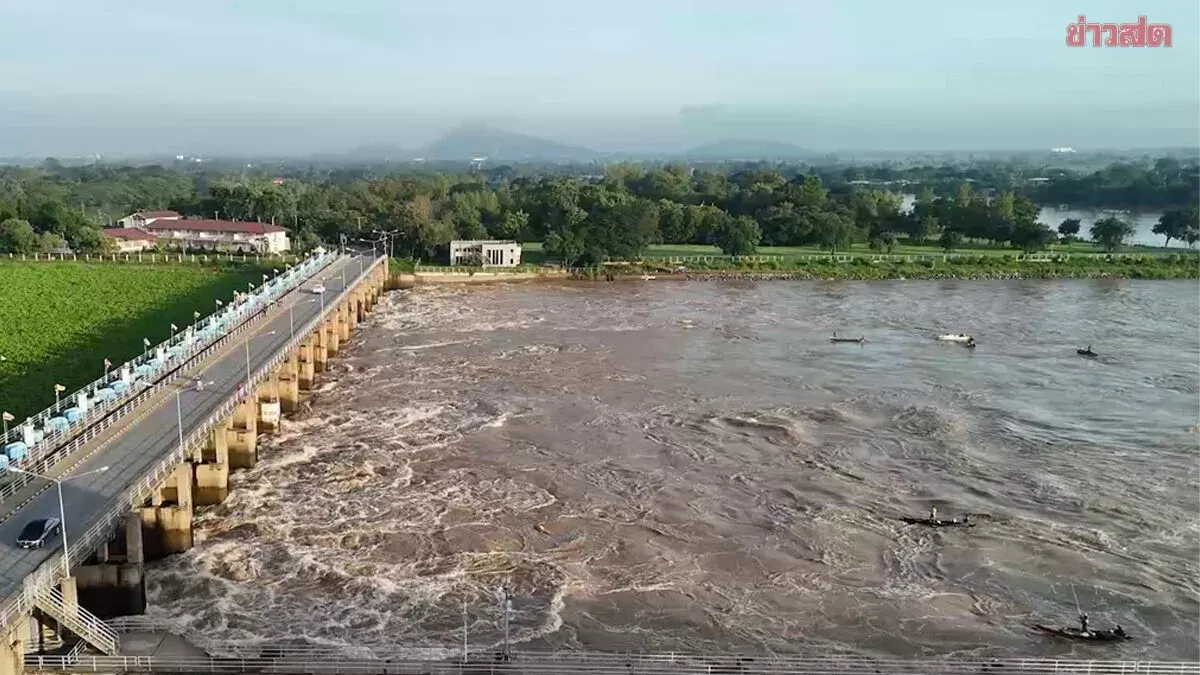
Thailand Orders Vajiralongkorn Dam Water Release to Prevent Flooding
We need to produce a short summary (1-2 sentences) in English, 120-220 characters (max 240). Must lead with what happened, then the single most important detail (who, where, or when). One detail only. No "this article is about". Plain Engli
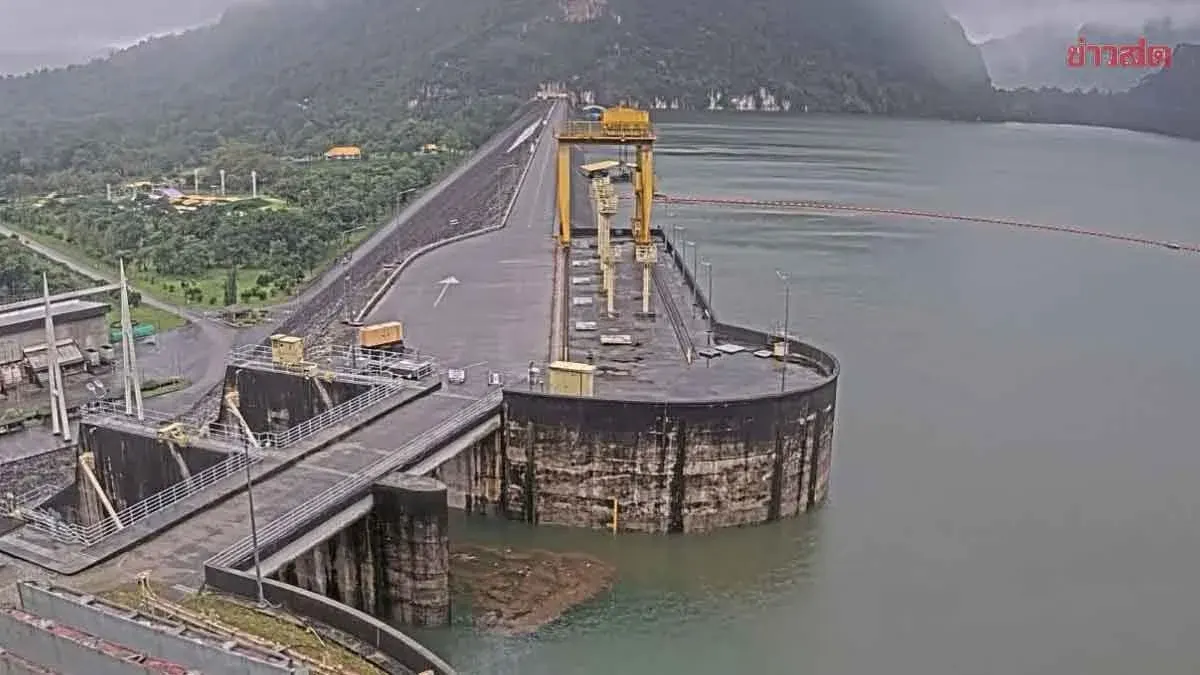
Naphintron, Minister attached to the Prime Minister's Office and chairman of the subcommittee for flood and drought prevention in the Mae Klong and Phetchaburi-Prachuap Khiri Khan basins, spoke at Government House on September 30, 2026. He said he oversees the Mae Klong basin flowing through Kanchanaburi, Ratchaburi and Samut Songkhram provinces, as well as the Phetchaburi and Prachuap Khiri Khan rivers. He noted that the Mae Klong basin in Kanchanaburi has two dams: Vajiralongkorn and Srinagarind. Yesterday, September 29, the Vajiralongkorn Dam was about 90% full, requiring a discharge of 30 million cubic meters per day; today the release must increase to 42 million cubic meters per second. This water will join the outflow from the Mae Klong Dam and mix with its tailwater, raising the discharge from that dam. Yesterday’s planned discharge was 2,000 cubic meters per second, increased to 2,300, and at noon today it will reach 2,500 cubic meters per second. Morning data show the tailwater has receded, lowering the projected discharge from 2,300 to 2,195 cubic meters per second, so the water rise will be limited and the tailwater upstream of the Mae Klong Dam will also be lower. Consequently, discharge from the Mae Klong Dam is expected to gradually decline as water moves past Ban Pong, Pho Thom, Mueang and Samut Songkhram, stabilizing then decreasing if no further rain falls. When asked what discharge would avoid impacts, Naphintron said to keep riverside communities safe the flow should be about 1,500 cubic meters per second, but the current rate is around 2,000, pushing water levels roughly two metres above the riverbanks and flooding low‑lying homes downstream. Provinces have prepared shelters, medical teams and warnings for residents to move belongings to higher ground, although many prefer to stay home and receive three meals a day. Regarding farmland, he said overall agricultural areas are not seriously flooded; water mainly spills over the riverbanks, allowing farmland to drain, and there are no large areas of stagnant water even if the Mae Klong remains high for extended periods. Asked which locations in the three provinces are most at risk, Naphintron said there are no major hotspots; some low‑lying riverbank sites may see water, but residents are already prepared and would evacuate patients to hospitals, which lie away from the river and are unlikely to flood.