Chao Phraya Dam Raises Discharge to 2,500 Cubic Meters/Second
We need to produce a short summary 1-2 sentences, 120-220 characters, max 240. Must be English, plain, factual, lead with what happened then the single most important detail (who, where, or when). Not repeat title verbatim. So we need to st
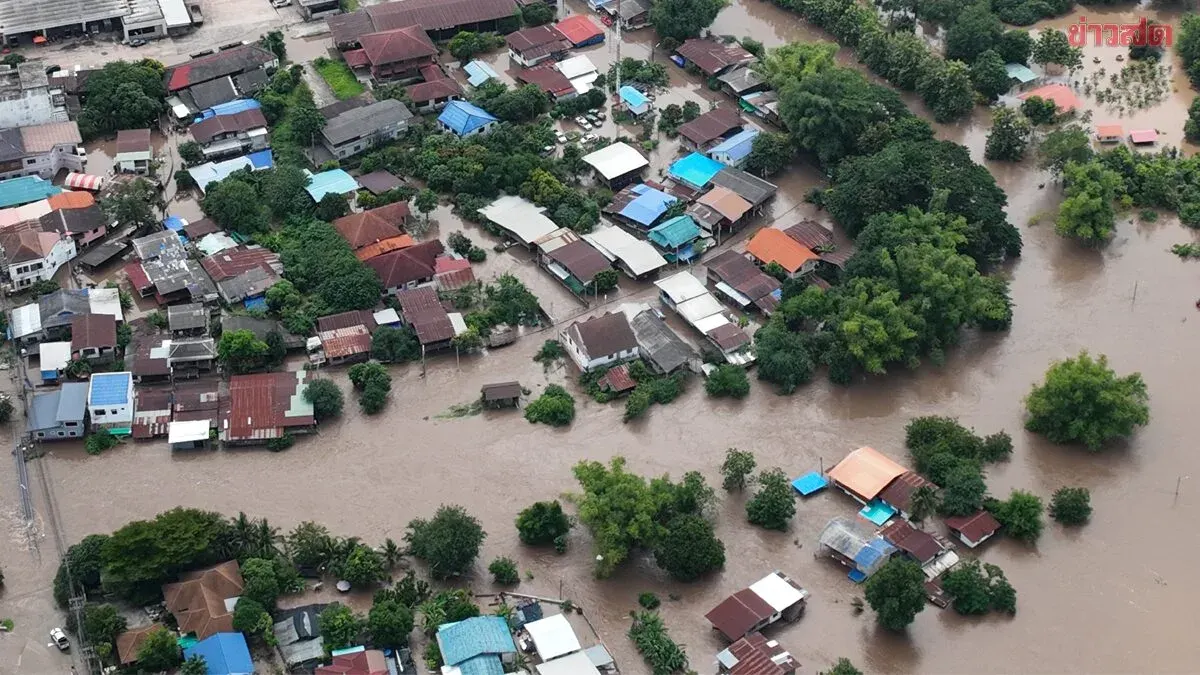
The Chao Phraya Dam has increased discharge to 2,500 cubic meters per second since noon today, warning 11 provinces and Bangkok to prepare. Forecasts indicate water above the dam may reach 3,600–3,700 cubic meters per second, with monitoring needed for low‑lying areas outside the embankments.
Deputy Spokesperson for the Prime Minister's Office Phattaradsarme Thongsluangkon said the government urges residents in the Chao Phraya basin to increase caution and prepare in advance after the Irrigation Department closely monitored the situation. The latest adjustment raised outflow via the Chao Phraya Dam to 2,500 cubic meters per second starting at 12:00 on September 30, 2026, to manage rising water levels in line with conditions.
Earlier, the department issued Water Situation Warning No. 6 for the Chao Phraya basin to governors of 11 provinces: Uthai Thani, Chainat, Sing Buri, Ang Thong, Phra Nakhon Si Ayutthaya, Suphan Buri, Lop Buri, Pathum Thani, Nonthaburi, Samut Prakan, and Bangkok, so agencies and the public could prepare for increasing water volumes.
The Irrigation Department forecasts water conditions for the next 1–5 days. On October 2, 2026, at the C.2 station in Mueang Nakhon Sawan, flow may peak near 3,000 cubic meters per second, with tributary contributions adding another 700–750 cubic meters per second, pushing upstream volumes to about 3,600–3,700 cubic meters per second. Meanwhile, the department diverts roughly 550–580 cubic meters per second into irrigation systems on both banks.
Due to the rising trend, the department revised its water management plan, increasing discharge downstream of the dam to 2,500 cubic meters per second, necessitating monitoring of water levels in low‑lying areas beyond the embankments, especially along the Chao Phraya and Noi Rivers.
Particular attention is needed in Phra Nakhon Si Ayutthaya (districts of Sena, Phak Hai, Bang Ban, Phra Nakhon Si Ayutthaya, Bang Pa-in, and Bang Sai), Ang Thong (Wiset Chai Chan, Pho Thong, Mueang Ang Thong, and Sai Yo), Sing Buri (In Buri, Phrom Buri, and Mueang Sing Buri), and Chainat (Sappaya district).
The department said raising outflow does not affect communities inside the embankments, but residents in low‑lying areas outside the banks and along both sides of the Chao Phraya and Noi Rivers should closely monitor developments and prepare in advance.
The deputy spokesperson added that the key now is pre‑emptive preparation before water rises, urging at‑risk residents to: move valuables and important documents to higher ground; relocate vehicles, livestock, and farm equipment to safe places if in danger zones; prepare essential items and emergency communication contacts for possible evacuation; and continuously follow water level readings and official announcements, as conditions can change with rainfall and upstream flows.
She reiterated that this notice is an early‑warning measure, asking the public to “stay alert but not panic,” especially those living near the rivers and flood‑prone areas.