TTB launched a debt coach program pairing salaried workers with trained volunteers to help them restructure debt and build financial discipline, while introducing risk-based loan pricing that rewards borrowers with strong credit records.
TTB is stepping up its comprehensive support for salaried workers, rolling out a debt resolution model that directly addresses financial problems and introducing a "debt coaching" program to strengthen financial knowledge and discipline among borrowers. The bank is also advancing risk-based pricing—setting loan interest rates based on borrower risk levels—to reward those with good repayment records and creditworthiness, and incentivize financially disciplined customers.
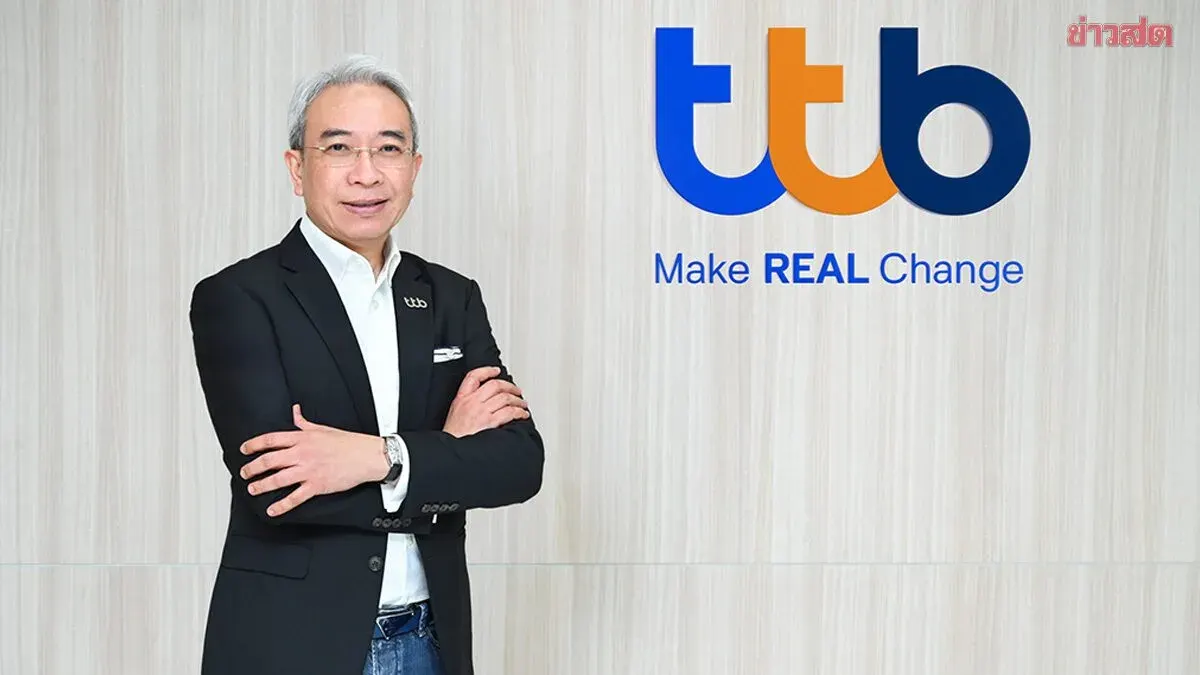
On July 13, TTB's Chief Executive Officer Thakorn Piyanphand said household debt remains a critical challenge affecting the quality of life and potential of Thailand's salaried workers, who form an important economic engine of approximately 12.5 million people, or roughly 30% of the total labor market. Main causes include family care responsibilities, rising living costs, economic conditions, and unexpected events that impact financial status.
TTB believes sustainable debt solutions require more than burden reduction; they must help borrowers regain financial discipline and manage their finances independently over the long term. The bank has therefore begun developing comprehensive support solutions, especially for salaried workers, through a debt resolution model combining debt restructuring with behavior change.
Debt Coach Program: Volunteers Helping People Escape Debt
The "debt coach" program was first piloted with TTB employees, starting with financial health checks through the ttb financial health check tool to assess risk and analyze individual financial behavior, then design tailored support aligned with each group's debt level.
From the green group—those with strong financial status—to the yellow group showing early warning signs, the orange group facing debt burden and negative liquidity, and the red group in financial crisis unable to repay regularly. Support is targeted and designed to create sustainable results.
TTB has since expanded the program to partner organizations, with over 144,000 salaried employees now assessed. Results show average financial health is good, with 53% in the green group, only 3% in critical red status, 31% in the early-warning yellow group, and 13% in the serious orange group.
Sustainable debt solutions require financial advisors. TTB created the "debt coach" role—volunteers from among TTB employees with financial knowledge and good financial health (green group status). All coaches undergo screening, knowledge tests, and intensive training to ensure standardized advisory quality.
Currently over 110 debt coaches have advised more than 560 employees, improving participants' liquidity. A survey found 56% restored positive net cash flow within one year of receiving coach guidance. The bank aims to expand to 1,000 cases this year and scale the model across partner networks.
Risk-Based Pricing: Rewarding Those Who Pay Well and Have Good Credit
Meanwhile, TTB promotes financial discipline among Thai people. Early 2024, TTB broke new ground using risk-based pricing to set loan interest rates that match borrower risk levels and credit scores from credit rating companies.