Two Thai Women Held at Laos Border Over Betting Accounts
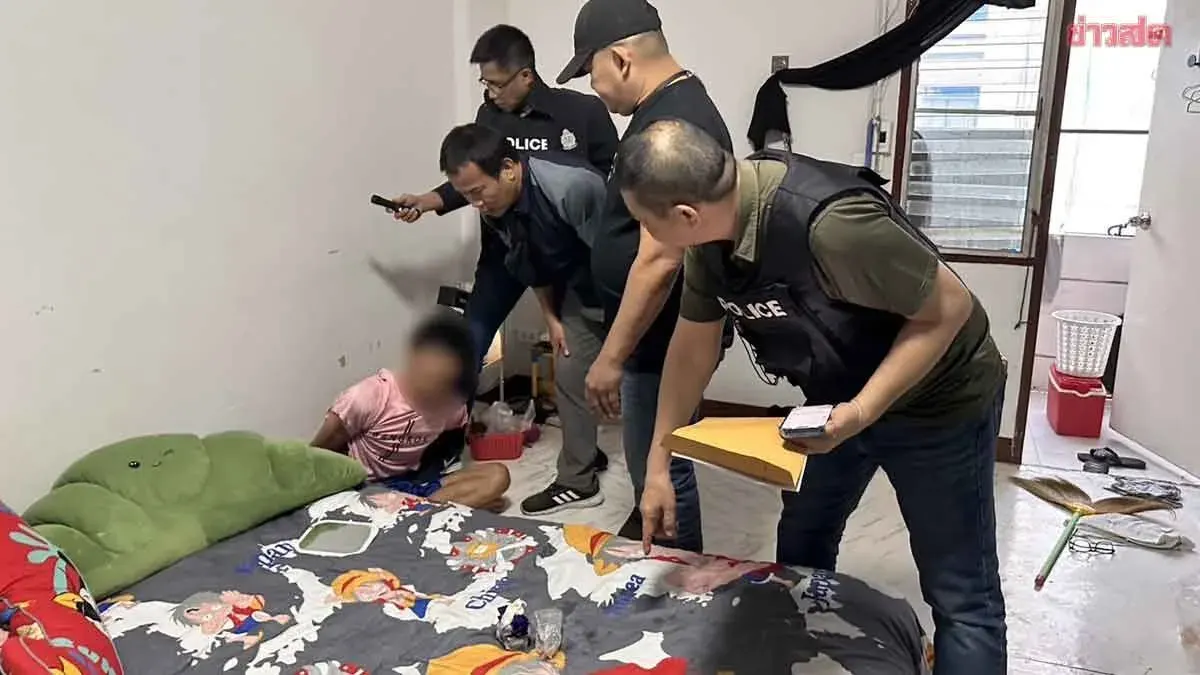
Two Thai women were arrested at the Nong Khai border after Lao police handed them over following a raid on an online gambling ring in Vientiane. Although they claimed to be trafficking victims forced to work for scammers, investigators found chat logs proving they willingly sold betting accounts and helped launder money for fraud networks. Both are now in Thai custody facing legal proceedings.
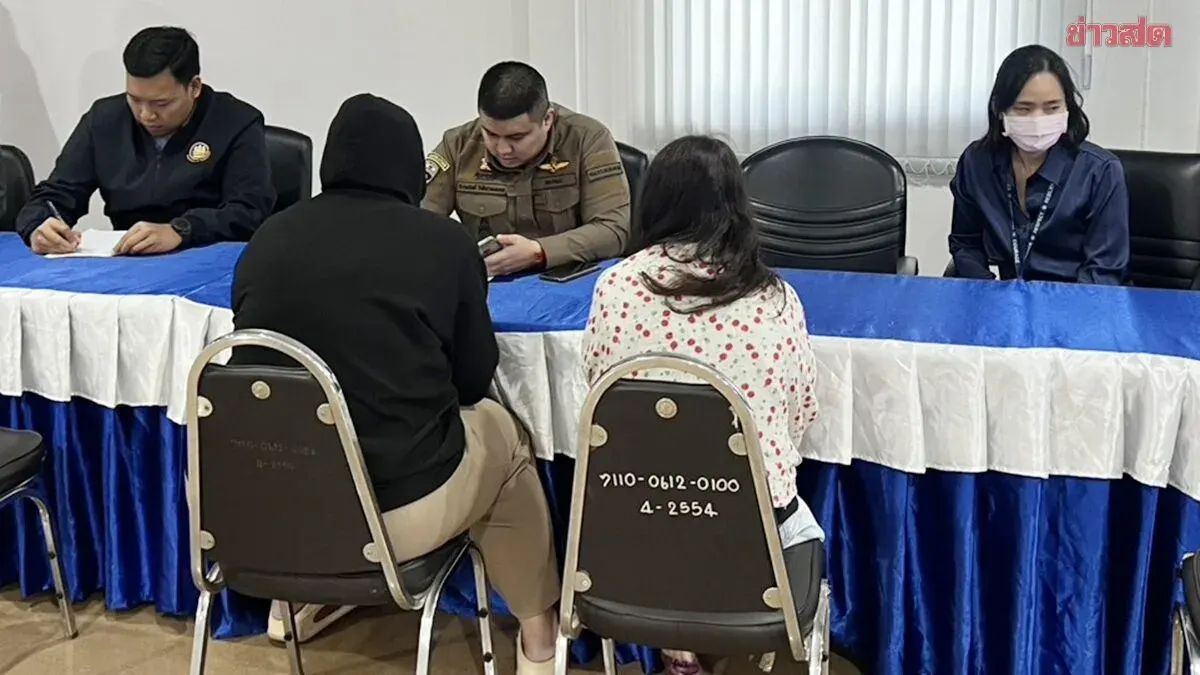
Immigration police took custody of two Thai women handed over by Lao authorities after a raid on an online gambling network in Vientiane. The women, aged 52 and 31, claimed they were tricked into working for a scam gang and held against their will, but investigators found chat logs showing they actively sold betting accounts and facilitated money transfers for fraudsters.
At 1:00 p.m. on November 11, 2026, Pol. Maj. Gen. Noppasit Poolsawat, Deputy Commissioner of the Immigration Bureau, ordered Pol. Lt. Col. Thiyachat Rangsiprahmanakul, Deputy Chief of the Nong Khai Immigration Station, to coordinate with the Thai Embassy in Vientiane and Lao police to receive the two Thai women — a 52-year-old from Bangkok and a 31-year-old from Surat Thani — after Lao authorities detained them in a sweep targeting online gambling operations in the capital.
Lao officials reported that one woman said she was lured to Laos to manage betting accounts but refused to cooperate when she realized the truth, leading to her confinement and threats. The other claimed she escaped and sought help at the Thai Embassy. Both were brought back to Thailand via the First Thai–Lao Friendship Bridge in Mueang Nong Khai district.
A joint investigation with multidisciplinary teams using victim-identification protocols for human trafficking found the women's statements inconsistent and not credible. No evidence of deception was found. Phone checks revealed Line and Facebook chats where both women negotiated the sale of their own betting accounts, traveled to the Lao side to meet buyers, and allowed scam networks to use their accounts to receive transfers from online fraud victims.
"After the transfers were completed, the two may have fabricated stories of being tricked and threatened to avoid prosecution for allowing their accounts to be used in online crimes," an investigator said. "Officials determined they do not qualify as human trafficking victims, so both were detained for further legal action."