Koh Lanta is not the island of resorts most visitors meet. Census figures disagree, most of the district is not the beach, and the people who settled here first arrived five centuries before the first bungalow.
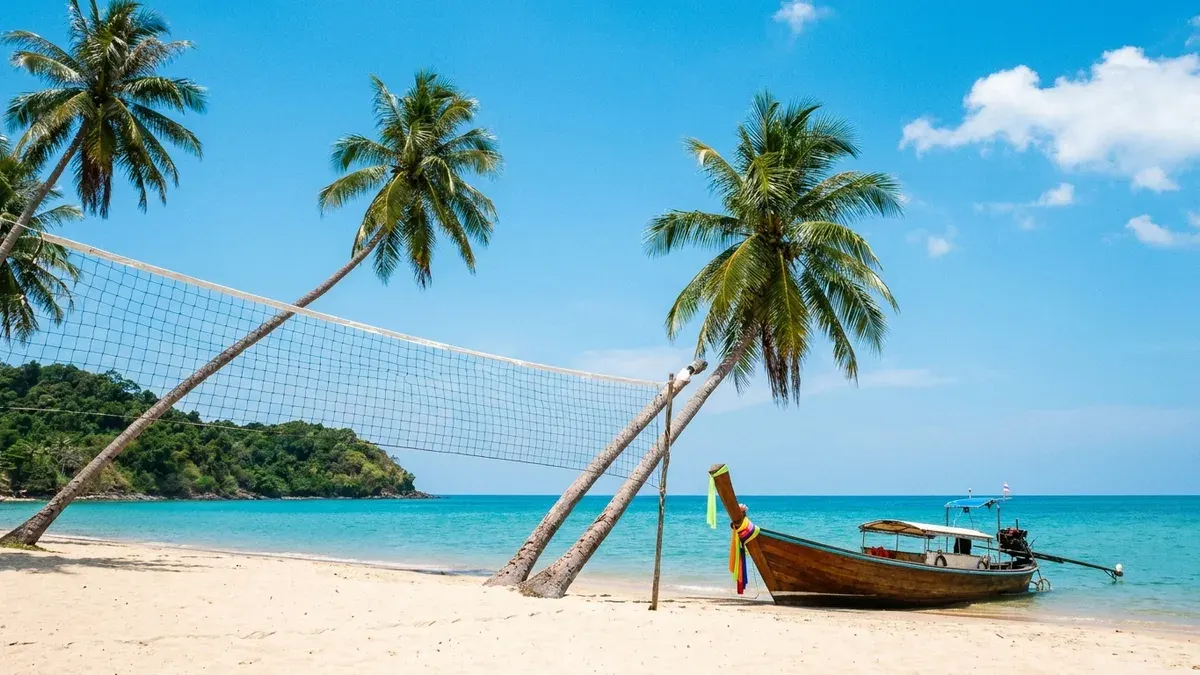
Most people meet Koh Lanta for a week, along one strip of west-coast beach, and leave with the impression of an island made of resorts. The island people actually live on is a different place, and it is older, more crowded and more mixed than the beach suggests.
How many people
There is no single tidy number, and anyone who gives you one without a caveat is guessing.
Thailand's National Statistical Office counted 23,499 people in Ko Lanta district at the 2000 census and 26,805 at the 2010 census, the latter split almost evenly between 13,501 men and 13,304 women. A district figure of 30,500 is widely quoted for 2012, drawn from registration records rather than a census.
Those are different kinds of counting, which is why they disagree, and none of them capture the island's real population on any given day. Koh Lanta swells in the high season with visitors and with Thai and Burmese workers who come for the season and leave again, and it empties out in the monsoon months. A registered population is not the same as who is standing on the island in February.
The district is not only the beach island either. It covers five subdistricts: Ko Lanta Yai, Ko Lanta Noi, Ko Klang, Khlong Yang and Sala Dan. The largest by population is Ko Klang, with about 7,835 people, and Sala Dan, the pier town most visitors pass through, is the smallest at roughly 4,725. The island of resorts is the minority of the district.
Who they are
The island is genuinely mixed: Muslim Thai, Buddhist Thai, Thai-Chinese, and the Urak Lawoi. In the rural parts of the district the majority is Muslim, which is worth knowing before you arrive, because it shapes ordinary things: which restaurants serve alcohol, how people dress away from the beach, and how the island sounds at prayer times.
The Thai-Chinese presence is concentrated in Lanta Old Town on the east coast, which was the island's original port and trading centre long before the west-coast beaches meant anything to anyone.
The people who were here first
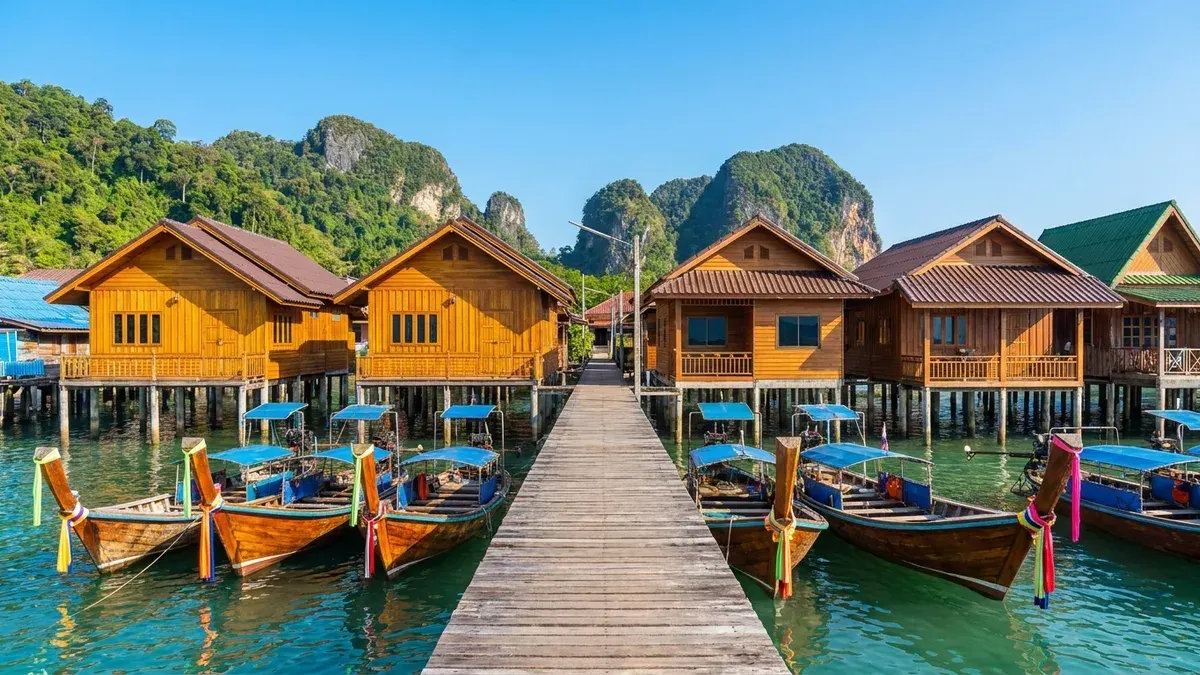
The island's founding population was not Thai. The Urak Lawoi, one of the seafaring peoples usually grouped together in English as Chao Ley or "sea gypsies", settled here more than 500 years ago, arriving from the Indo-Malay world with their own language and animist beliefs.
They are not a Koh Lanta phenomenon alone. Their communities stretch along the Andaman coast from Phuket down through Ko Phi Phi, Ko Lanta and Ko Libong to Ko Lipe, and as far as Langkawi in Malaysia. Estimates put the total Chao Ley population of Thailand at over 10,000 across three related groups, the Moken, the Moklen and the Urak Lawoi, of whom the Urak Lawoi are the largest.
On Koh Lanta they are concentrated today in the village of Sangka-u, on the southeast of the island, having moved as tourism took over the west coast. That sentence is doing a lot of work, and it is the part of the island's story that deserves more reporting than it gets: a community that arrived five centuries before the first bungalow now lives on the side of the island the bungalows did not want.
What we could not verify
We have not found a reliable count of how many Urak Lawoi live on Koh Lanta specifically, as opposed to across the Andaman coast. Nor have we found an official breakdown of the district by religion; the Muslim majority in rural areas is well attested but we have not seen it quantified in a source we would stand behind.
If you know these figures, or you are from one of these communities and we have got something wrong, we would genuinely like to hear from you.
Population figures: Thailand National Statistical Office census data (2000, 2010) via CityPopulation.de; district and subdistrict figures via the Ko Lanta district record. Where sources disagree we have said so rather than picking the friendliest number.