When Should Children Start Wearing Glasses?
Children should start wearing glasses based on eye examination results rather than age, with early correction preventing eye strain and supporting learning development. Watch for signs like squinting, sitting close to screens, or frequent h
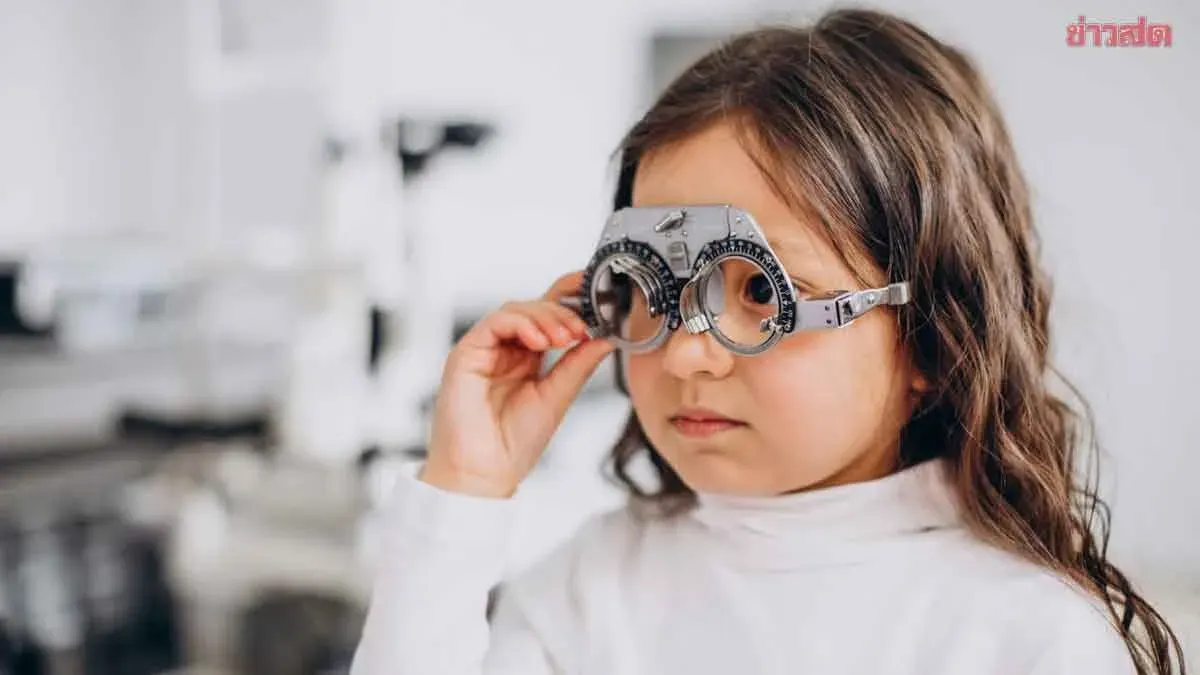
Vision problems in children are a concern parents should not overlook, as many children may struggle to articulate that they see blurrily, have blurry vision, or experience eye fatigue. Starting glasses is not determined by age alone, but rather by eye examination results, visual behavior, and recommendations from eye care specialists.
During childhood when the visual system is still developing, glasses can play a crucial role in vision, learning, and overall child development (AAPOS).
Signs that a child may need an eye exam
Certain behaviors may indicate your child is having vision problems, including squinting while reading or looking at boards, sitting unusually close to the TV, tilting the head while looking, frequent eye rubbing, complaining of headaches after reading, or reluctance to do vision-dependent activities. If you observe these signs, take your child for a thorough eye examination to assess whether they have myopia, hyperopia, astigmatism, strabismus, or amblyopia.
A common parental concern: "Will wearing glasses early make my child's eyesight worse?"
The answer is not necessarily. Wearing properly prescribed glasses does not worsen a child's vision; rather, it provides clear vision, reduces eye strain, and in some cases supports normal visual development. If a child receives glasses but fails to wear them as recommended, it may affect vision quality, especially in young children whose visual system is still developing (AAPOS).
Generally, children should start wearing glasses once an eye examination confirms that their refractive error or visual condition requires correction—whether at age two, five, or school age. What matters is choosing a lightweight, durable frame that fits well without pressing on the nose or ears, with lenses suited to the child's activities, such as impact-resistant lenses or anti-reflective lenses for children who use screens frequently.
Summary
For parents seeking quality glasses for their child, selecting frames from a standards-compliant store with eye care professionals is important. Opticland prioritizes eye measurement, lens selection, and frame fitting to ensure children wear comfortably, see clearly, and are ready to learn every day.
Early observation of your child and taking them for an eye exam when abnormalities appear are the foundation of good eye care. Appropriate glasses are not merely a vision aid; they enable children to live, learn, play, and grow with greater confidence.