When Should You Take Cholesterol-Lowering Drugs?
A Chiang Mai neurologist explains that cholesterol medication decisions should be based on individual cardiovascular risk rather than cholesterol numbers alone, with statins proven effective at preventing heart attacks and strokes when pres
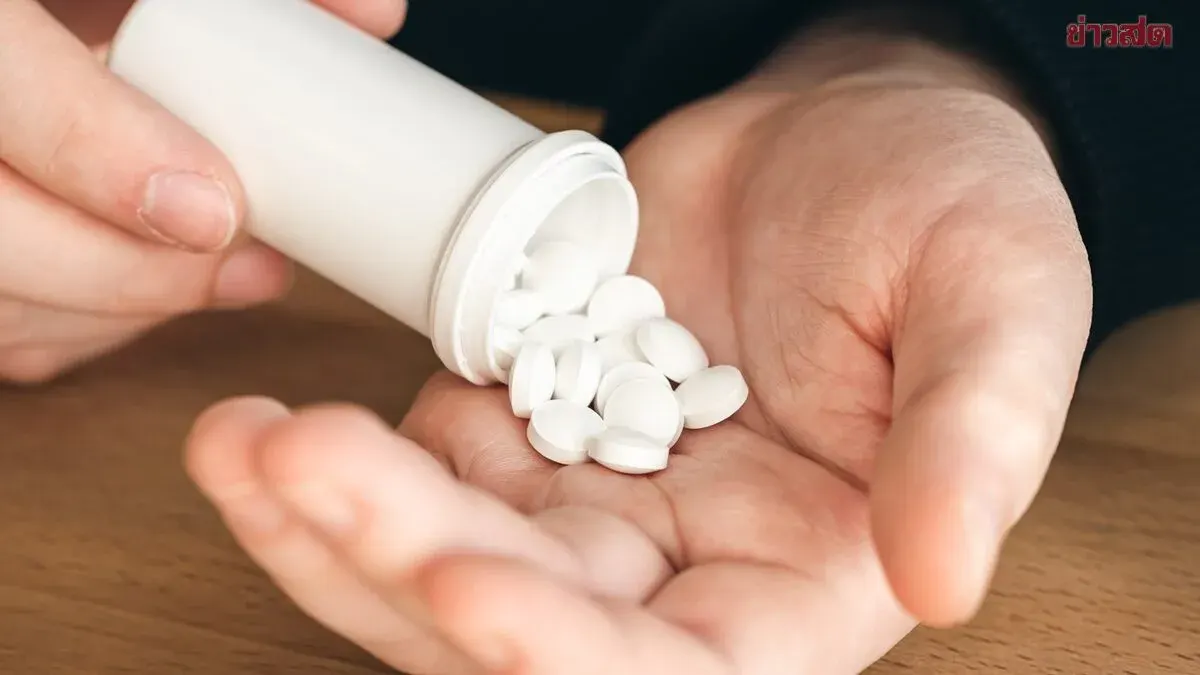
On July 22, 2025, Assoc. Prof. Dr. Surathn Tanpravet, a neurologist and brain specialist at Chiang Mai University's Faculty of Medicine, provided information about cholesterol-lowering medication and when patients should take it.
During his medical career treating stroke, heart disease, high blood pressure, and high cholesterol, Dr. Tanpravet identified two groups of people with elevated blood cholesterol: those eager to take medication out of fear of disease, and those reluctant to take medication who first attempt lifestyle changes. Some view medication as harmful, leading to anti-statin groups, but cholesterol-lowering drugs are highly effective when used appropriately for the right patients based on individual risk.
When asked "Do I need cholesterol medication and at what level should I start?", Dr. Tanpravet explained that looking only at LDL (bad cholesterol) levels is insufficient. The 2026 guidelines from the American College of Cardiology and American Heart Association (ACC/AHA) have shifted from treating based on LDL numbers to treating based on individual cardiovascular risk. The goal is not simply to lower blood cholesterol numbers, but to reduce the risk of heart attack, stroke, and premature death.
LDL cholesterol accumulates in artery walls, forming atherosclerotic plaques that thicken over time, narrowing blood vessels. If these plaques rupture, they trigger sudden blood clots, causing heart attacks, strokes, or peripheral artery disease. Lowering LDL is one of the most effective prevention methods.
Statin medications work by inhibiting the HMG-CoA reductase enzyme, the primary enzyme responsible for cholesterol production in the liver. As cholesterol production decreases, the liver increases LDL receptors, allowing more LDL to be removed from the bloodstream, reducing LDL levels by 30-60% depending on the medication type and dose.
Beyond cholesterol reduction, statins have "pleiotropic effects" or additional benefits including reducing artery wall inflammation, stabilizing fatty plaques to prevent rupture, improving blood vessel lining function, reducing certain blood clots, and slowing atherosclerotic disease progression.