Why Airplane Seats Are Blue: It's More Than Just Cleanliness
Airlines worldwide choose blue seat upholstery primarily for psychological benefits—the color reduces passenger anxiety by evoking calmness and safety while also concealing wear and dirt effectively over time.
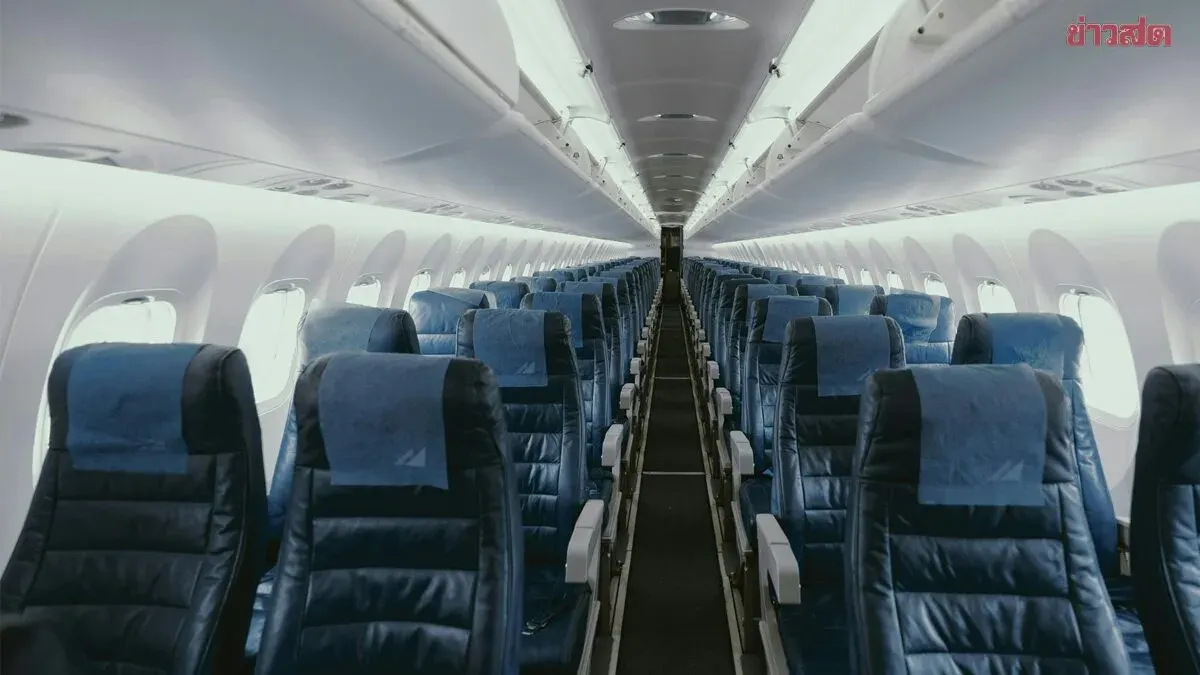
It's no accident that airlines worldwide favor blue seat upholstery—the choice serves multiple purposes beyond hiding dirt, including passenger psychology, design principles, and brand identity. When you observe the cabins of various airlines, you'll notice that most seat upholstery uses blue tones, whether budget carriers or full-service operators. Many assume this color choice is simply because it masks dirt well, but there are deeper psychological and design reasons behind the selection.
Color influences passenger emotions and comfort, especially in confined spaces like aircraft cabins. Boeing, the world's largest aircraft manufacturer, identifies blue and green as colors associated with calmness, relaxation, and safety, while darker blues and purple tones convey luxury and trustworthiness. This matters significantly because, despite flying being one of the safest forms of travel, many passengers still experience flight anxiety. Using calming color tones helps reduce stress during flights.
Each airline tailors its shade of blue to reflect its brand identity. Budget carriers typically choose bright or bold blues to stand out and be easily remembered, while full-service airlines prefer softer, muted blue tones to create a warm, relaxed, premium atmosphere.
Beyond psychology, blue also communicates reliability, stability, and safety—key qualities airlines want to convey to passengers. Designers from Teague, which has collaborated on aircraft interiors for numerous airlines, explain that humans subconsciously perceive temperature, cleanliness, and atmosphere through color. Blue typically evokes feelings of coolness, freshness, and cleanliness; when combined with green tones, it makes cabins appear more spacious and comfortable. Warm tones like orange or red, by contrast, can feel stuffy or cramped, making them unsuitable for confined spaces like aircraft cabins.
Another practical reason airlines choose blue is its longevity. Since seats endure heavy daily use, darker tones effectively conceal stains, wear marks, and dirt, keeping seats looking clean throughout their service life. Though seemingly a small detail, the choice of seat color reflects how carefully every aircraft element is designed—to enhance passenger experience, reduce anxiety, and reinforce the airline's brand image simultaneously.