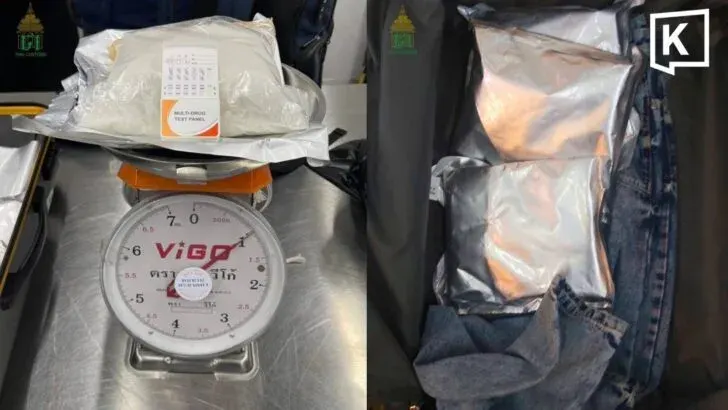
A 28-year-old Thai woman was arrested at Fukuoka Airport after crystal methamphetamine was found hidden in her luggage, prompting Thai authorities to warn the public that international drug networks deliberately exploit unsuspecting courier
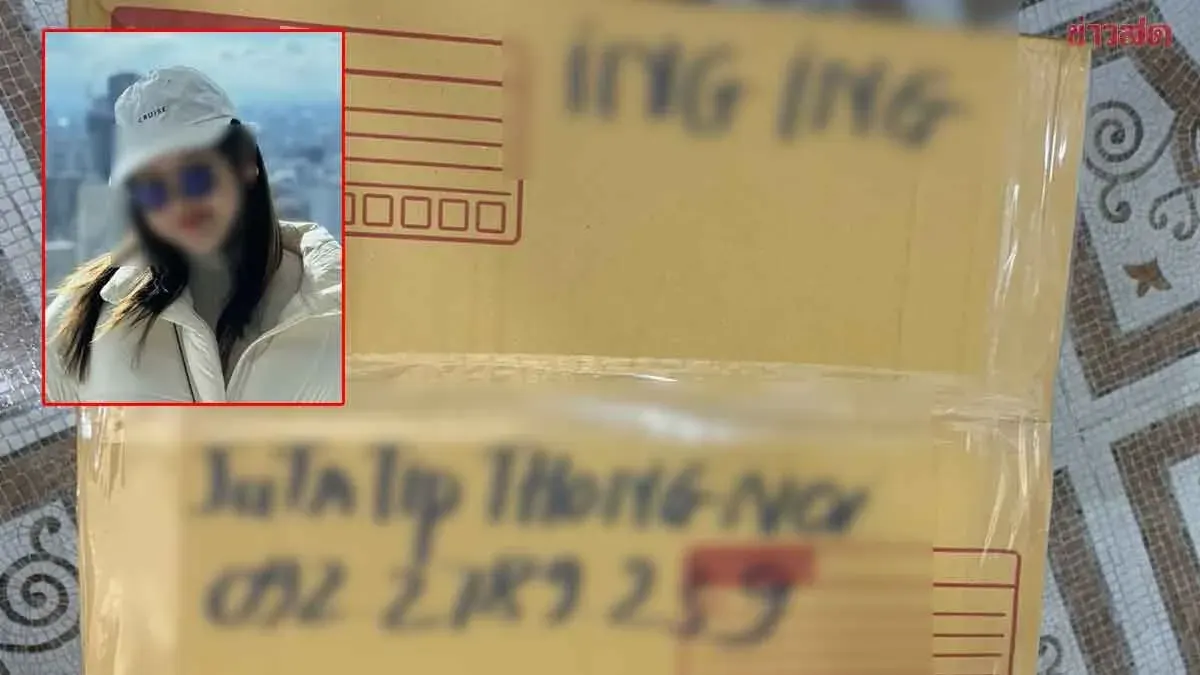
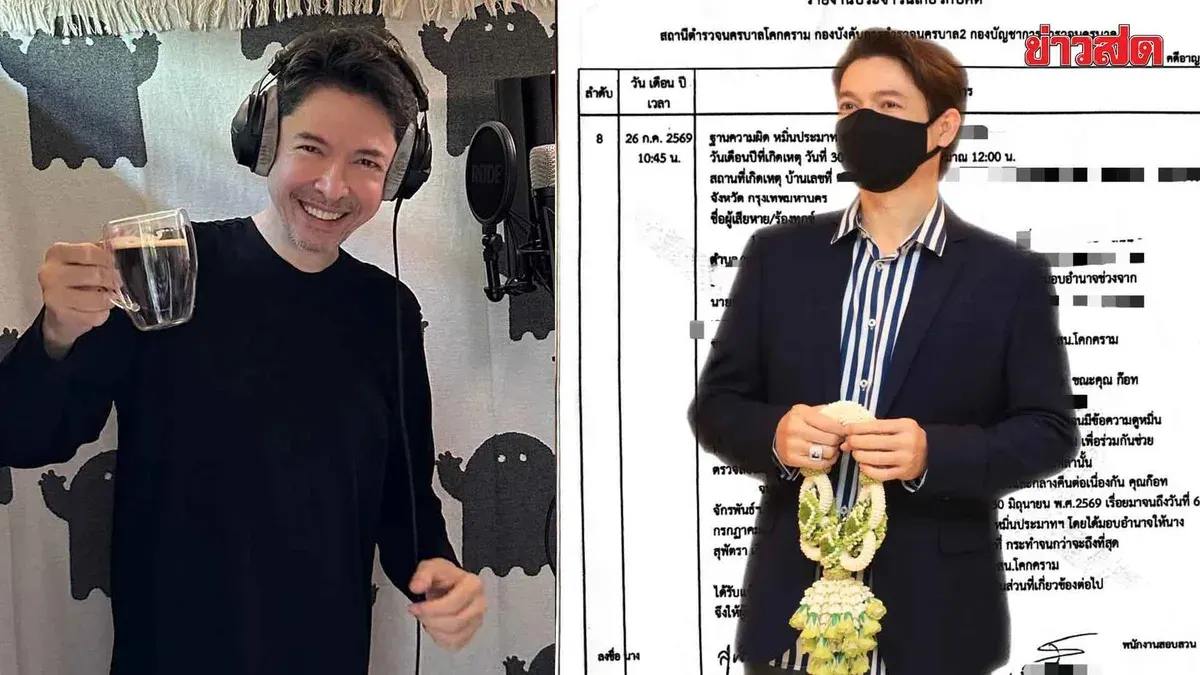
Thai police are renewing warnings against accepting paid courier work to transport packages overseas, cautioning that drug trafficking networks deliberately target couriers to smuggle narcotics without their knowledge. The alert follows a case in which a 28-year-old Thai woman was arrested at Fukuoka Airport in Japan after crystal methamphetamine was discovered hidden inside a coffee bag in her luggage. Her family has stated she has no history of drug involvement and believe she may have become a victim of an international smuggling operation. The family acknowledged that their daughter failed to inspect the package before accepting it, and has asked authorities to investigate the person who gave her the package and determine any links to drug trafficking networks.
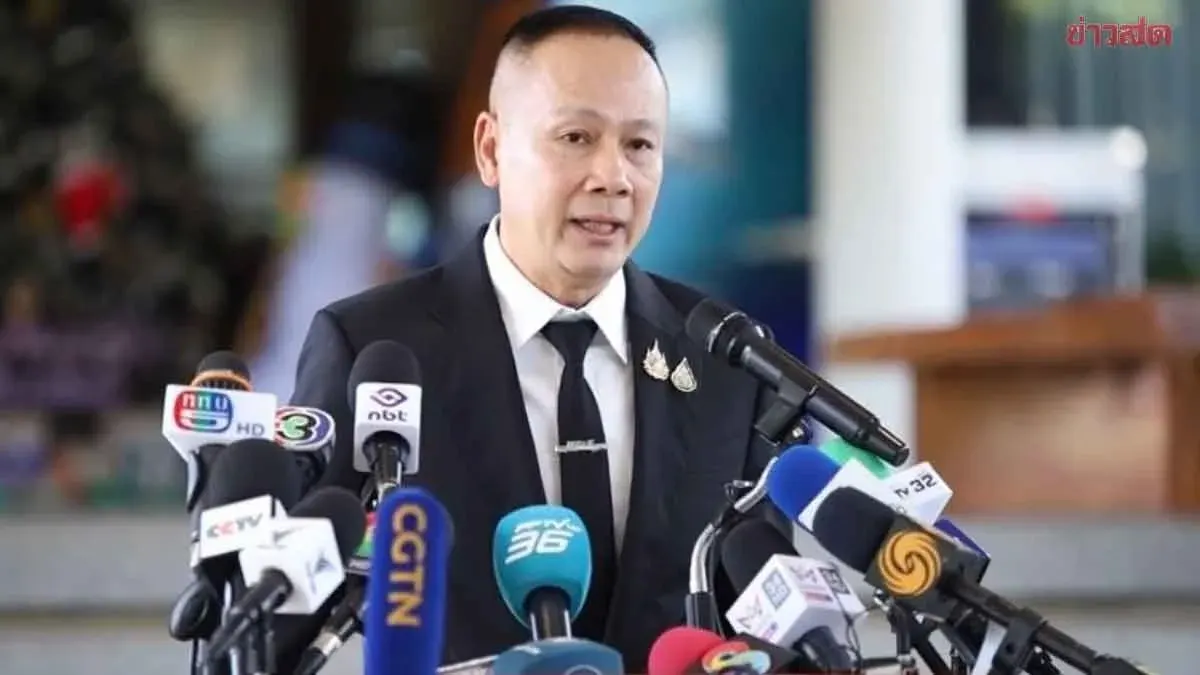
On July 26, 2025, Areepakdi Ngernbarun, Deputy Secretary-General of the Office of the Narcotics Control Board (ONCB) and ONCB spokesperson, reiterated that the office has continuously warned the public not to accept packages or courier work to transport luggage or parcels overseas. This risk applies to all professions—including flight crew, tour guides, and even people running online courier pages—whether helping friends, relatives, or acquaintances, or accepting payment in exchange for delivering bags or items to others abroad. Even if the person giving the package claims to be a friend, relative, or acquaintance, the courier cannot know what is inside and risks unknowingly carrying illegal items. If customs or law enforcement officials discover prohibited goods, tax-evaded merchandise, or narcotics in the luggage, the person carrying it will be held legally responsible and may face prosecution, even if they claim ignorance of the contents.
Regarding the case in the Bang Bua Thong police area where the family filed a complaint, the ONCB has officers from ONCB Region 1 ready to coordinate information with police and provide assistance if needed. Areepakdi also disclosed that international drug trafficking networks deliberately target high-risk individuals or those with potential to transport items by luggage to destination countries, such as flight crew members, or those who openly run online courier pages. These networks seek people who frequently travel abroad or who publicly announce on social media that their luggage still has capacity for additional parcels. Such connections often serve as entry points for trafficking networks to exploit.
The networks typically establish trust first by sending a legitimate shipment to test whether it reaches the destination smoothly. If successful, they then begin hiding narcotics inside subsequent packages, having calculated that after several successful deliveries, they will make a profit. Areepakdi further noted that people accepting courier work through online pages often never meet the person they are dealing with face-to-face, communicating only through online chat.