Thailand's government unveiled a four-tier framework to grow its creative and visitor economy by linking cultural heritage and local identity to compelling travel experiences. The initiative will connect six stakeholder groups—from governme
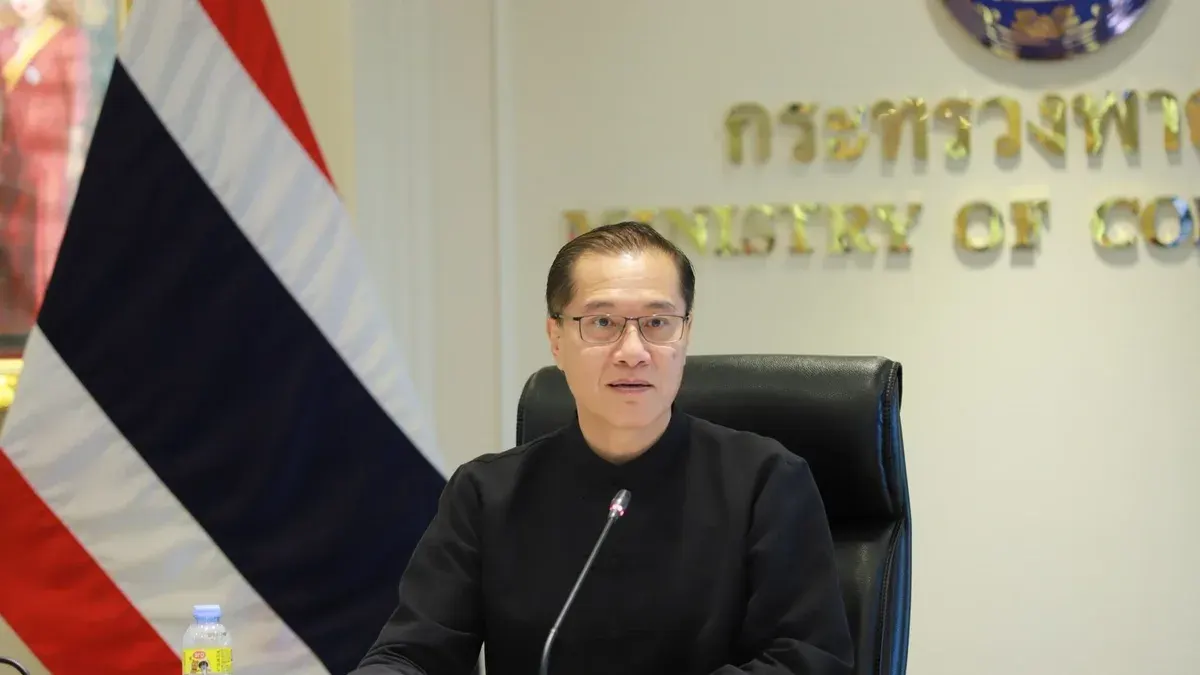
The government is advancing creative and visitor economy initiatives aimed at driving experience-based economics that draws on culture and local identity to create compelling experiences, connect people to destinations, and distribute income throughout communities. Veerasak Kovsuratana, chairman of the Creative Economy and Visitor Economy Working Group, presided over the committee's second 2025 meeting to discuss concrete approaches to advancing creative and visitor economy under the framework of the subcommittee on trade development, tourism, and community economics. Deputy Prime Minister and Commerce Minister Supachai Suthiarporn chaired the session, building on the first meeting.
The agenda covered four main areas: working group methodology, pathways to elevate creative economy to high-value status with real economic, social, and environmental impact, building stakeholder ecosystems, and key priority actions going forward. The approach emphasizes two parallel strategies: providing "fertilizer" to nurture a new ecosystem for creative thinking, and using a "rake" to sweep away obstacles and identify solutions.
The initiative will advance creative economy linked to visitor economy, converting cultural capital, local identity, geographical indication products, and intellectual property into compelling visitor experiences through a "four-tier waterfall" framework that connects six key player groups—government, large private enterprises, SMEs, local governments, academia, and international networks—using data-driven methods to deliver quick wins within 6 months to 1 year and major wins within 2–3 years.
To elevate creative economy to high value, the working group aims to create genuine "high value" with real economic, social, and environmental impact rather than merely increasing tourist numbers. The framework proposes a "four-tier waterfall" approach that recognizes visitor-related economics across four distinct levels: Experience Economy, Visitor Economy (the working group's primary focus), Tourism Economy, and Local Economy. This approach acknowledges the distinct value of each segment rather than lumping all visitors under the single label "tourist."
The committee discussed and proposed implementation strategies including developing a Krabi Sandbox model using secondary cities as pilot areas, with three pillars—creating value through geographical indication products and local identity, curating entrepreneurs to design experiences rather than just sell goods, and connecting to market through business matching and digital content. Additional proposals include positioning Thailand as a global platform for purpose-driven travel through international art fairs, exhibitions, festivals, and events; promoting experience design based on local stories and activities using data, strategic canvas, and AI to develop market-tested products; and implementing data-driven initiatives that track visitor journeys and integrate information from stakeholders including restaurants, shops, and accommodation providers.