Sports Authority Unveils 100,000-Seat Stadium Plan for Chonburi EECiti
Thailand's Sports Authority unveiled plans for a 100,000-seat stadium complex in Chonburi's EECiti zone. The 1,500-rai project under a PPP model has drawn interest from Chinese, Taiwanese, and Japanese investors.
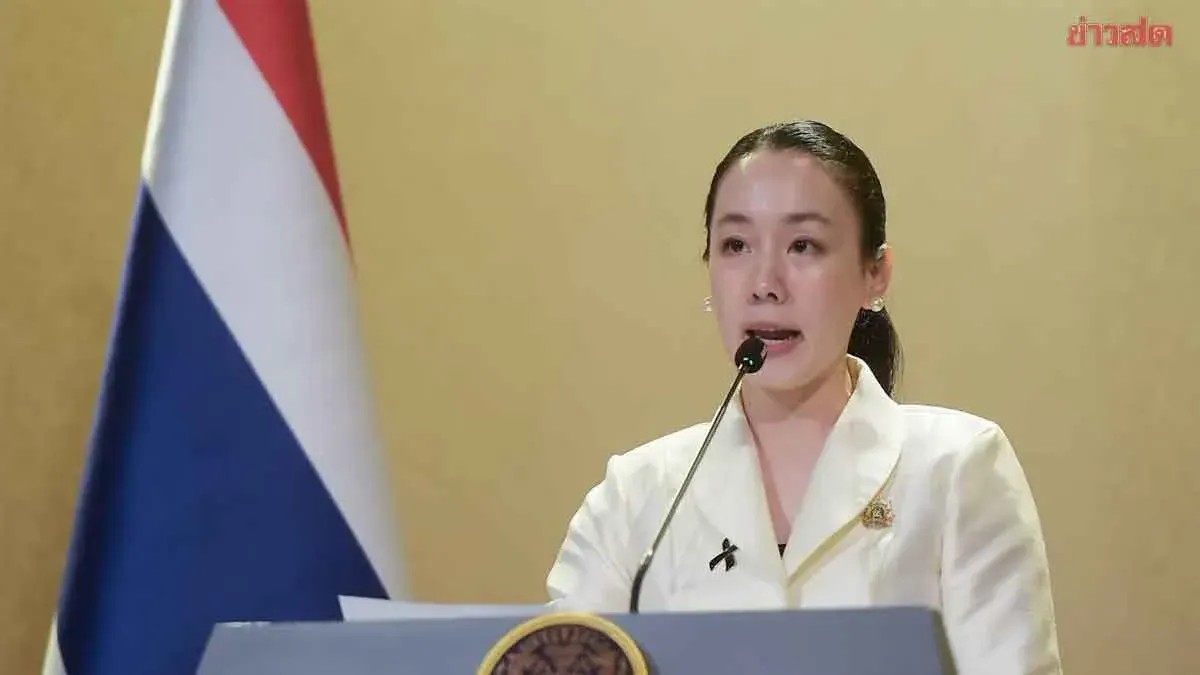
Sports Authority of Thailand Deputy Governor Surasak Kijjanuk participated in a panel discussion titled "EEC Never Stops: Driving the Future of Smart & Green Cities," joined by Eastern Economic Corridor Policy Committee Secretary-General Chula Sukmanop, Department of Public Works and Town & Country Planning Deputy Director-General Supatra Chaithewaran, DEPA Senior Expert Non Akkaraprasertkul, and Pattaya Mayor Poramet Ngampichet at the InterContinental Bangkok on November 16, 2026.
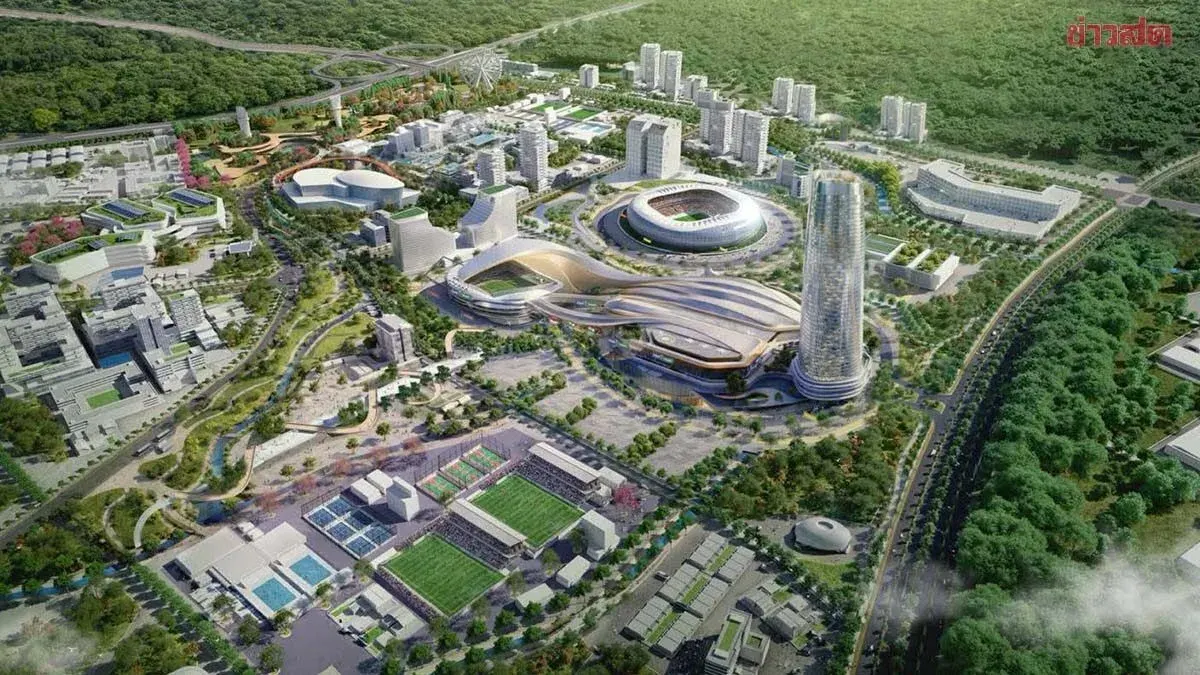
According to the Progressive Thailand Facebook page, Surasak revealed the latest plan for an international sports complex in Chonburi province. The project will be developed on 1,500 rai within the EEC business zone and the new smart livable city (EECiti). The complex will feature a main stadium with a capacity of 100,000 spectators for world-class sports and entertainment events, along with a new indoor stadium, various sports fields, training facilities, medical and health businesses, and entertainment ventures. The goal is to establish a world-class sports medicine center, sports science center, and sports wellness center.
The project is currently undergoing a preliminary feasibility study and is expected to follow a PPP investment model, opening to private investors for 30-50 year concessions. Investors from China, Taiwan, and Japan have already held preliminary talks.
The forum served as a platform to exchange views and present development directions for the Eastern Economic Corridor (EEC) toward becoming a modern, environmentally friendly, and investment-conducive business hub, supporting entrepreneurs, investors, and quality talent from around the world. The EEC is a key strategy to enhance the country's competitiveness, promote investment, and drive economic growth alongside improving quality of life, education, and infrastructure across all dimensions. It aims to create smart cities that balance work, investment, and living to sustainably elevate them into livable cities meeting people's needs.