Thailand’s EEE Project Boosts MICE to Drive Eastern Economic Growth
Thailand’s TCEB, the Eastern Economic Corridor Office, and the Thai Exhibition Association announced the results of the Empower Eastern Exhibition (EEE) project, which used high‑profile exhibitions to stimulate investment and develop the EEC. The initiative helped Rayong earn MICE City status and aims to build a sustainable MICE ecosystem by upgrading local services and attracting international standards. Officials said the model can be replicated elsewhere to drive area‑based economic growth.
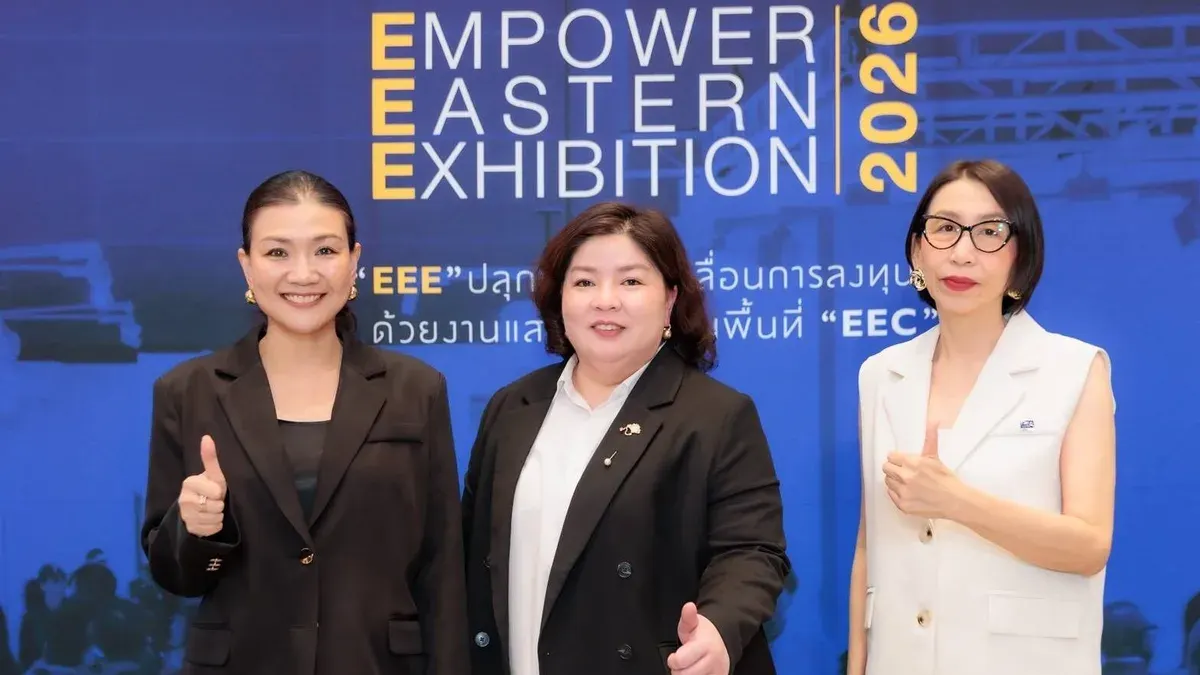
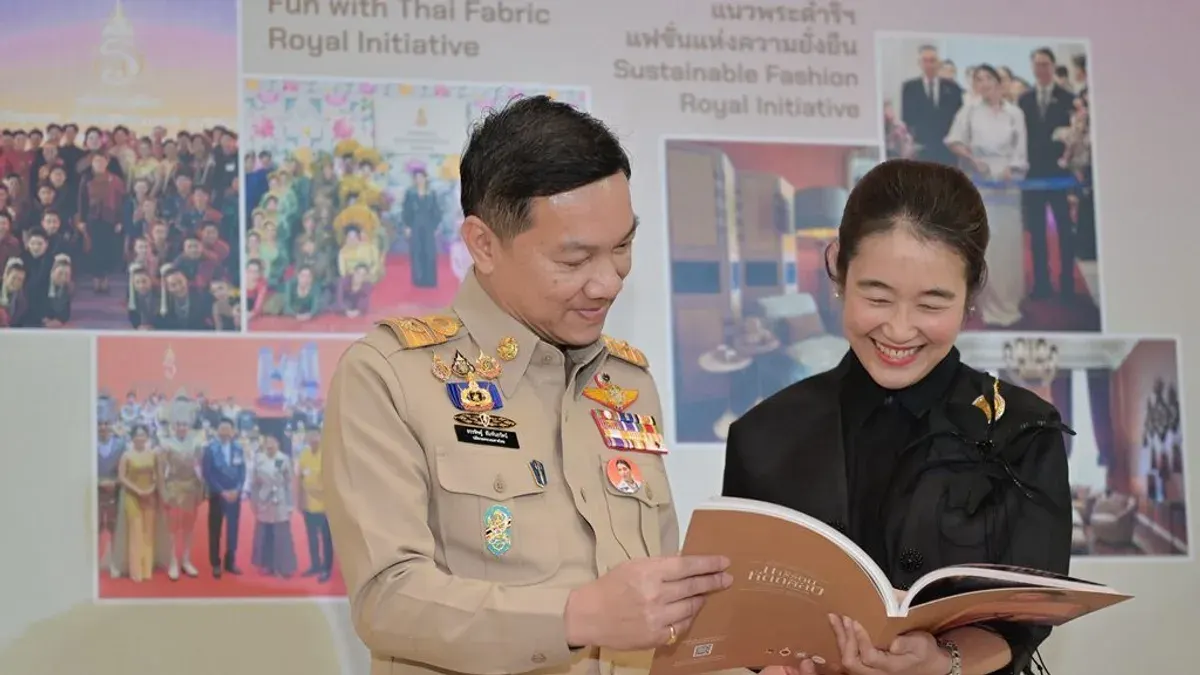
TCEB, together with the EEC Office and TEA, announced the success of the Empower Eastern Exhibition (EEE) project. The project shows achievements in stimulating Thailand's exhibition industry, encouraging investment, driving area-based economy, and building a sustainable MICE ecosystem in the Eastern Economic Corridor (EEC) at Club Siam Glowfish.
Ms. Parichat Sawetsarani, Director of the Promotion Office for Conventions and Exhibitions, Central and Eastern Region, said the EEE project is a pilot that uses exhibitions as a main tool to distribute income and upgrade areas. By attracting high‑potential exhibitions such as Automation Expo 2026 and The Print Cycle Tech 2026 to real locations, it generates circulating revenue directly in the EEC. However, the money flow and visitor traffic are only the first results; the key goal is to use exhibitions as a "drill" to accelerate area development, prompting businesses, hotels, and service providers to adopt international standards.
Moreover, the EEE project created an important milestone: Rayong province was certified as a MICE City on 15 September 2026, reflecting joint readiness and integration among government, private sector, and local communities. This shifts Rayong’s image from an industrial city to a business destination linking industry, innovation, and MICE, and enables local entrepreneurs and communities to join the MICE supply chain comprehensively.
Dr. Chalojit Worawangso Wirakun, Assistant Secretary of the EEC Office, said MICE activities and exhibitions are vital mechanisms for linking businesses, investors, and target industries into the EEC. Exhibitions serve as a platform for business connections and a point where participants see the area’s true potential in logistics, infrastructure, and industrial zones. The EEC Office aims to create an investment‑friendly environment that pushes the EEC from a mere industrial area to a complete business destination combining business, innovation, investment, and lifestyle.
Meanwhile, Dr. Suppaluck Suwattithi, Secretary of the Thai Exhibition Association, noted from the organizer’s perspective that the EEE project helps unlock challenges and reduce risk (de‑risking) for organizers wishing to expand exhibitions beyond Bangkok by bridging professional organizers with EEC entrepreneurs and factories. It also enables knowledge transfer and international standards to reach the local supply chain—such as booth contractors, audio‑visual systems, transport, and catering teams—raising local workforce capability and reducing reliance on central teams, giving confidence to domestic and foreign organizers in the long term.
The success of the EEE project therefore offers an important lesson and model for other strategic areas of the country to adopt the "MICE as an Engine" model as a catalyst for urban development, which requires sustainable, area‑based economic growth.