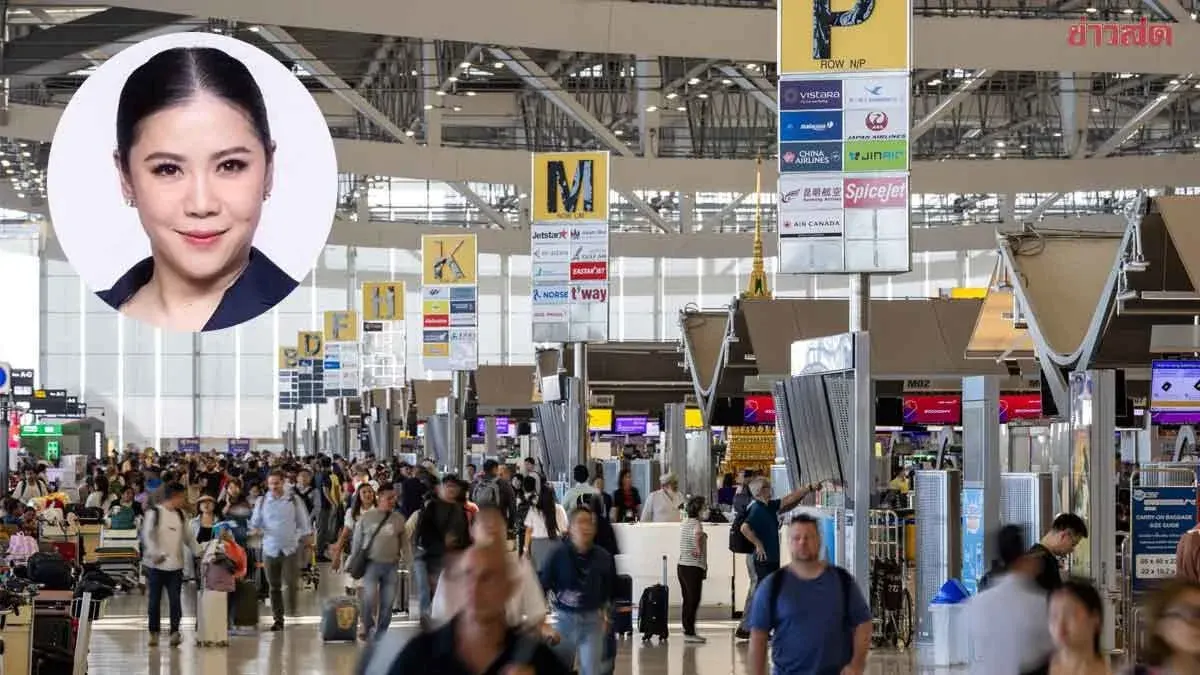
Thailand Seeks to Turn Global Economic Shifts into Growth Opportunities
Thailand will host the IMF‑World Bank Annual Meetings in Bangkok from 12‑18 October 2569, using the event to explore how its strengths in food and beverage, manufacturing, and regional ties can attract technology and investment for productivity‑led growth. Discussions will focus on future growth sources, efficiency, and resilience, with Thailand seeking to shift from expansion to productivity improvement, supported by World Bank findings and private‑sector examples such as PepsiCo’s Greenhouse Program.
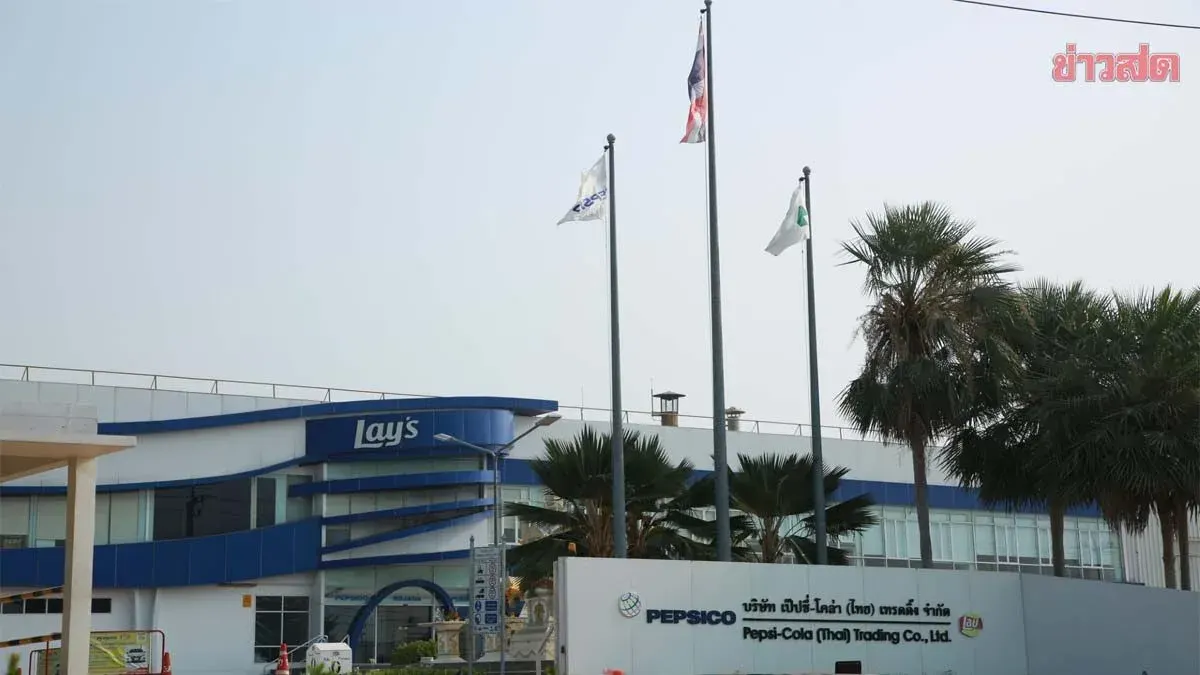
When the world’s eyes are on Bangkok, Thailand’s strengths in the food and beverage industry, manufacturing sector, and regional linkages could be the key to bringing new technology and investment to boost efficiency, create value, and drive long‑term growth. When finance ministers, central bank governors, business leaders, and policymakers from around the world travel to Bangkok to attend the annual meetings of the International Monetary Fund and the World Bank (IMF–World Bank Annual Meetings) from 12‑18 October 2569 at the Queen Sirikit National Convention Centre. One of the important discussion topics will inevitably be the questions the global economy is facing together: where will future growth come from, how can the economy increase efficiency and create more value, and how can it build capacity to deal with rising uncertainty. For Thailand, the significance of this meeting is not only about hosting a global gathering after it returned to Bangkok for the first time since 1991, but also occurs at a time when the country is considering what its next phase of growth should look like. Thailand’s opportunities therefore are not just about bringing knowledge, technology, and investment from around the world into the country, but also about linking these with the challenges and experiences of the Southeast Asian region. When the region’s growth challenge shifts from ‘expansion’ to ‘productivity improvement’, these questions become crucially important for Southeast Asia. The region has benefited from strong trade links, rising purchasing power and consumer markets, and an expanding role in global supply chains. However, geopolitical uncertainty, climate change pressures, resource constraints, and rapid technological change are reshaping how countries and businesses compete. Future growth will no longer rely solely on attracting investment or expanding production capacity, but will depend increasingly on ‘productivity’ – the ability of the economic system to adopt technology, develop skills, use resources efficiently, and move toward higher‑value economic activities. For businesses operating across multiple countries in the region, this shift also opens the chance to take solutions that work in one market, test them, develop them further, and scale them in other markets. For example, PepsiCo’s Greenhouse Program in the Asia‑Pacific region has launched more than 22 pilot projects together with over 30 start‑ups to test technologies in various areas ranging from logistics and agriculture to circular economy systems. The 2026 initiative aims to bring proven solutions into commercial use and expand them across PepsiCo’s business. For Thailand, raising efficiency is a key challenge for the next phase of growth. A recent World Bank Group report says accelerating productivity growth is a crucial factor for Thailand’s transition to a high‑income, innovation‑driven economy, highlighting the role of technology adoption, innovation, skills development, and value‑creation domestically. It also notes that agriculture and food, together with advanced manufacturing, are sectors where Thailand has high potential. At the regional level, investment in manufacturing in Thailand remains low