17 Nong Khai Residents Test High for Mercury Amid Mekong Pollution
Health screenings in Nong Khai province have identified 17 residents with elevated mercury levels linked to Mekong River contamination. Environmental tests show mercury concentrations exceeding safety standards across four northeastern provinces, while fishermen report declining catches and fish with tumors and lesions. Authorities advise that fish meat remains safe to eat if internal organs and bottom-dwelling species are avoided.
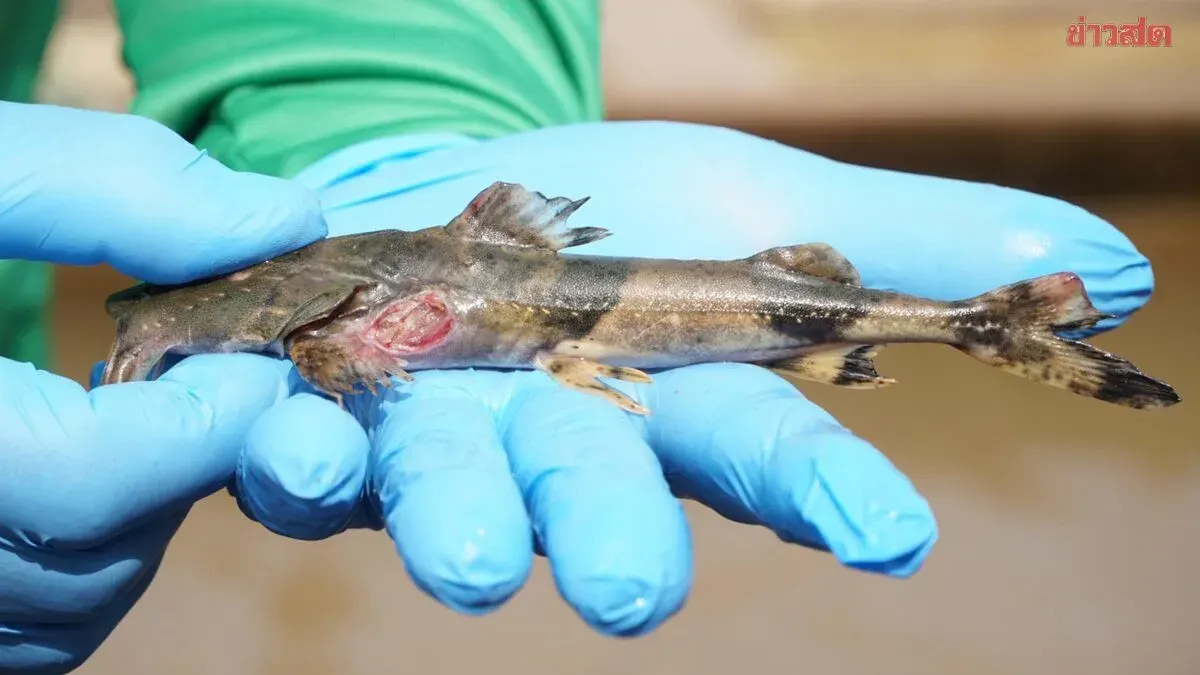
Nong Khai — Health screenings have found 17 residents with excessive mercury levels in their bodies while Mekong River fish exhibit tumors and lesions, causing locals to avoid buying the fish.
November 17, 2026 — Media reports detail the Mekong River situation after heavy metal contamination, particularly mercury, was detected, broadly affecting the livelihoods of communities along the river basin, especially in Nong Khai province where residents rely on the Mekong for survival and occupations.
Previously, the Pollution Control Department Region 9 (Udon Thani) released September mercury test results for the Mekong, finding 0.011 mg/L in Sangkhom district, 0.01 mg/L in Mueang Nong Khai, and 0.012 mg/L in Phon Phisai district.
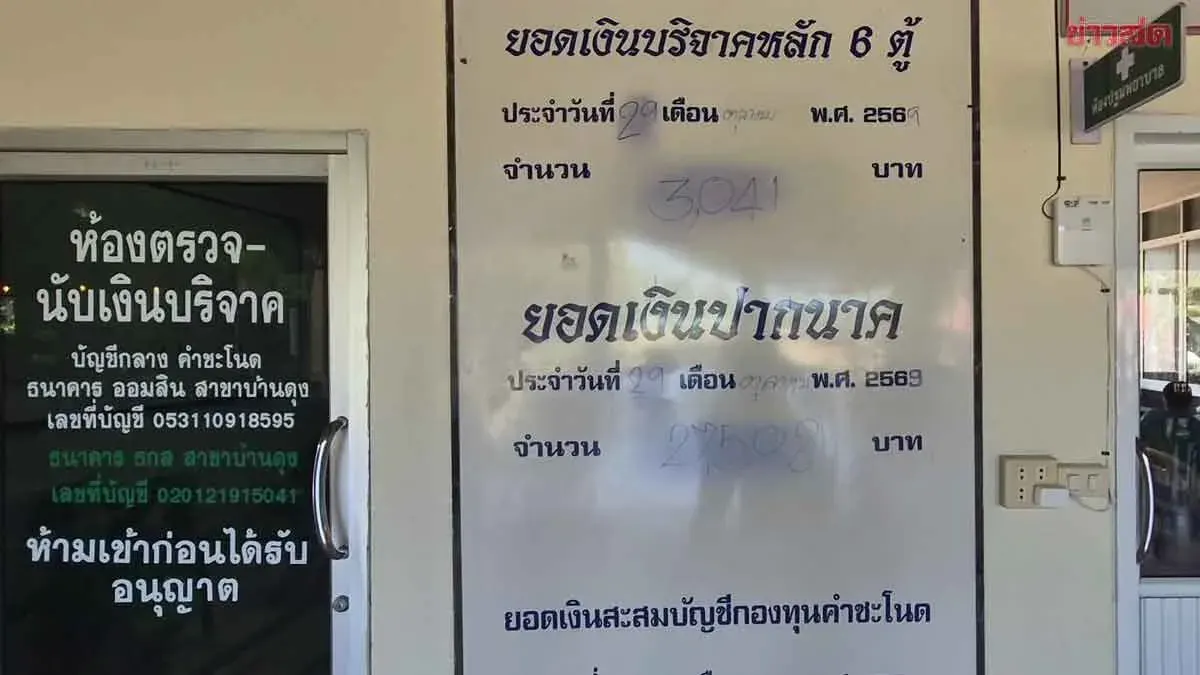
Most recently, the Bureau of Occupational and Environmental Diseases, Department of Disease Control, conducted screenings and risk assessments for residents in Had Kham and Hin Ngom subdistricts of Mueang Nong Khai and nearby areas, covering 1,644 individuals. Of 177 urine samples sent for laboratory analysis, 17 people showed total arsenic levels exceeding the reference value of 100 micrograms per liter, placing them in the moderate-to-high risk category.
All 17 individuals with detected mercury were referred to Nong Khai Hospital for further health evaluations, including physical examinations, blood tests for blood cell integrity, and liver function tests.
Khamfai Saibutra, 53, a Nong Khai fisherman, said he has fished the Mekong since age 20. Previously he caught diverse species, but the river's condition has changed. Now he finds catfish with tumors and lesions, and catches have noticeably declined. Since news of contamination spread, locals no longer dare buy Mekong fish as before.
Ms. Oombun Thipasun, president of the 7-Province Mekong Basin Community Organization Network, said after diseased catfish were found, network members discussed the issue and began monthly fish testing, revealing heavy metal contamination in the Mekong. Contaminant levels, especially mercury, have risen steadily across four provinces — Loei, Nong Khai, Bueng Kan, and Nakhon Phanom — with Loei exceeding standards by over four times and Nong Khai by two to three times.
However, she emphasized Mekong fish remain edible and urged the public not to panic. Fish meat is safe to eat, but internal organs and viscera should not be consumed. Bottom-dwelling creatures such as shellfish and shrimp should be avoided for now.