Mae Sai Residents Screened for Heavy Metals After Arsenic Found
Over 200 residents of Mae Sai district volunteered for urine screening after arsenic was detected in the Mae Sai and Rak rivers at levels nearly 28 times the safety threshold. Health officials collected samples to assess exposure to heavy metals such as arsenic, cadmium, and mercury, with results expected in about a month. The screening aims to determine whether contaminated water used for drinking and farming is affecting local health.
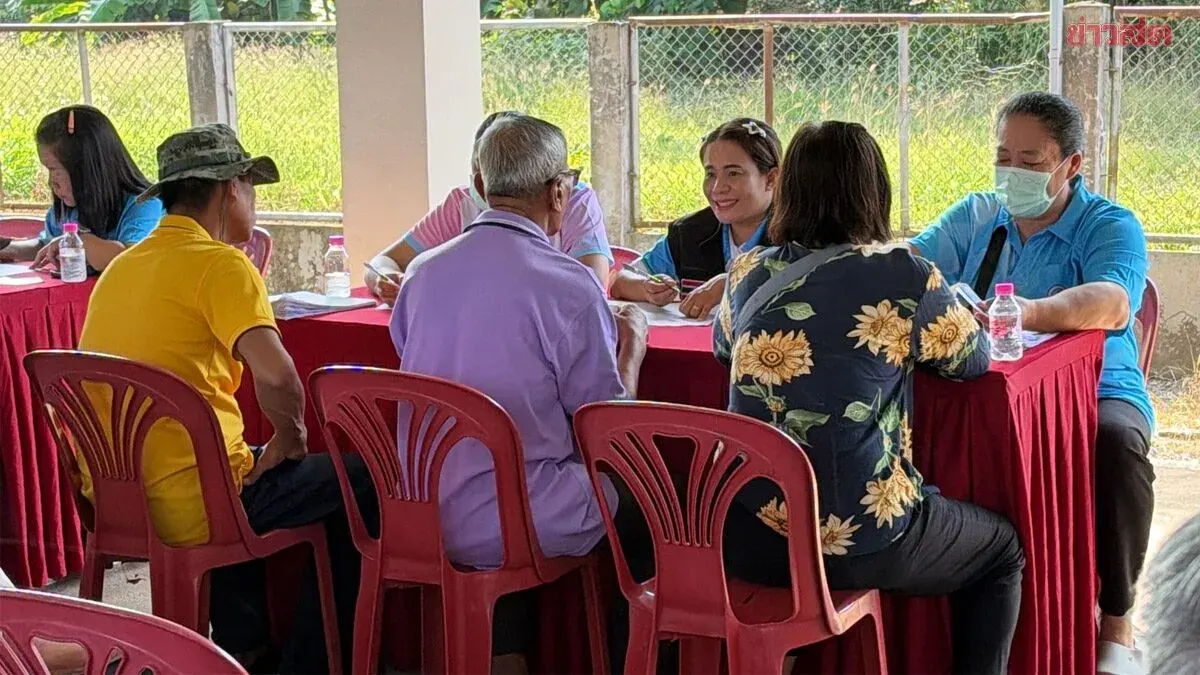
Health officials screened urine samples from over 200 volunteers in Mae Sai district to check for heavy metals after arsenic levels in the Mae Sai and Rak rivers were found to be about 28 times the safety standard. The screening, conducted at Mae Sai Health Promotion Hospital and Ko Chang sub-district hospital on October 14, 2026, aims to assess residents' exposure to contaminants from water used for drinking and agriculture. Participants were questioned about their water sources, including tap water, village water, and well water, as well as their food consumption, agricultural water use, and proximity to the rivers before providing urine samples for laboratory testing. Water tests showed arsenic concentrations of 0.284 milligrams per liter, roughly 28 times the reference standard. Urine test results will help evaluate residents' heavy‑metal exposure; if levels exceed screening thresholds, further investigation will be needed to determine exposure levels and possible sources. Screening criteria include total urinary arsenic above 50 micrograms per liter, cadmium above 3 micrograms per gram creatinine, or detection of mercury, with individual risk factors taken into account. Officials expect to receive the laboratory results from the Disease Control Department in approximately one month.