Government Launches 50‑Billion‑Baht Housing Loan PLUS Program
The Thai government is launching a 50‑billion‑baht housing loan program called One House per Person PLUS to help low‑ and middle‑income citizens buy or build homes. The scheme offers loans up to 3 million baht per borrower with repayment terms of up to 40 years and includes a special introductory interest rate. Officials say the initiative will stimulate the real‑estate sector and generate about 125 billion baht in economic activity.

Grassroots cheer! Government pours 50 billion baht into loan scheme for the One House per Person PLUS program.
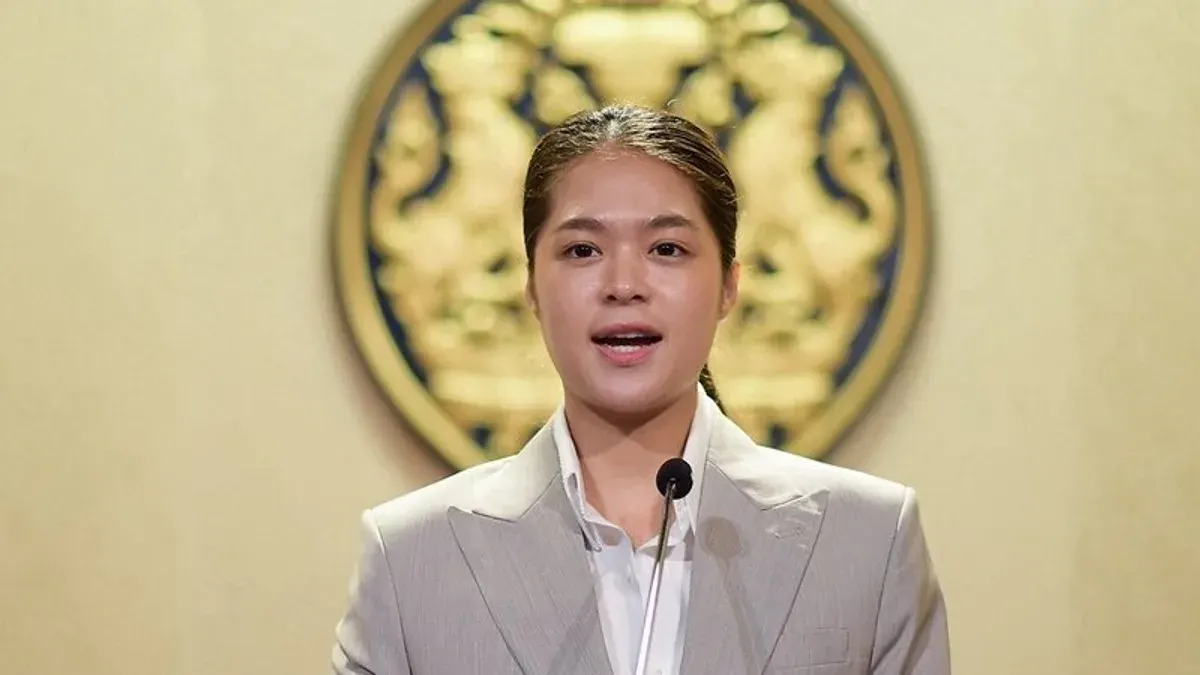
Ms. Lallida Perisriwattana, Deputy Government Spokesperson, said the Ministry of Finance proposes to proceed with the Government Housing Bank's One House per Person PLUS loan program with a budget of 50 billion baht to increase access to housing loans for low- and middle-income earners at appropriate interest rates, alongside establishing a Public Service Account (PSA) to separate state policy transactions for transparent management and oversight.
The program is an extension of measures to help those wanting a home, following the Happy Home housing loan scheme of 20 billion baht and the purchase–construction loan measure of 50 billion baht, which have attracted so much interest that the Government Housing Bank has already exhausted the full loan limits of both programs, reflecting continued demand for housing financing. The government therefore proposes to add another channel for the public to access funds to own a home.
For the program conditions, the total loan amount is set at 50 billion baht, supporting the purchase or construction of housing priced at no more than 3 million baht, with a maximum loan of 3 million baht per borrower per collateral and repayment periods of up to 40 years. This covers buying a house or condo with land, constructing a house, buying land with construction, as well as purchasing or building housing on state land under specified conditions, including loans for equipment and facilities related to habitation according to the bank's criteria.
Regarding interest rates, a special rate is proposed for the initial period, based on the borrower's income criteria — both groups receiving relaxed income and cost‑of‑living thresholds and those using standard income thresholds — before shifting to the Government Housing Bank's best‑customer lending rate (MRR) in the subsequent period. The bank will assess repayment ability throughout the loan term, especially after the special‑rate period ends, to prevent over‑indebtedness.
According to the proposal, the Ministry of Finance sets the loan application period to start the day after the Cabinet approves the measure and continue until 30 December 2030, or until the full loan amount is disbursed. The Government Housing Bank may adjust the program duration as appropriate and will not request additional compensation budget from the government.
The PSA separation will help isolate the outcomes of state policy from the bank’s commercial transactions, enabling clear tracking, review, and evaluation. The National Economic and Social Development Council and the Bank of Thailand have provided observations on risk management, debt‑service capacity assessment, and strict adherence to housing loan regulations.
The Ministry of Finance expects the program to stimulate the real‑estate sector and related businesses — construction, building materials, employment, and consumption — generating roughly 125 billion baht in economic circulation.
Ms. Lallida said the government aims to increase opportunities for people to own a home while ensuring repayment burdens do not exceed capacity. Housing loans not only create family stability but also spur investment, employment, and the national economy, carried out prudently without adding to the state’s compensation burden.