7 Causes of Styes and Simple Home Treatments
The user wants a short summary of the article about styes (hordeolum) - causes and home treatments. Constraints: - English only. - 1-2 sentences. - 120-220 characters, max 240. - Factual, plain English. - Lead with what happened (the main t
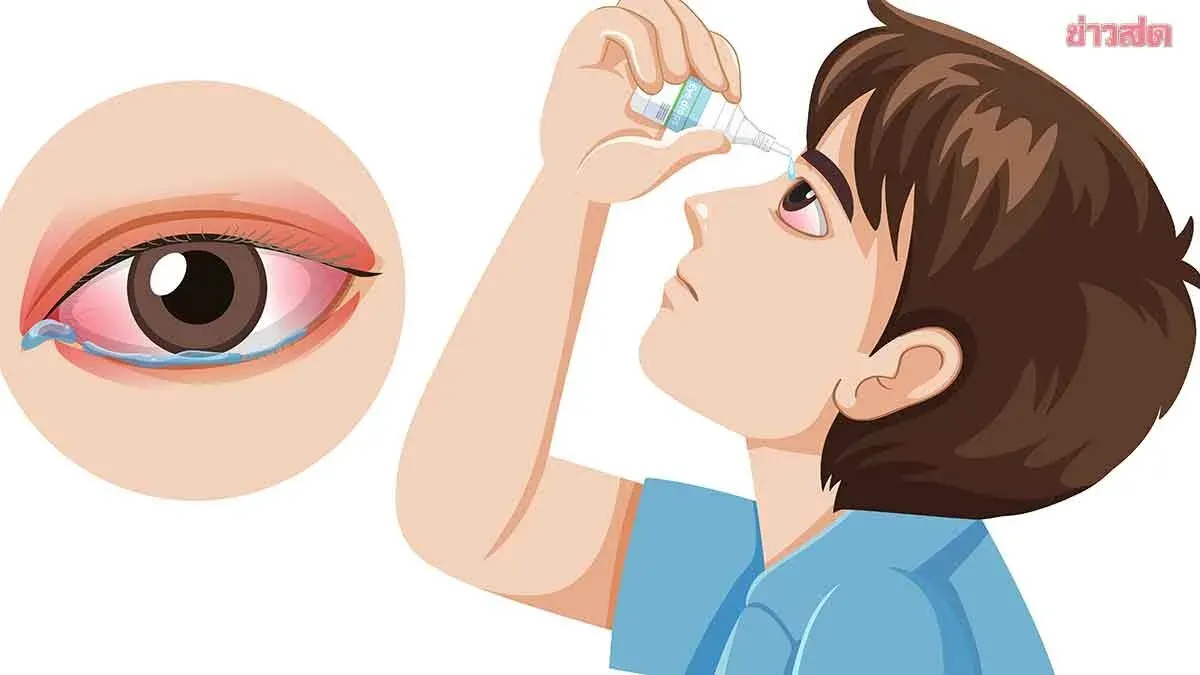
Many people believe styes result from bad luck or the old superstition of peeping at someone bathing, but the real cause is bacteria entering blocked oil glands at the eyelid margin, usually due to daily habits. A stye (hordeolum) is an inflammation of the eyelid's oil glands caused by blockage combined with bacterial infection. Key risk behaviors include rubbing eyes with dirty hands, failing to remove makeup thoroughly, and periods of insufficient rest that lower immunity.
Clear symptoms include a swollen, red, tender eyelid with a palpable lump (sometimes hidden inside the lid), a visible white or yellow pus point, and persistent irritation as if something is in the eye.
Seven main causes of styes: 1. Bacterial infection from touching eyes with unclean hands or unconsciously rubbing them. 2. Dust and debris clogging hair follicles. 3. Blocked oil glands unable to drain properly. 4. Incomplete makeup removal leaving residue. 5. Recurrence in those who have had styes before. 6. Wearing irritating contact lenses or exceeding their recommended lifespan. 7. Weakened immunity making the body more susceptible to dirt and bacteria.
Styes often resolve on their own. Typically, after swelling and pus formation in 4-5 days, the pus may rupture, shrink, and heal within 7-10 days without medication or a doctor visit.
Basic home treatment: Apply a clean cloth soaked in warm water to the stye for 10-15 minutes per session, 4-5 times daily, combined with gentle eyelid massage to help drain pus and blocked oil. If pus does not drain completely or the wound stays dirty, reinfection can occur, so hygiene is crucial.
Sources: Bangkok Eye Hospital, Nava Nakorn Hospital, MedPark Hospital.