Abhisit Warns US Trade Deal Sacrifices Thai Farmers for Minimal Gains
Former Prime Minister Abhisit Vejjajiva warned parliament that Thailand's proposed trade deal with the United States would eliminate all tariffs on US imports, open agricultural markets worth over 80 billion baht, and accept US standards on pork, medical devices, and digital services — while receiving only an uncertain 2.5% tariff reduction in return. He criticized the government for lacking clarity on whether the deal is finalized and questioned why the prime minister did not object during the US president's announcement.
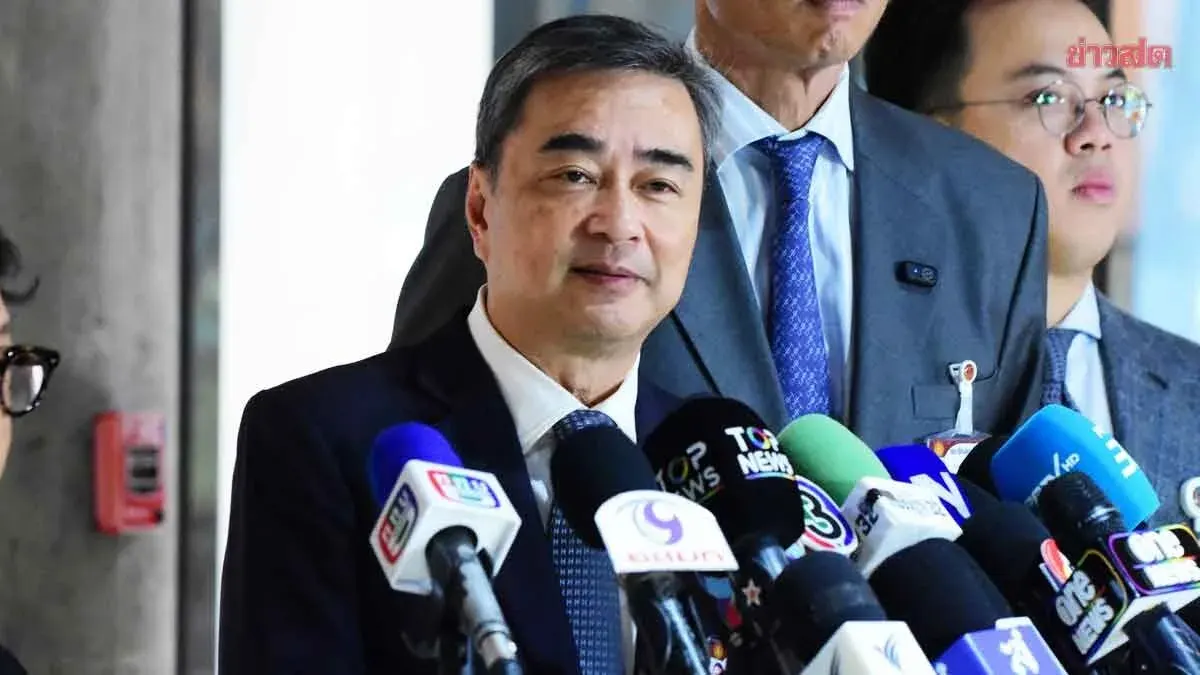
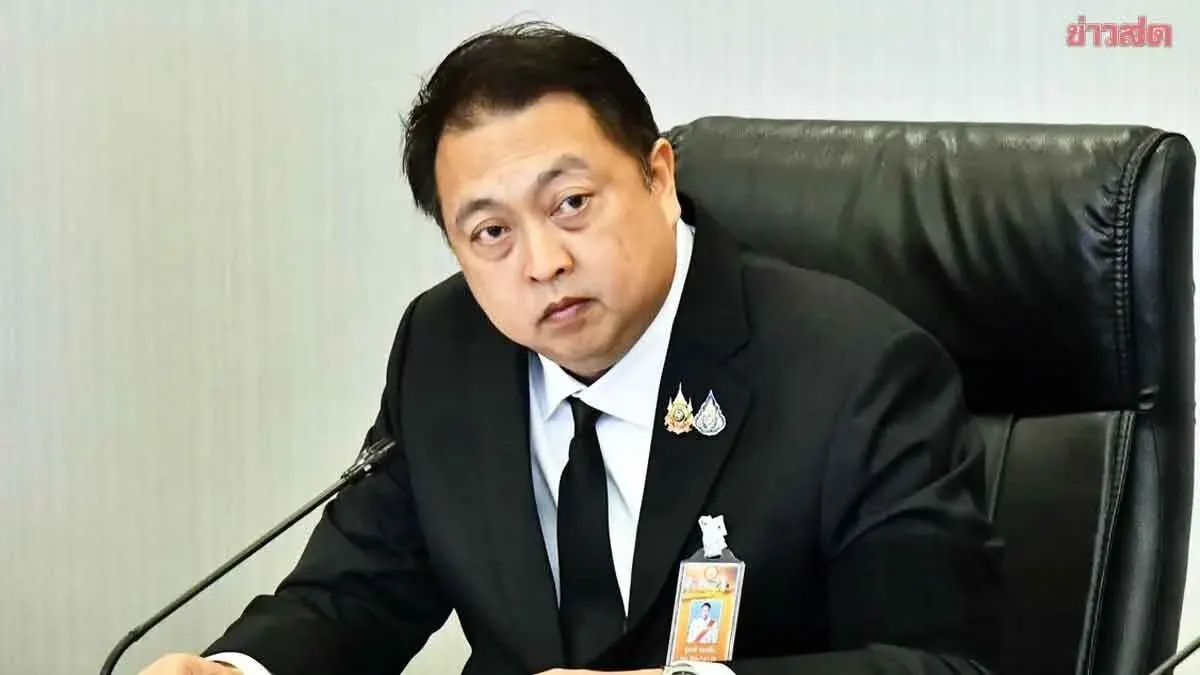
Former Prime Minister Abhisit Vejjajiva, a Democrat Party list MP and party leader, addressed parliament at 12:15 PM on November 19, 2026, raising serious concerns about the trade negotiations underway between Thailand and the United States. He explained that his concern stems from hearing the US president describe an agreement that would benefit the United States, complete with concrete figures and formal structure. The Thai side, however, has been unclear about whether what the US president described is already a done deal. The minister who answered questions in parliament today claimed it was only a broad signing, but Abhisit asked: if it is not yet an agreement, why did the Thai prime minister, sitting right next to the US president, not intervene or express any reservation to show Thailand does not accept it?
Abhisit said a closer look at the US president's remarks reveals massive impacts on the Thai economy and Thai businesses, especially farmers. The US president stated clearly that Thailand would eliminate all import tariffs on goods from the United States — effectively zero percent, with no product categories reserved. Additionally, Thailand must open its agricultural market, valued at $2.6 billion per year (roughly 70-80 billion baht), and the foreign minister acknowledged this covers chicken, pork, corn, soybeans, and more — meaning the Thai market must absorb over 80 billion baht annually in products that directly compete with what Thai farmers currently produce.
Abhisit noted there is also a requirement for Thailand to accept US product standards, a longstanding demand particularly regarding pork, which Thailand has blocked on health grounds. The US wants this removed, and it appears Thailand has agreed. In public health, inspection standards for drugs and medical devices would shift to accepting only US certification, a change with substantial financial impact. On technology and digital services, Thailand reportedly agreed not to tax any digital service business, a concession of enormous value affecting a vast number of Thais. So what does Thailand get in return?
Abhisit said there is no sign of any increased opportunities for Thailand, except talk that the US would lower tariffs from 12.5% to 10%. He questioned whether the 12.5% rate is even related to trade negotiations, noting it stems from US domestic labor law, so there is no guarantee the reduction would be permanent. He asked how the described impacts could possibly be worth a mere 2.5% tariff cut, especially since the government tries to frame it as avoiding a 19% rate — a rate already struck down by a US court. Abhisit observed that since that court ruling, almost no country has rushed into such deals; the only two that have are nations that already give the US near-total market access. Regional countries that previously made deals with the US all did so on better terms.