Agriculture Ministry Deploys Task Force to Test Chiang Rai Rivers
Thailand's Agriculture Ministry has launched a joint task force to test soil, water, and crops along the Kok and Sai rivers in Chiang Rai for heavy metal contamination. While previous tests found rice within safety limits, renewed public concern prompted comprehensive sampling across multiple river systems, with results expected in one to two weeks. If contamination is confirmed, authorities will implement color-coded risk zones, promote non-food crops in affected areas, and coordinate long-term solutions with multiple ministries and international partners including the FAO.
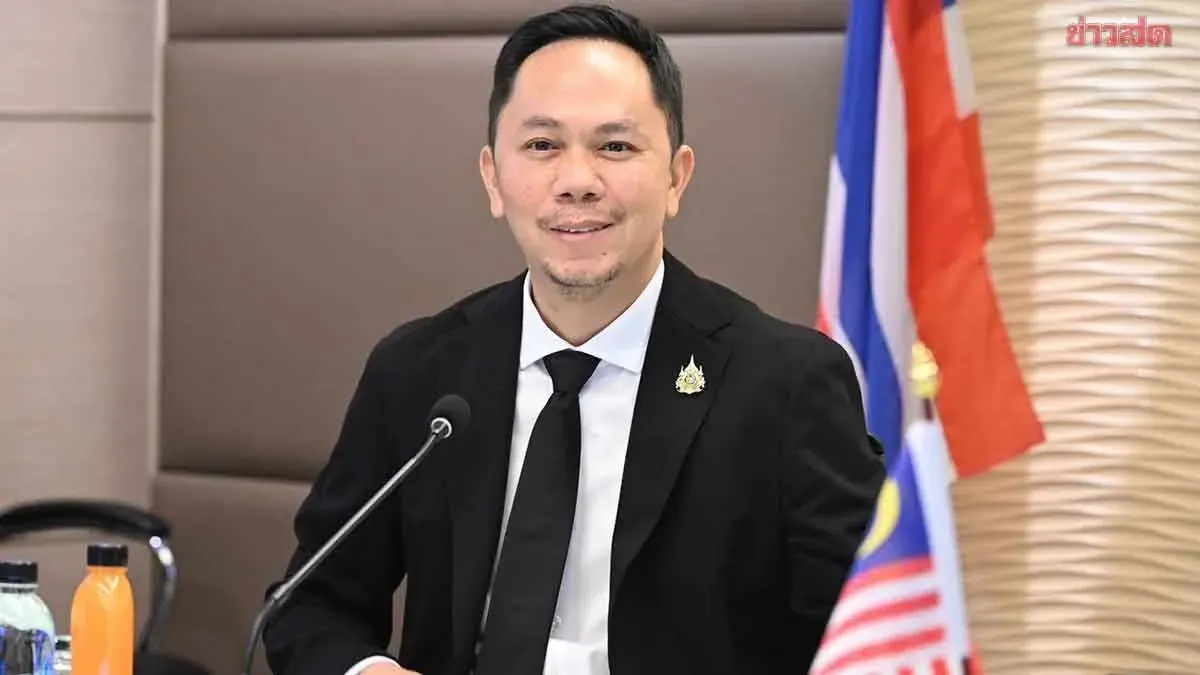
Deputy Agriculture Minister Saravuth Nueangjamnong revealed the ministry's surveillance and response strategy for toxic contamination in the Kok and Sai rivers in Chiang Rai. The Agriculture Ministry has closely tracked the situation since 2025, analyzing heavy metals in agricultural products, particularly rice. Past tests found no heavy metals exceeding standards, and strict safety controls exist from both domestic and trading partner agencies.
However, recent contamination incidents have raised public concern over agricultural product safety in the area, potentially affecting consumer confidence, foreign trade partners, and national food security. The ministry is accelerating fact-finding to assess risks and establish systematic measures.
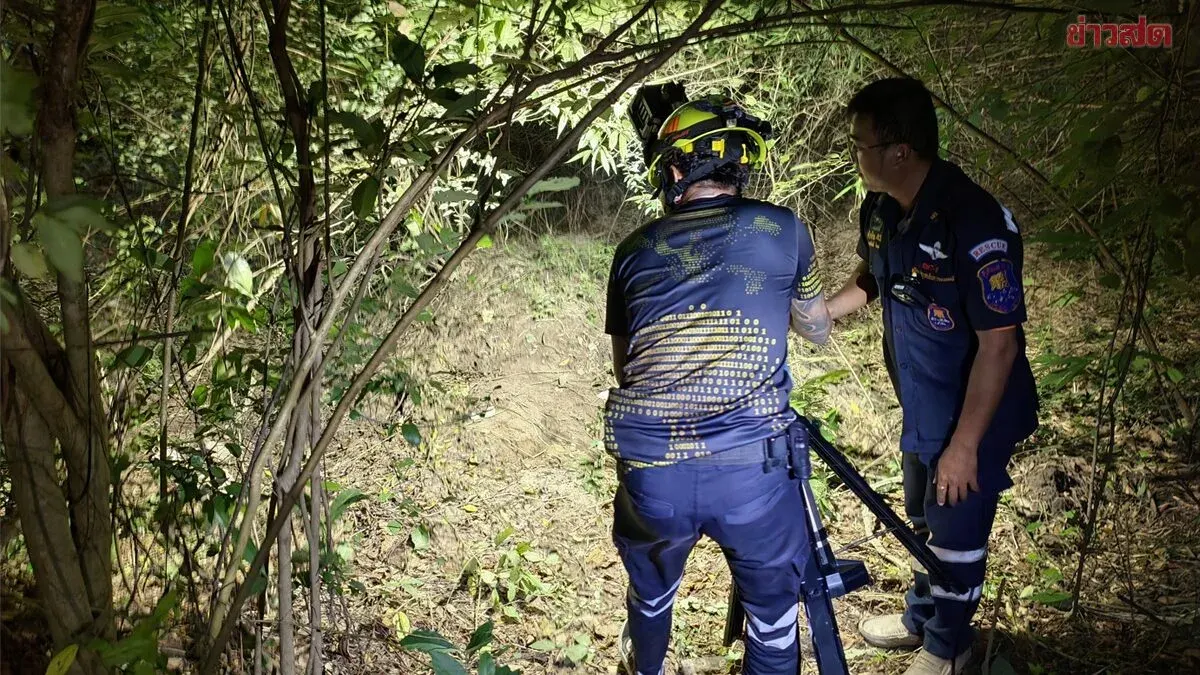
Saravuth stated a joint task force has been formed from affiliated departments — Land Development, Rice, Agricultural Extension, Irrigation, Livestock, and Fisheries — to systematically collect soil, water, and agricultural product samples from the Kok, Sai, and Ruak rivers and their tributaries. Fieldwork is expected to finish within a week, with samples sent to three central laboratories (Rice, Land Development, and Agricultural Extension) for analysis of five target heavy metals. Results are anticipated within one to two weeks to inform science-based measures.
If contamination is detected, the ministry will implement risk-based area management using red, yellow, and green zones to prevent heavy metals from entering the food chain. This may include encouraging farmers in high-risk areas to switch to non-food crops, alongside soil improvements to immobilize heavy metals and reduce crop uptake. Regarding compensation, if widespread impact is confirmed, the ministry stands ready to coordinate with the government for budget allocation.
For long-term resolution, the government has elevated efforts to policy level and inter-agency cooperation, integrating the Ministries of Interior, Public Health, Natural Resources and Environment, Agriculture, Foreign Affairs, Industry, and Higher Education, Science, Research and Innovation. Coordination with the UN Food and Agriculture Organization (FAO) will drive cooperation with neighboring countries to address the problem at its source, reduce contamination risks, and build confidence in Thai agricultural products for both domestic and international markets.