AIS Hosts E-Waste Funeral Ceremony at Bangkok Flagship Store
打破环保倡导常规:AIS 举办“逝者行善”创意告别仪式,将 AIS SIAM 打造为电子垃圾回收艺术空间 【曼谷,2026年11月23日】 —— 近期泰国多地频发的环境污染事件,再次敲响了废弃物不当处置以及有害物质威胁社区生态的警钟。负责任的废弃物管理必须从源头抓起,但电子垃圾(E-Waste)尽管含有多种高危重金属与有害物质,却往往在日常生活中被人们忽视。 为鼓励泰国家庭规范处置电子垃圾,泰国领先的智能数字基础设施服务商 AIS 于 2026年11月20日 晚间营业结束后,将位于曼谷核心商圈的 AIS SIAM 旗舰店改造成一座别具一格的电子垃圾环保认知与回收空间。作为“泰国人拒绝电子垃圾”(Thais Say No to E-Waste)项目的重磅延展,本次名为 “LET THE DEAD DO GOOD”(逝者行善) 的主题活动,旨在为闲置的旧电子设备举办一场庄重而富有意义的最终告别,通过正规回收让它们的“谢幕”转化为守护地球的最后一件善举。 创意叙事:以泰式传统葬礼为灵感,唤醒环保共情 本次特展巧妙汲取了泰国传统葬礼文化的灵感,现场设有纪念仪式以及“电子垃圾灵柩巡游”,展出了从旧手机到曾记录珍贵回忆的相机等各类承载情感的废旧设备,并随后举行了具有象征意义的电子垃圾火化仪式。 通过这种极具视觉冲击力与文化共鸣的沉浸式体验,AIS 直观揭示了随意丢弃电子垃圾的潜在危害,倡导民众将家中闲置的旧设备带到全国 AIS 门店及合作回收点进行专业处理,赋予废旧科技产品体面且环保的终点。 深度洞察:打破“抽屉囤积”与情感依恋的回收壁垒 自 2019 年启动“泰国人拒绝电子垃圾”项目以来,AIS 持续致力于提升公众的电子垃圾规范处理意识。“LET THE DEAD DO GOOD”活动正是源于对日常消费心理的深刻洞察:为何人们可以毫不犹豫地丢弃破损的镜子、梳子等日常用品,却任由坏掉的手机、故障耳机和闲置充电线在抽屉里沉睡多年? 项目组在 2026 年针对 100 名泰国受访者开展的调研揭示了背后的三大阻碍: 认知缺失:超过 70% 的受访者缺乏正确处理电子垃圾的相关知识。 渠道与风险盲区:超过 50% 的人不知道该去哪里投放电子垃圾,且不了解家中囤积报废设备的潜在危害。 情感依恋:在尚未处理电子垃圾的受访者中,超过 60% 的人表示对旧设备怀有情感依恋,难以割舍。 […]
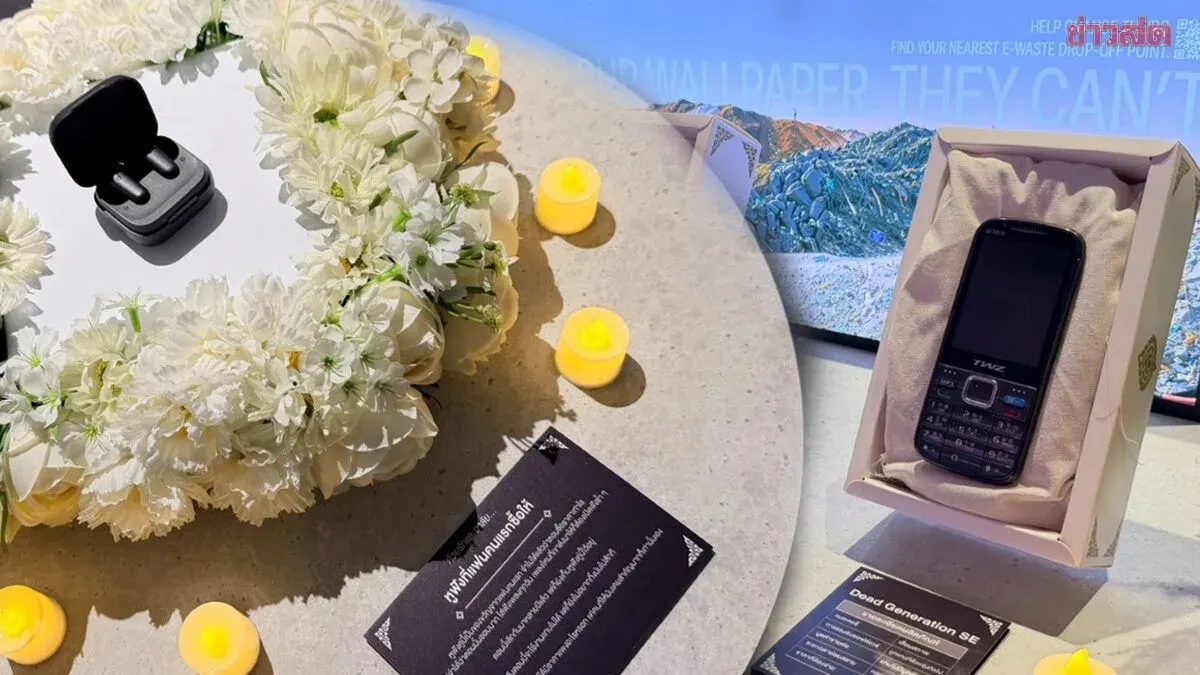
Recent environmental pollution incidents across Thailand have sounded the alarm on improper waste disposal and the threat of hazardous substances to community ecosystems. Responsible waste management must start at the source, yet e-waste — despite containing numerous hazardous heavy metals and toxic substances — is often overlooked in daily life.
To encourage Thai households to properly dispose of e-waste, Thailand's leading intelligent digital infrastructure service provider AIS transformed its AIS SIAM flagship store in Bangkok's core commercial district into a unique e-waste awareness and recycling space after business hours on November 20, 2026. As a major extension of the "Thais Say No to E-Waste" project, this "LET THE DEAD DO GOOD" themed event aimed to hold a solemn and meaningful final farewell for idle old electronic devices, turning their "exit" into a final act of protecting the planet through proper recycling.
Creative Narrative: Inspired by Traditional Thai Funerals to Awaken Environmental Empathy The exhibition cleverly drew inspiration from traditional Thai funeral culture. The venue featured a memorial ceremony and an "E-Waste Coffin Procession," displaying various emotionally significant discarded devices from old phones to cameras that once recorded precious memories, followed by a symbolic e-waste cremation ceremony. Through this immersive experience with strong visual impact and cultural resonance, AIS vividly revealed the potential dangers of casually discarding e-waste, urging the public to bring idle old devices from home to AIS stores and partner collection points nationwide for professional processing, giving discarded tech products a dignified and eco-friendly endpoint.
Deep Insight: Breaking the Barriers of "Drawer Hoarding" and Emotional Attachment to Recycling Since launching the "Thais Say No to E-Waste" project in 2019, AIS has continued to raise public awareness of proper e-waste disposal. The "LET THE DEAD DO GOOD" event stemmed from a profound insight into daily consumer psychology: why can people discard broken mirrors, combs, and other daily items without hesitation, yet let broken phones, faulty headphones, and idle charging cables sleep in drawers for years? A 2026 survey of 100 Thai respondents by the project team revealed three major obstacles: Knowledge Gap: Over 70% of respondents lacked knowledge on proper e-waste handling. Channel and Risk Blind Spots: Over 50% didn't know where to dispose of e-waste and were unaware of the potential hazards of hoarding defunct devices at home. Emotional Attachment: Among respondents who hadn't disposed of e-waste, over 60% expressed emotional attachment to old devices, finding it hard to let go.
The survey showed that knowledge dissemination, recycling trust, and emotional closure together determine whether the public is willing to send e-waste for proper disposal. Some electronic devices contain harmful substances such as lead, cadmium, and mercury; if landfilled with regular waste or dismantled informally, toxic substances will leach into soil and water sources, causing irreversible long-term damage to human health and the ecological environment. According to Thailand's Pollution Control Department (PCD), Thailand generates approximately 700,000 tonnes of e-waste annually, but less than 1% enters formal processing channels. Small daily devices like phones, headphones, and charging cables are easily forgotten at home or mixed into household waste once broken, becoming a major pain point in the recycling system.
Full-Chain Interaction: From Retail Screen Reflection to Professional Repair and "Death Certificates" The "LET THE DEAD DO GOOD" campaign officially kicked off at AIS SIAM on October 14, 2026 (International E-Waste Day), with the first phase centered on the concept "New Tech to Dead Tech." After daily closing hours, the store's giant screens — normally showcasing the latest smartphones — switched to displaying scrapped phones and damaged electronic devices, transforming the commercial retail space into an environmental medium that provokes public reflection. The event also launched themed wallpapers designed with environmental pollution news materials, guiding passersby to pause and examine the serious consequences of improper waste disposal. The offline special exhibition on the evening of November 20 extended this online communication into tangible public participation. The event invited well-known tech bloggers in the mobile repair field, Houk & Bank, to professionally test participants' old devices on-site, assessing which devices still had repair and reuse value. For completely irreparable scrap devices, the organizer issued a symbolic "E-Waste Death Certificate" before officially handing them over to the on-site AIS store e-waste collection point, entering the formal eco-friendly dismantling and regeneration process.
Mobilizing All Sectors of Society to Give "Dead Tech" New Life To date, the "Thais Say No to E-Waste" project has partnered with over 280 organizations across Thailand, establishing more than 3,200 collection points and cumulatively recycling over 1.3 million e-waste items. The public can donate old phones and various scrap electronic products at AIS store collection points nationwide at any time. When we bring a new phone home, we might also spare a thought for the old phone that once accompanied us through countless precious moments. Instead of letting it gather dust in a drawer corner or discarding it to become an environmental burden, why not give it a meaningful farewell at a formal collection point? Even at the end of their life cycle, discarded electronic devices still contain valuable recyclable resources. Now is the time to bring the "dead tech" sleeping in our homes out of the drawers and give them one last chance to do good — practicing "LET THE DEAD DO GOOD" to protect our shared home's green mountains and clear waters.
About AIS Advanced Info Service Public Company Limited (AIS) is Thailand's leading intelligent digital infrastructure service provider, serving a total customer base of 53.9 million. Its business covers intelligent 5G mobile communication networks with Thailand's largest spectrum resources (1,460 MHz total, serving 47.2 million users), AIS 3BB FIBRE3 high-speed home broadband (5.4 million users), enterprise services, retail, entertainment, and digital finance. All businesses work in synergy to fully support AIS's strategic vision of transforming into a Cognitive Tech-Co, continuously empowering Thailand's digital economy prosperity and enhancing people's quality of life. For more details, visit: www.ais.th (data as of September 2026).